Sunday, February 24, 2019

PKD: Gene Therapy tRNA Research to Stop Nonsense Mutations, Strategies for Aneurysm Screening, Lab Tests by Cell Phone

Research

From EurekaAlert

Novel gene therapy approach creates new route to tackle rare, inherited diseases


Nonsense mutations are single-letter errors in the genetic code that prematurely halt the production of critical proteins. These unfinished proteins are unable to function normally, and nonsense mutations cause 10-15 percent of all inherited genetic diseases, including Duchenne muscular dystrophy, spinal muscular atrophy, cystic fibrosis and polycystic kidney disease. There is currently no cure or broadly effective treatment for these often devastating conditions that are individually rare but estimated to collectively affect up to 30 million people worldwide.

A new study, led by Christopher Ahern, PhD, at the University of Iowa Carver College of Medicine, reveals a novel approach and robust technology platform for suppressing nonsense mutations using engineered transfer RNA (tRNA) molecules. The research by Ahern, his UI colleagues, and collaborators at The Wistar Institute in Philadelphia, the Cystic Fibrosis Foundation Therapeutics Lab in Lexington, Mass., and Integrated DNA Technologies Inc. in Coralville, Iowa, shows that modified tRNAs can efficiently and accurately repair nonsense mutations with any amino acid. The findings were published Feb. 18 in Nature Communications.

"Because nonsense mutations cause a wide range of severe, life threatening diseases, there is a significant unmet medical need to efficiently repair these stop codons in people having these inherited genetic alterations," says Ahern, UI professor of molecular physiology and biophysics and a member of the Iowa Neuroscience Institute. "Our unique gene therapy approach takes advantage of the built-in fidelity of the translation process but reengineers tRNAs to turn disease-causing stop signals back into the correct amino acid. Basically, our anticodon engineered tRNA technology turns 'stops' into 'gos' and hopefully one day may be used to correct defective genetic sequences in people."

The process of turning genetic code into protein is called translation. Transfer RNAs (tRNAs) match up with the blueprint code of the messenger RNA and deliver the correct amino acid in the correct order to build the protein. The code sequences of the messenger RNA, which dictate the order of amino acids, are called codons. The matching sequence on the tRNAs are called anticodons.

At the end of every protein coding sequence there is a genetic stop signal--a stop codon--that tells the protein production machinery to halt. Nonsense mutations occur when a mistake in the genetic sequence turns an amino acid codon in the middle of the protein into a stop codon.

Ahern and his UI team, including lead study author John Lueck, PhD, who is now at the University of Rochester, systematically tested the engineered tRNA molecules for their ability to repair premature stop codons with each of the 20 natural amino acids. The high-throughput screen efficiently identified multiple potent engineered tRNAs for each amino acid and stop codon type.

To demonstrate that the approach could work in more complex and physiologically relevant systems, Ahern lab members, together with collaborators at the Cystic Fibrosis Foundation Therapeutics (CFFT) lab and the laboratory of David Weiner, PhD, at The Wistar Institute showed that the engineered tRNAs when encoded and formulated for efficient delivery are expressed at high levels and are effective at correcting nonsense mutations in living mouse muscle tissue. Interestingly, the tRNA activity persisted for weeks in the delivered forms, suggesting this sustainable gene therapy approach may have potential for being used in the clinic one day.

Importantly, the team at the CFFT lab under William Skach, MD, showed that the tRNAs were selective in their activity and did not affect normal stop codons that signal the true end of the protein sequence.

And at the UI, Ahern with postdoctoral fellows Lueck and Danny Infield, PhD, and UI professor of pediatrics and cystic fibrosis expert Paul McCray, MD, showed that the approach could correct a CF-causing nonsense mutation and accurately produce a functional CFTR protein.

"What I like about this study is that a number of different labs with different expertise all verified our engineered tRNA technology in a variety of contexts," Ahern says. "That suggests the approach is robust."

Although he is excited about the potential for anticodon engineered tRNAs to tackle diseases caused by nonsense mutations, Ahern notes there are many scientific questions to answer and technical hurdles to overcome to find out if this approach can be translated into human therapies.

"For many diseases caused by nonsense mutations, even correcting a small percent of the mutated protein could be enough to be therapeutic to the patient," Ahern says. "If this were to work as a human therapy, we would have a way to target every known stop codon disease."


Living with PKD

From Health Imaging, by Matt O'Connor

What’s the best MR angiography strategy to screen for aneurysm in patients with hereditary kidney disease?


Autosomal dominant polycystic kidney disease (ADPKD) is among the most common hereditary diseases, and is associated with complications such as intracranial aneurysm. A lack of screening guidelines prompted a group of researchers to evaluate the cost-effectiveness of various MR angiography strategies.

The results of the analysis were published online Feb. 19 in Radiology.

“There is uncertainty regarding the benefits of screening for intracranial aneurysm in patients with ADPKD owing to the lack of data from randomized, prospective clinical trials,” wrote Ajay Malhotra, of Yale School of Medicine in New Haven, Connecticut, and colleagues. “The initial age at screening, the frequency and duration of repeat screening, the use of surveillance imaging after intracranial aneurysm detection, and the utility of treatment of unruptured intracranial aneurysms in patients with ADPKD are not clearly defined.”

The authors created a Markov decision-analytic model to evaluate the costs and outcomes of five different MR angiography management strategies covering the lifespan of a patient up to 80 years old.

Overall, the best strategy is MR angiography screening every five years and annual follow-up in those with detected intracranial aneurysm. The strategy became more favorable when life expectancy is more than six years.

They also found if the rupture risk of unruptured intracranial aneurysm is between 0.015 percent and 0.35 percent, one-time MR angiography screening plus annual MR angiography follow up “may be dominant,” the authors wrote.

“Screening for intracranial aneurysms in patients with autosomal dominant polycystic kidney disease is cost-effective, and repeat screening every 5 years after a negative initial study should be considered,” the authors wrote. “Annual surveillance imaging may be optimal in patients with incidentally detected intracranial aneurysms and in the treatment of patients with growing, high-risk aneurysms.”


From CNBC, by Lori Ioannou

How an Israeli start-up turned the cellphone into a testing lab for kidney disease


An Israeli digital health start-up called Healthy.io has developed an FDA-cleared at-home smartphone urinalysis test to help people test their kidneys for proteins, a sign of damage to the organ.

Thirty million Americans have chronic kidney disease, often due to diabetes and hypertension; that's 1 in 9 adults, according to the National Kidney Foundation.

Early detection makes an enormous difference in avoiding complications from kidney disease.


Chronic kidney disease is the modern-day plague in the United States, driven in large part by the nation's obesity epidemic. According to the National Kidney Foundation, 30 million Americans have chronic kidney disease, often due to diabetes and hypertension; that's 1 in 9 adults. More than 510,000 kidney patients are now on dialysis, and over 100,000 are on the kidney transplant list.

The cost of caring for these individuals is staggering. "Medicare alone spends $114 billion annually caring for Americans with all stages of chronic kidney disease," said Kerry Willis, chief medical officer at the National Kidney Foundation. "That doesn't include the costs to the private insurance industry."

Recognizing the trend, an Israeli digital health start-up called Healthy.io has developed an FDA-cleared at-home smartphone urinalysis test to help people test their kidneys for proteins, a sign of damage to the organ. Early detection makes an enormous difference in avoiding complications from kidney disease.

Healthy.io's urinalysis test, Dip.io, uses disposable strips and cups in conjunction with a smartphone camera to read and interpret results. Patients dip a stick in a self-collected urine sample, wait for it to develop, and take a picture of it against a card using the company's app. The image is anonymized and put on the cloud for more detailed diagnostic tests.

The test has been assessed with Geisinger Health in conjunction with the National Kidney Foundation, achieving a 71 percent adherence rate among patients with hypertension who never have been tested before.

Founder and CEO Yonatan Adiri said that since Dip.io received FDA clearance last year, he has been busy marketing the technology to hospitals and health systems. The company is targeting a few major patient categories, including pregnant women, diabetics and hypertensives most at risk for kidney disease, and women who believe they may have the symptoms of UTI (urinary tract infection).

A testing lab in the palm of your hand

Adiri, the former chief technology officer to Israeli President Shimon Peres, developed a passion for health technology early in his career. He realized the smartphone as a medical tool was a niche that would grow when his father used it to transfer CT scans after his mother had an accident while traveling in China a few years ago. That helped her get diagnosed and saved her life.

"My goal is to help turn the mobile phone into the lab of today," he said. "Advances in AI and computer vision technology are making this possible."

In early February, Healthy.io raised $18 million in a Series B financing round led by Aleph, an Israeli-based venture capital fund, to support growth across its existing markets and to fund the commercial launch of the product in the United States. It also has raised funds from Samsung NEXT and private investors. That brings its total funding to $30 million.

Healthy.io's products are currently available in Israel and the U.K., where it recently inked a deal with Walgreens Boots Alliance subsidiary Boots UK to introduce consumer-focused UTI testing at the company's locations. Its efforts have been supported by a partnership with Siemens Healthineers to use the company's urinalysis reagents.

The start-up is boosted by rapidly advancing smartphone technology. Digital urinalysis is the latest example of a trend toward home diagnostics driving a surging medical technology market. The first at-home pregnancy test appeared in the late 1970s, paving the way for a home-based medical test market. More recently, the internet, IoT, smartphones and advances in areas like genetic testing have driven sharp growth in a home-testing market that will soon surpass $300 million.

Much of the marketing driving sales of at-home tests, which include cloud-based monitors that beam medical results to doctors, tout ease of use and lowered barriers to clinical-grade health maintenance. But getting people to take tests, whether in a doctor's office or at home, is tricky. In the case of kidney disease, which the Healthy.io kit can screen for, only about 6 percent of people with hypertension and 39 percent of diabetes patients undergo proper testing.

It's still too early to know if Healthy.io's technology will be a game-changer in kidney testing, but if it does, it could have a big impact on curbing health-care costs — and saving lives. "The FDA is now approving clinical algorithms and outcomes derived by using a cellphone for urine testing. That's a big step in helping to democratize health care," said Michael Eisenberg, a partner at Aleph.

Sunday, February 17, 2019

Engineering Kidneys Organoids, Need Kidney: Spread the Word

Artificial Kidneys

From MedicalXpress, by Harvard University

Engineered miniature kidneys come of age

Engineered miniature kidneys come of age


In recent years, researchers have created mini-organs known as organoids in the culture dish that contain many of the cell types and complex microarchitectures found in human organs, such as the kidney, liver, intestine, and even the brain. However, most organoids grown in vitro lack the vasculature required to provide oxygen and nutrients, remove metabolic waste, and facilitate communication between different cell types that drives their maturation into truly functional tissue building blocks.

For kidney organoids, this shortcoming prevents researchers from emulating key kidney functions in vitro, including blood filtration, reabsorption, and urine production. Creating robustly vascularized kidney organoids could enable better modeling of kidney diseases, enhance renal drug toxicity testing and, ultimately, lead to new building blocks for renal replacement therapies.

Now, a research team at the Wyss Institute for Biologically Inspired Engineering, the Harvard Paulson School of Engineering and Applied Sciences (SEAS), Brigham and Women's Hospital, and the Harvard Stem Cell Institute led by Jennifer Lewis and Ryuji Morizane has developed a powerful new approach as part of the Institute's new 3-D Organ Engineering Initiative. By exposing stem cell-derived organoids to fluidic shear stress, they were able to significantly expand organoid-derived vascular networks, and improve the maturation of kidney compartments in comparison to previous static culture methods. The work is published in Nature Methods.

In 2015, Ryuji Morizane and Joseph Bonventre developed a method that enabled them to derive 3-D kidney organoids from human pluripotent stem cells. "While our organoids and those generated in other laboratories contained large numbers of well-organized nephrons and primitive blood vessels, they still lacked pervasive vascular compartments with perfusable lumens," said co-corresponding author Morizane, M.D., Ph.D., Assistant Professor at Brigham and Women's Hospital and Harvard Medical School (HMS), and a member of the Harvard Stem Cell Institute.

More recently, researchers around the world have matured kidney organoids by implanting them into animals where they can connect to the host's vasculature in vivo. "For the first time, our study demonstrates that by exposing growing organoids to fluid flow, a mechanical cue known to play an important role for tissue development in the body, we can greatly enhance their vascularization and maturation in vitro," said Morizane.

To accomplish this feat, the team used expertise from the Lewis lab that has pioneered strategies to create vascularized human tissues, including 3-D kidney-on-chip models, using 3-D bioprinting that can be perfused and sustained for long durations. Based on these findings, they hypothesized that fluid flow could also promote the formation of blood vessels from precursor endothelial cells found in growing kidney organoids.

"We determined the right combination of underlying extracellular matrix, media additives, and fluidic shear stress under which human stem-cell derived organoids would flourish when grown in our 3-D-printed millifluidic chips," said Kimberly Homan, Ph.D., who with Navin Gupta, M.D., is a first author on the study. Gupta added that "the vascular networks form close to the epithelial structures that build the glomerular and tubular compartments, and in turn promote epithelial maturation. This integrated process works really like a two-way street." Homan is a Research Associate in Lewis' group at the Wyss Institute and SEAS, and Gupta is a Clinical Research Fellow working on Morizane's team at the Brigham.

The vessels growing on the 3-D-printed chips form an interconnected network with open lumens, which can be perfused with fluids as confirmed by directly imaging fluorescent beads moving freely through them. "We were excited to see that these vascularized glomerular and tubular structures develop through some of the same stages that nephrons experience during normal kidney development in vivo," said Homan.

"This important advance opens up new avenues for accurately testing drug toxicity in vitro in differentiated nephron compartments and modeling kidney diseases, like polycystic kidney disease, that affect specific structures and cell types using patient-derived stem cells as the starting point," said co-corresponding author Lewis, Sc.D., who is a Core Faculty member of the Wyss Institute and co-leader of its 3-D Organ Engineering Initiative. "Our method may pave the way to also vascularize other types of organoids, such as the liver organoids." Lewis is also the Hansjörg Wyss Professor of Biologically Inspired Engineering at SEAS and a member of the Harvard Stem Cell Institute.

"This study is a great example of the importance of mechanobiology and the potential power of the Wyss Institute's 3-D Organ Engineering Initiative. It provides an important cornerstone for many efforts that aim to create functional human tissues de novo for research, pharmaceutical and tissue regenerative applications," said Wyss Institute Founding Director Donald Ingber, M.D., Ph.D., who is also the Judah Folkman Professor of Vascular Biology at HMS and the Vascular Biology Program at Boston Children's Hospital, as well as Professor of Bioengineering at SEAS.


Gift of Life

From Honey Latest, Australia , By Maddison Leach

Mum donates kidney to stranger after seeing a flyer at her son’s taekwondo classss


Amanda Hayhurst never expected that her life would be changed by a flyer, but just weeks after donating her kidney to a stranger, she couldn’t be happier about it.

The mother-of-two from Georgia, USA, was picking up her eldest son from a taekwondo class late last year when she spotted a flyer telling the story of a local single mum in desperate need of a kidney transplant.

“I knew before I finished reading that we were going to be a match,” Hayhurst, 32, told Good Morning America.

“I just knew it.”

But she didn’t know Vonchelle Knight, 50, the woman who had been on the waitlist for a kidney transplant for more than eight years.

Knight suffered from Polycystic Kidney Disease since 2004, a genetic disorder that slowly reduces kidney function and can eventually lead to kidney failure, as well as causing other complications such as high blood pressure when left untreated.

One of Knight’s daughters had posted the flyer as part of an ongoing effort to help find her mother a donor after years of waiting and unsuccessful matches.

Since 2013 Knight has had to spend nine hours each day on dialysis, hooked up the machine as she slept, and suffered constant fatigue and cramps.

Hayhurst knew none of this however, in fact the only thing she knew about Knight was that she was a single mother-of-two who needed a kidney – but for Hayhurst that was enough.

“If not me, who?” Hayhurst said of her decision, “She is on this list and none of her friends and family are a match.”

The young mum immediately began undergoing tests to see if she would be a suitable match, telling no one but her husband Marcus what she was planning, and in December of 2018 she was approved to be a living kidney donor for Knight.

She contacted Courtney Knight, the daughter who had posted the flyer, and the two went to Knight’s home to tell her the news.

“I knew God was telling me he had a blessing for me and it was going to be big,” Knight said of the years spent waiting for a donor.

“He just told me to be still and quiet and in time it would be revealed, then Amanda showed up and it was one of the greatest moments.”

“We cried for like two hours and just talked,” Hayhurst recalled of the moments after she first met Knight and told her they were a match.

“We talked and cried and I held her. It was just really sweet.”

The two women spent the next month bonding, even bringing their families together to celebrate Christmas, and successfully underwent surgery on 25 January.

“Having a baby for me was harder than this,” Hayhurst said, adding that after surgery she only felt minor abdominal pain and was released from hospital the following day.

Now she wants to spread awareness of living kidney donation and encourage more healthy young people like her to consider ‘sharing their spare’.

She’s shared the stories of countless other people in the US searching for kidney donors on her Facebook page, and even started Find Your Kidney Donor, a page dedicated to helping find donors for more people living with kidney disease.

“I feel like more people need to know more about it,” she said of living kidney donation.

In Australia living donations make up around a third of all kidney donations, and donors don’t need to be related to or even know the recipient.

Most physically healthy people are eligible to donate after undergoing testing, and donors can give their kidneys anonymously to a recipient on the transplant waitlist.

Sunday, February 3, 2019

PKD Research: Macrophages, Exome Sequencing; PKD Foundation: Detroit; Flu Danger to Kidney Patients; PKD & Pregnancy

PKD Research

From Eureka Alert

Kidney-resident macrophages -- a role for healing during acute kidney injury?

UNIVERSITY OF ALABAMA AT BIRMINGHAM

BIRMINGHAM, Ala. - During development in the womb, immune cells called macrophages go to the kidneys, and they remain there for life. Understanding the possible healing role for these macrophages after kidney damage may be crucial to helping treat patients who suffer acute kidney injury.

Acute kidney injury, or AKI, is a devastating condition that develops in two-thirds of critically ill patients, and patients with AKI have a 60 percent risk of dying. In AKI, kidneys can become scarred and can show progressive decline in function, becoming unable to heal their tissue.

In a JCI Insight study published today, University of Alabama at Birmingham researchers have found that, during AKI in a mouse model, the kidney-resident macrophages are reprogrammed to a developmental state, resembling these same cells when they are found in newborn mice. Newborn mouse kidneys are still developing. This reprogramming during AKI may be important to promote healing and tissue regeneration. If a similar developmental shift is seen for human kidney-resident macrophages during AKI, that could aid new therapeutic approaches for patients.

The experimental challenge in this study was distinguishing the kidney-resident macrophages from the many cells that invade the kidney from blood circulation in response to kidney damage. Some of these invading cell types can differentiate into macrophages and dendritic cells in the kidney, and it was unknown whether some of the invaders become kidney-resident macrophages.

The UAB researchers used parabiosis -- the linking of the blood circulatory systems between two mice -- to reveal whether the kidney-resident macrophages after AKI were from invading precursors or from renewal by existing kidney-resident macrophages in the kidney.

In the parabiosis experiments, two mice shared blood circulation for four weeks, and then one underwent ischemia/reperfusion-induced AKI. Because the immune cells of the two mice have different surface markers that identify which mouse they come from, researchers could follow the invasion of the AKI kidneys by circulating immune cells from the healthy mouse. They found that the infiltrating cells contributed only minimally to the kidney-resident macrophage cell pool in the damaged kidneys.

Thus, after kidney injury, the kidney-resident macrophages are a distinct cellular subpopulation that does not differentiate from nonresident, infiltrating, precursor immune cells.

Researchers, led by co-senior authors Anupam Agarwal, M.D., director of the Division of Nephrology in the UAB Department of Medicine, and James George, Ph.D., professor in the UAB Department of Surgery, detailed how the kidney-resident macrophages are reprogrammed to a developmental state after injury. In response to the disease model, the kidney-resident macrophages turned off their expression of major histocompatibility complex type II, or MHCII. This lack of expression is similar to kidney-resident macrophages in newborn mice -- those mice, the researchers showed, lack expression of this protein up to postnatal day seven, and then begin to express it over the next two weeks. Notably, MHCII protein and macrophages have important roles in autoimmunity and transplant rejection.

In addition, kidney-resident macrophages after AKI underwent transcriptional reprogramming to express a gene profile closely resembling that of the kidney-resident macrophages in newborn mice at postnatal day seven. Further supporting their role in development and healing, the reprogrammed kidney-resident macrophages were enriched in Wnt signaling, an active pathway that is vital for mouse and human kidney development.

Co-first authors of the JCI Insight study, "Resident macrophages reprogram toward a developmental state after acute kidney injury," are Jeremie M. Lever and Travis D. Hull, M.D., Ph.D., who are trainees from the NIH-funded UAB Medical Scientist Training Program, an M.D., Ph.D. program.

"Macrophage biology has reached a pivotal point," said Lever, a UAB graduate student and NIH F31 individual fellow. Many basic science research studies have suggested the importance for tissue-resident macrophages in healing after injury, but development of therapies promoting them is still in early stages, Lever says. "In order to successfully utilize these cells for contemporary translational interventions, I believe we will need to be specific about the origin -- tissue-resident versus infiltrative -- of the cells we plan to target."

Hull, now a surgery resident at Massachusetts General Hospital in Boston, said, "This work demonstrates that tissue resident macrophages possess the same plasticity that has been demonstrated in other immunological cell types. Moreover, this ability to reprogram to an early ontological phenotype is a potential avenue for therapeutic intervention, if the cellular signals and mechanisms of this reprogramming can be fully elucidated.

"This is an exciting development in the field of acute kidney injury," Hull said, "but also may represent a therapeutic target in fields such as transplantation, where the importance of macrophage biology is less well understood."

This work was supported by National Institute of Diabetes and Digestive and Kidney Diseases grants DK59600, DK115752, DK097423, DK115169, DK116672 and DK103931, and also the core resource of the UAB-UCSD O'Brien Center for AKI Research, DK079337. Additional support came from the Office of Research and Development, Medical Research Service, Department of Veterans Affairs grant BX00229; the Polycystic Kidney Disease Research Foundation grant 214G16A; the UAB School of Medicine AMC21; and the UAB Medical Scientist Training Program grant GM008361.


From Renal and Urology News

Exome Sequencing Opens a New Chapter in CKD

A recent article in The New England Journal of Medicine titled “Diagnostic Utility of Exome Sequencing for Kidney Disease” offers us unique insights into the future diagnostic evaluation of chronic kidney disease (CKD). The most important takeaways from the article by Groopman etal. are that nearly 1 in 10 patients with CKD have a genetic cause of kidney disease, which often is undiagnosed, and that whole exome sequencing can be helpful in making these diagnoses.

The investigators undertook whole exome sequencing of 3315 individuals with CKD. In whole exome sequencing, the nucleotide sequence of the human genome that codes for proteins (exons) is determined. Results were compared with exome sequences of thousands of healthy individuals to determine genetic differences. The investigators focused attention on genes that were expressed in the kidney and were likely to be relevant to kidney pathology.

The study found that 307 patients (9.3%) suffered from a monogenic disorder as the cause of kidney disease, with 66 different genetic conditions identified. As one would expect, autosomal dominant polycystic kidney disease was the most common cause, with 97 individuals affected (accounting for 2.9% of cases of kidney disease and 31% of cases with inherited kidney disease). The next most common causes of inherited kidney disease were mutations in the COL4A3, COL4A4, and COL4A5 genes, found in 91 individuals (30% of inherited kidney disease). Importantly, 39 of the 66 genetic disorders identified were each found in only a single individual. Uncommon genetic disorders included mutations in the gene encoding hepatocyte nuclear factor-1 beta and branchio-oto-renal syndrome.

These results point to a future when whole exome sequencing will be the method of choice for identifying genetic causes of CKD. Instead of targeted gene analysis (for example, in Alport syndrome or polycystic kidney disease), clinicians will screen the whole genome at once. Study findings should encourage nephrologists to take a more thorough family history and give greater consideration to inherited kidney diseases in the differential diagnosis. Nephrologists should more actively pursue a genetic diagnosis, especially when multiple family members have CKD.

Although many of the inherited kidney diseases are not currently treatable, a proper genetic diagnosis will provide families with the cause of CKD, avoid unnecessary kidney biopsies that may not be diagnostic, and allow for screening of family members as potential kidney donors. This year, let us resolve to think more not just about our own families, but the families we see with kidney disease.


Living with PKD

From US News & World Report, By Elaine K. Howley, Contributor

My Baby Was Born Too Early. Now What?


WHEN MARTHA WILLIAMS' daughter Avery arrived seven years ago, she was so tiny that her father's wedding band could easily slide onto her forearm, all the way up near the elbow. Avery had been born nearly three months too soon, and her first weeks of life were a challenging time for her family.

Williams was 33 years old at the time, and Avery was her first child. An avid marathon runner living near St. Louis, Missouri, Williams says the first 23 weeks of the pregnancy went smoothly. But she has a chronic condition called polycystic kidney disease that causes high blood pressure, among other problems. At the 25-week appointment, Williams' feet were swollen, her blood pressure had spiked and Avery hadn't grown as much as she should have. Williams' doctor was alarmed and wouldn't let her leave the hospital, consigning her to bedrest in hopes that would delay Avery's birth. "I only made it a week," Williams says, before the situation became dangerous and Avery needed to make her own way into the world.

"Those first few days were really critical," Williams says. "She almost died the second night," but Avery hung in there, a turn of events Williams characterizes as "a huge answer to prayers. We don't know what happened and the doctors couldn't explain it," she says. There were other scares during Avery's 128 days in the hospital, and Williams says keeping a positive attitude during the roller-coaster ordeal was important.

Avery's dramatic entry to the world is not as uncommon as one might hope. The Centers for Disease Control and Prevention reports that preterm birth – which is defined as a birth prior to 37 weeks – affected about 1 in 10 infants born in the United States in 2016. While human gestation typically lasts 40 weeks, babies born between 37 and 40 weeks are considered full-term births. Babies who arrive prior to 37 weeks' gestation are referred to as preterm deliveries, premature births or preemies.

Babies born at 28 weeks or less gestation are considered extremely preterm and their survival is far from guaranteed. Dr. Daniel F. Roshan, a high-risk maternal-fetal obstetrician-gynecologist at Rosh Maternal & Fetal Medicine in New York City and clinical assistant professor in the department of obstetrics and gynecology at NYU Langone Health, says that while "neonatology science has improved tremendously and these days, many more very early preterm babies are surviving," there's a lot of development that still needs to occur in babies born extremely preterm, and that brings opportunity for complications.

He says that survival rates vary by hospital, but prior to 23 weeks, it's virtually impossible for a baby to survive outside the womb. Each additional week spent in utero corresponds to a higher chance of survival. "At 28 weeks, 90 percent of babies survive. At 31 weeks, 99 percent survive," Roshan says.

Over the course of a normal pregnancy, the fetus undergoes a staggering amount of growth and development within the mother's womb, and every day longer inside the mother's body is usually considered a good thing in terms of giving the baby a chance to thrive in the outside world. However, there are times when, for the health of the mother or the baby, the baby is born earlier than would be considered ideal.

Most full-term babies measure between 19 and 21 inches long and weigh about 5 to 9 pounds, but a preterm infant is much smaller. Babies born at 27 weeks are only about 14.4 inches long and typically weigh just under 2 pounds. By 37 weeks, a baby has usually reached more than 19 inches long and usually weighs over 6 pounds, so a lot of growth and development occurs during that 10 weeks of gestation.

What Causes Preterm Births?

Dr. Jose Perez, medical director of neonatology and perinatal medicine at Orlando Health Winnie Palmer Hospital for Women & Babies, says chorioamnionitis, a bacterial infection within the amniotic sac, is one reason why some women will deliver a baby too soon, and this typically causes a very early delivery. Another cause is related to a structural issue in the cervix, called incompetent cervix, in which "the mom's cervix is not structurally long enough" to accommodate the growing baby.

Roshan notes that some in some women, the cervix doesn't "grow or expand the right way," making it difficult for the pregnancy to continue. Some women also have structural issues with the uterus that make carrying a baby to term challenging. The placenta can also separate too early, meaning that the baby isn't being fed properly. Genetic disorders can trigger very early preterm births in some women.

Later in the pregnancy, a common reason babies arrive prior to their due date is because of high blood pressure in the mother, a dangerous condition called preeclampsia. Sometimes, "we need to deliver the baby early for the mom's own health," Perez says.

Preterm labor is also associated with multiple births, an increasingly common occurrence these days in the age of in vitro fertilization. Perez says twins can typically be carried "pretty close to term," but "triplets for sure won't and septuplets won't get close to term. Every multiple makes it harder for that to happen."

Who's at Risk of Premature Delivery?

While it's difficult to predict who's most likely to deliver a baby too early, some women seem more likely to deliver preterm, specifically teenagers and those over the age of 35. The CDC also reports that black women have a higher rate of preterm births than white women – 14 percent versus 9 percent. Roshan says women with a history of delivering prematurely may be more likely to deliver a second baby preterm and should seek the support of a high-risk OB-GYN to make sure the pregnancy is progressing properly. Women who have chronic conditions such as diabetes, high blood pressure and autoimmune disorders may also be at higher-risk of delivering preterm.

The CDC reports that "in most cases, preterm labor (labor that happens too soon, before 37 weeks of pregnancy) begins unexpectedly and the cause is unknown." Signs that you might be going into labor are:

Contractions or cramps – powerful muscle movements in the abdomen that occur every 10 minutes or more often, or cramping that feels like a menstrual period
A change in vaginal discharge – either a large amount of fluid or blood coming from the vagina
Pressure in the pelvis or a backache.

Any of these signs should send you immediately to the hospital or your OB-GYN's office for evaluation. Perez says you should also seek help if you develop any of the signs of preeclampsia, which are similar to those of high blood pressure: bad headache, blurred vision, nausea or vomiting, swelling in the extremities, reduced or no urine output or rapid weight gain, which may be associated with fluid retention.

How Can I Reduce My Chances of a Preterm Delivery?

Being prepared for a preterm birth should be part of your routine prenatal care program. "Preparation for preterm birth starts before the baby arrives," Perez says. Your OB-GYN will run certain tests to assess your risk of delivering preterm, and if you are at risk, a team can be assembled to address that need.

Read more


From Healthy Day

Flu May Be a Factor in Many Kidney Failure Deaths

Seasonal flu and other respiratory infections may be especially dangerous for kidney failure patients, researchers say.

A new study found that influenza-like illnesses likely contribute to more than 1,000 deaths among kidney failure patients in the United States each year. These illnesses include potentially serious respiratory tract infections caused by flu and other viruses.

According to the study authors, death rates among kidney failure patients are high, and have seasonal fluctuations. In addition, they noted that influenza-like illnesses disproportionately affect vulnerable people, such as those with end-stage kidney disease, and peak during colder months.

The degree to which these flu-like illnesses contribute to death in kidney failure patients is unclear, so the researchers decided to investigate the link.

For the study, David Gilbertson, co-director of the Chronic Disease Research Group at Hennepin Healthcare Research Institute in Minneapolis, and his colleagues reviewed 14 years of federal data.

The team analyzed the data to determine influenza-like illness and kidney failure death rates in each quarter of the year. Flu season occurs in the fourth quarter (Q4) of each year and the first quarter (Q1) of the following year.

In Q4, a 1 percent increase in flu-like illnesses was associated with a 1.5 percent rise in deaths among patients with kidney failure, compared to the average death rate in Q3 (summer), the findings showed.

And, in Q1, a 1 percent increase in flu-like illnesses was associated with a 2 percent higher rate of deaths among kidney failure patients, compared to summer rates.

The findings highlight the importance of prevention of and treatment of flu-like illnesses in kidney failure patients, the researchers said in a news release from the American Society of Nephrology.

Gilbertson said the timing of deaths dovetailed with peaks in influenza and similar illnesses, and more deaths than expected occurred in years when flu and other respiratory illnesses were particularly bad.

"While influenza-like illnesses may not be the direct cause of death in [kidney failure] patients, it may contribute to other causes of death; for example, patients with influenza-like illnesses may experience a state of acute inflammation, making them vulnerable to other infections or cardiovascular events," Gilbertson explained in the news release.

Two strategies to protect kidney patients against flu and other respiratory illnesses could include stepped up disinfection efforts at kidney dialysis units during winter months, and making sure all patients get a flu shot each year, he suggested.

The study was published Jan. 24 in the Journal of the American Society of Nephrology.


PKD Foundation

From PKD Foundation Blog

Local volunteer leaders give an inside look at the Detroit Chapter

Greetings from Kim and Mike Ahrens! We are Co-Coordinators for the Detroit Chapter along with Cheryl Sherman. Our PKD journey began when Kim was diagnosed with PKD in 2005 while she served as Executive Director of Finance in Grand Rapids for Booth Newspapers/Advance Publications. Prior to her diagnosis, there was no family history of PKD, so we had a steep learning curve. After Kim was airlifted from Muskegon to Ann Arbor for life-saving treatment, our lifestyle took a dramatic turn. Both of us retired from our professions and relocated to Ann Arbor to be near Kim’s team of doctors at the University of Michigan Health System. Mike was an educator and basketball coach; he continues to enjoy coaching a local high school varsity basketball team. Plus, we have two daughters, Carly and Hayden, who live in the greater Detroit area, so being near them is rewarding.

Our involvement with the Detroit Chapter started in 2013 when we moved to Ann Arbor. We quickly discovered that it is easy to become an active member in a local chapter no matter where you live; there are no set boundaries. When we attended our first Walk for PKD, along with several members of our family and friends, it was inspirational and rewarding to finally meet others in the PKD community who are traveling the same journey, just along another path. We didn’t realize it at the time, but the Walk for PKD was just the beginning for Team Ahrens.


Participants from the 2018 Bookstore Crawl

Kim has a passion for reading and enjoys browsing bookstores. On one occasion, Mike was waiting outside and happened to see a pub trolley pass by. Team Ahrens wasted no time in conceiving and implementing an event known as the Downtown Ann Arbor PKD Bookstore Crawl. Ann Arbor has 10 independent bookstores within a few blocks, so for the event, our participants spend the day perusing books, walking, reading, shopping, exploring and dining. Family, friends, educators, readers and authors support Team Ahrens through donations, silent auction, education and raising awareness of PKD. While walking a designated route in teams, participants distribute bookmarks featuring PKD facts and contact information to anyone expressing interest. Our event has grown from 13 to 55 participants in the last five years.

A couple more unique events Team Ahrens has hosted include:
Movie Night – Screened a DVD movie release complete with popcorn, pizza and prizes
March Madness Bracket Contest – Entries include men’s and women’s NCAA tournament brackets


Kim with Teal Night Out speaker, Dr. Greg VandenHeuvel

Our most recent event, Teal Out Night, originated through collaboration from Mike and one of his basketball contacts at West Michigan Aviation Academy (WMAA)located in Grand Rapids, Mich. We conducted an informational meeting with WMAA student council and advisors to educate and answer questions regarding PKD in an effort to be selected as the non-profit organization benefiting from their weeklong activities and fundraisers. These included:
T-shirt Sales
Penny Wars in Classrooms
Silent Auction
Information Table
1 Minute Bucket Collection

Kim and Dr. Greg VandenHeuvel (WMU) spoke at half time of two basketball games held on Dec. 7, 2018. This was a rewarding endeavor and we hope to make it an annual event.

Being involved with the Detroit Chapter has allowed us to grow in knowledge, understanding, support and recognition for the PKD community as a whole. Finding a PKD chapter will aid in ways you never thought possible. Why? Because you are not alone in the fight against PKD.

If you’re interested in volunteering with your local PKD Foundation Chapter, sign up here to get involved!

Sunday, January 27, 2019

Teach Body to Accept New Organs, Artificial Kidney Development, Organ market Ethics, PKD Foundation

Transplant Research

From New York Times, By Gina Kolata


Michael Schaffer, who received a liver transplant, is the first to undergo a new procedure that may help wean organ recipients from anti-rejection drugs.CreditCreditKristian Thacker for The New York Times

Patients receiving new kidneys and livers must take damaging anti-rejection drugs for the rest of their lives. Now researchers hope to train the immune system instead of just tamping it down.

It was not the most ominous sign of health trouble, just a nosebleed that would not stop. So in February 2017, Michael Schaffer, who is 60 and lives near Pittsburgh, went first to a local emergency room, then to a hospital where a doctor finally succeeded in cauterizing a tiny cut in his nostril.

Then the doctor told Mr. Schaffer something he never expected to hear: “You need a liver transplant.”

Mr. Schaffer had no idea his liver was failing. He had never heard of the diagnosis: Nash, for nonalcoholic steatohepatitis, a fatty liver disease not linked to alcoholism or infections.

The disease may have no obvious symptoms even as it destroys the organ. That nosebleed was a sign that Mr. Schaffer’s liver was not making proteins needed for blood to clot. He was in serious trouble.

The news was soon followed by another eye-opener: Doctors asked Mr. Schaffer to become the first patient in an experiment that would attempt something that transplant surgeons have dreamed of for more than 65 years.

If it worked, he would receive a donated liver without needing to take powerful drugs to prevent the immune system from rejecting it.

Before the discovery of anti-rejection drugs, organ transplants were simply impossible. The only way to get the body to accept a donated organ is to squelch its immune response. But the drugs are themselves hazardous, increasing the risks of infection, cancer, high cholesterol levels, accelerated heart disease, diabetes and kidney failure.

Within five years of a liver transplant, 25 percent of patients on average have died. Within 10 years, 35 to 40 percent have died.

“Even though the liver may be working, patients may die of a heart attack or stroke or kidney failure,” said Dr. Abhinav Humar, a transplant surgeon at the University of Pittsburgh Medical Center who is leading the study Mr. Schaffer joined. “It may not be entirely due to the anti-rejection meds, but the anti-rejection meds contribute.”

Kidneys in particular may be damaged. “It is not uncommon to end up doing a kidney transplant in patients who previously had a lung or liver or heart transplant,” Dr. Humar added.

Patients usually know about the drugs’ risks, but the alternative is worse: death for those needing livers, hearts or lungs; or, for kidney patients, a life on dialysis, which brings an even worse life expectancy and quality of life than does a transplanted kidney.

A glimmer of hope

In 1953, Dr. Peter Medawar and his colleagues in Britain did an experiment with a result so stunning that he shared a Nobel Prize for it. He showed that it was possible to “train” the immune systems of mice so that they would not reject tissue transplanted from other mice.

His method was not exactly practical. It involved injecting newborn or fetal mice with white blood cells from unrelated mice. When the mice were adults, researchers placed skin grafts from the unrelated mice onto the backs of those that had received the blood cells.

The mice accepted the grafts as if they were their own skin, suggesting that the immune system can be modified. The study led to a scientific quest to find a way to train the immune systems of adults who needed new organs.

That turned out to be a difficult task. The immune system is already developed in adults, while in baby mice it is still “learning” what is foreign and what is not.

“You are trying to fool the body’s immune system,” Dr. Humar said. “That is not easy to do.”

Most of the scientific research so far has focused on liver and kidney transplant patients for several reasons, said Dr. James Markmann, chief of the division of transplant surgery at Massachusetts General Hospital.

Those organs can be transplanted from living donors, and so cells from the donor are available to use in an attempt to train the transplant patient’s immune system.

Far more people need kidneys than need any other organ — there are about 19,500 kidney transplants a year, compared with 8,000 transplanted livers. And those transplanted kidneys rarely last a lifetime of battering with immunosuppressive drugs.

“If you are 30 or 40 and get a kidney transplant, that is not the only kidney you will need,” said Dr. Joseph R. Leventhal, who directs the kidney and pancreas transplant programs at Northwestern University.

Another reason to focus on kidneys: “If something goes wrong, it’s not the end of the world,” Dr. Markmann said. If an attempt to wean patients from immunosuppressive drugs fails, they can get dialysis to cleanse their blood. Rejection of other transplanted organs can mean death.

The liver intrigues researchers for different reasons. It is less prone to rejection by the body’s immune system. When rejection does occur, there is less immediate damage to the organ.

And sometimes, after people have lived with a transplanted liver for years, their bodies simply accept the organ. A few patients discovered this by chance when they decided on their own to discard their anti-rejection drugs, generally because of the expense and side effects.

An estimated 15 to 20 percent of liver transplant patients who have tried this risky strategy have succeeded, but only after years of taking the drugs.

In one trial, Dr. Alberto Sanchez-Fueyo, a liver specialist at King’s College London, reported that as many as 80 percent could stop taking anti-rejection drugs. In general, those patients were older — the immune system becomes weaker with age. They had been long-term users of immunosuppressive drugs and had normal liver biopsies.

But the damage caused by immunosuppressive drugs is cumulative and irreversible, and use over a decade or longer can cause significant damage. Yet there is no way to predict who will succeed in withdrawing.

Tricking the immune system

The more researchers learned about the symphony of white blood cells that control responses to infections and cancers — and transplanted organs — the more they began to see hope for modifying the body’s immune system.

Many types of white blood cells work together to create and control immune responses. A number of researchers, including Dr. Markmann and his colleague, Dr. Eva Guinan of the Dana-Farber Cancer Institute, chose to focus on cells called regulatory T lymphocytes.

These are rare white blood cells that help the body identify its own cells as not foreign. If these regulatory cells are missing or impaired, people can develop diseases in which the body’s immune system attacks its own tissues and organs.

The idea is to isolate regulatory T cells from a patient about to have a liver or kidney transplant. Then scientists attempt to grow them in the lab along with cells from the donor.

Then the T cells are infused back to the patient. The process, scientists hope, will teach the immune system to accept the donated organ as part of the patient’s body.

“The new T cells signal the rest of the immune system to leave the organ alone,” said Angus Thomson, director of transplant immunology at the University of Pittsburgh Medical Center.

Dr. Markmann, working with liver transplant patients, and Dr. Leventhal, working with kidney transplant patients, are starting studies using regulatory T cells.

At Pittsburgh, the plan is to modify a different immune system cell, called regulatory dendritic cells. Like regulatory T cells, they are rare and enable the rest of the immune system to distinguish self from non-self.

One advantage of regulatory dendritic cells is that researchers do not have to isolate them and grow them in sufficient quantities. Instead, scientists can prod a more abundant type of cell — immature white blood cells — to turn into dendritic cells in petri dishes.

“It takes one week to generate dendritic cells,” Dr. Thomson said. In contrast, it can take weeks to grow enough regulatory T cells.

The regulatory T cells also have to remain in the bloodstream to control the immune response, while dendritic cells need not stay around long — they control the immune system during a brief journey through the circulation.

“Each of us is taking advantage of a different approach,” Dr. Markmann said. “It is not clear yet which is best. But the field is at a fascinating point.”

What about patients who already had an organ transplant? Is it too late for them?

“I get asked that question almost every day I am seeing patients,” Dr. Leventhal said.

For now, the answer is that it is too late. These patients are not candidates for these new strategies to modify the immune system. But researchers hope that situation will change as they learn more.

‘Somebody has to be first’

When Michael Schaffer, the Pittsburgh patient, was told that he needed a liver and that he could be the first patient in the group’s clinical trial, he shrugged. “Someone has to be first,” he said.

Mr. Schaffer began a search to find a living donor, a close relative willing to undergo a major operation to remove a lobe of liver — or a stranger whose cells were compatible and who was willing to donate.

The Pittsburgh scientists told him how to proceed. Ask immediate family, then relatives, friends and colleagues. If that failed, he would have to start advertising with fliers and posts on Facebook.

Mr. Schaffer is one of eight brothers. Four were older than 55, too old to safely undergo removal of part of their liver. The three younger brothers were in poor health.

He moved on to nieces and nephews. Three agreed to donate, and one, Deidre Cannon, 34, who was a good match, went forward with the operation.


ARTIFICIAL KIDNEY
From CBC Canada

Artificial kidney in development by Kitchener startup


Morteza Ahmadi holds up one of the first prototypes his company developed for an implantable kidney. (Peggy Lam/CBC)


Qidni Labs wants to improve the lives and survival rate of patients with kidney failure.

Qidni Labs, a startup company based in downtown Kitchener, is building an artificial kidney and portable dialysis machine to help improve the lives and survival rates of kidney failure patients.

The artifical kidney is an implantable device that can operate like a human kidney and remove toxins and excess water from blood.

One of the ways they're attempting to do this is through decellurization — removing the old cells from donated pig kidneys — leaving a "scaffold" on which new cells can be grown.

"You end up with a kidney that can hopefully be transplated in the patient without rejection," said Morteza Ahmadi, a doctorate gradute from the University of Waterloo and founder of Qidni Labs.

The wait list to get a kidney transplant is long; for every 100,000 people waiting for a kidney donor, only 20,000 are available for implantation.

"This is such a huge problem with just the small number of supply for just transplantation," Ahmadi said.

A wearable dialysis machine

In addition to an artificial kidney, Qidni Labs is also building a wearable dialysis machine.

Typically, patients with end stage renal disease, or kidney failure, have to be hooked to a dialysis machine for four hours three times a week to have their blood filtered.

"The biggest thing patients want is the freedom to travel, that's what they talk about most," said Clarence Graansma, who worked in dialysis at Grand River Hospital for 30 years before moving to Qidni Labs.

"They want to move around while they dialyze, rather than sit in a chair all the time," Graansma said.

"They can probably work, go out for a walk, be more mobile," Ahmadi said.

"Hopefully in a few years we can commercialized the product, change the whole industry and remove some pain for families and patients."

Qidni Labs is currently testing their products on animals. Ahmadi said within 20 months, they should be able to test the artifical kidney on human patients.


BioEthics

From BioEdge by Xavier Symons

Should we allow an organ market?


Academics have discussed the ethics of selling organs for several decades. Yet the idea is now gaining traction in the popular media.

The Washington Post published an opinion piece earlier this month defending the introduction of a regulated organ market in the United States.

Washington Post columnist Megan McArdle argued that the “utilitarian calculus” in favour of an organ market “seems overwhelming”:

“Of 126,000 people diagnosed annually with end-stage renal disease, only 20,000 will eventually receive a donated kidney…the government could compensate donors handsomely while still saving money. And because kidney failure disproportionately affects the poor, they would be better off, not worse off”.

McArdle acknowledged the risk exploitation of vulnerable populations, yet suggested that “[the] risk still seems preferable to leaving so many desperate dialysis patients dependent on the kindness of strangers”.

Others argue that it would be in the government’s financial interest to establish an organ market. In a letter to the Washington Post in December, Ike Brannon of the Organ Reform Group and Network argued that “paying $50,000 to a donor would not only provide a healthy, viable kidney for everyone who needs one but would also save the government more than $100 billion over the next decade [in dialysis costs]”.

Yet not everyone has responded enthusiastically to the idea of a regulated market. University of Pennsylvania medical ethicist Emily Largent noted in a blog post that there is a federal prohibition on the sale of organs. She also said that there needed to be a controlled “real-world test of regulated payments … to show definitively whether this is a viable method of increasing the supply of kidneys for transplantation or not”.

Some ethicists question whether an organ market would provide meaningful choices to persons who are from lower socio-economic backgrounds. Still others have argued that the commercial sale of human body parts would erode altruistic sentiment in society and undermine the gift relationship that is an important characteristic of community life.

At the very least, there is always a possibility that things will go horribly wrong in an organ market. Media around the world reported early this month on the case of a Chinese man who in his teens sold his kidney on an underground market so that he could buy new IPhone and IPad. The operation to harvest his kidney was botched, and the man, now 25, is permanently bedbound.


PKD Research

From PKD Foundation Blog

PKDF Chief Science Officer Dr. David Baron co-authors new paper with FDA and top nephrologists


Only a few new drugs for chronic kidney disease (CKD) have been approved in the last several decades because drug companies have shied away from the renal “space.” The need for novel therapies for CKD is compelling, especially because they might mitigate the need for renal replacement therapy, i.e., dialysis or transplant. The drug companies (Pharma) recognize this, but they face a challenge: what clinical trial result would be satisfactory to the FDA, EMA (European Medicines Agency), and other regulatory agencies to actually approve such drugs?

The currently acknowledged conventional endpoints for CKD clinical studies are time to end-stage renal disease (ESRD), doubling of creatinine, or a 30-40% decline in renal function measured as the estimated glomerular filtration rate (eGFR). These are meaningful clinical endpoints; however, they may take many years to reach, especially in patients with early-stage renal disease—a time when treatment could be most beneficial. Most pivotal clinical drug trials for any disease are at most two to three years long. For CKD, studies would have to be much longer to achieve the conventional endpoints. Pharma would lose money conducting such long clinical trials. Therefore, endpoints that could be significant in a two- or three-year pivotal clinical trial are desperately needed. This, of course, applies to PKD, as well as the other nephropathies.

The PKD Foundation in collaboration with the Critical Path Institute (C-Path) sponsored the ADPKD Summit Meeting on July 14, 2016. It was organized by the PKD Outcomes Consortium (PKDOC) of which I am a member. On behalf of our constituency, I spoke at the Summit, which was attended by multiple regulatory agencies, including the FDA, EMA, and Health Canada. Representatives from the National Institutes of Health (NIH), academia, and Pharma were also in attendance. The purpose of the meeting was to define clinical endpoints in earlier stages of ADPKD when patients have preserved eGFR and are still mostly asymptomatic.

The Summit was highly productive and we discussed various biomarkers such as total kidney volume (TKV), which is unique to ADPKD. Dr. Ron Perrone at Tufts, who has had a long relationship with the Foundation, was pivotal in the formal acceptance by the FDA of TKV as prognostic biomarker. My hope is that TKV will become a widely accepted surrogate endpoint as well. Such a surrogate endpoint would certainly facilitate greater interest by Pharma in developing novel therapies for ADPKD. This is already happening—more companies than ever are working in the PKD “space.” Several major clinical trials are underway.

Finally, I am pleased to share with you the publication that resulted from the ADPKD Summit that was just published in the American Journal of Kidney Diseases: “Addressing the Need for Clinical Trial End Points in Autosomal Dominant Polycystic Kidney Disease: A Report From the Polycystic Kidney Diseases Outcomes Consortium (PKDOC)”. I am pleased to be a co-author along with the FDA, C-Path, and Dr. Perrone. The article has been published electronically and will appear in print soon. I am proud of the Foundation’s role in making this happen and I hope to see many more novel drugs entering clinical trials as a result of the progress we’ve made.

David Baron, Ph.D., Chief Scientific Officer

David Baron’s background in the biomedical sciences and drug development will keep us moving forward with progress in research. Dr. Baron is particularly interested in the Foundation’s work as he has PKD, along with several family members. He received a kidney transplant in 2009. Also, his main research focus has been salt and water transport and the translation of basic science into novel therapeutics for the treatment of PKD and other diseases. He has also regularly interacted with the FDA and EMA (European Medicines Agency) during the development and approval of numerous new drugs.

Sunday, January 13, 2019

PKD and Pregnancy; PKD Research Phase 3: bardoxolone; Run for PKD Fundraising; Gift of Life: Hutchinson; Make A Wish: Athens to Hawaii

PKD Life

From Health Central, by Stephanie Stephens


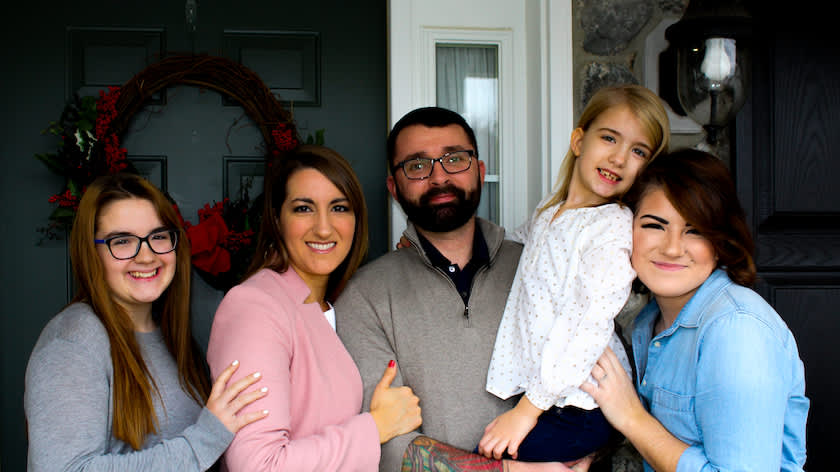
Cari Maxwell, who lives with ADPKD, and her family.
Cari Maxwell

Some women with inherited autosomal dominant polycystic kidney disease(ADPKD) might understandably be hesitant to try to have a family. When clusters of fluid-filled cysts form on kidneys and surrounding tissues, the kidneys enlarge and their function can be reduced, often progressing to kidney failure. Pregnancy outcomes are heavily weighted by the mother's level of kidney function and how well her blood pressure is controlled.


But hesitancy about what's usually called simply "PKD" wasn't a major factor for 40-year-old Cari Maxwell of Manheim, Pennsylvania, a director of operations for a technology company and proud mother of three girls, ages 19, 16, and 6. In an interview with HealthCentral, Cari says she approached the possibility of having children with PKD calmly, rationally, and optimistically.

Cari had learned about her diagnosis at age 18. Her father carried the gene, and she watched her mother help him with hemodialysis in their home until he underwent a kidney transplant in 1987. He died of a stroke in October 2018 at 74.

Managing PKD and blood pressure

Two major categories of blood pressure drugs often used as first-line agents for PKD patients are unsafe during pregnancy because they can potentially negatively affect the fetus: angiotensin-converting enzyme inhibitors (ACE inhibitors) that include benazepril and lisinopril, and angiotensin receptor blockers (ARBs) such as losartan and telmisartan.

Ensuring pregnant women with PKD control their blood pressure and have safe pregnancies and deliveries is often a delicate balancing act.

Cari had never taken blood pressure medication until after she'd had her first two children. She then took the calcium channel blocker Nifedipine ER prior to conceiving her third child, and then was advised to stop that due to potential risks. She was prescribed the beta blocker labatalol for use during that pregnancy.

"It was the best pregnancy of the three," she says. "I felt great."

When her third child was 3 months old, the medication JYNARQUE, or tolvaptan, had started its first trial to treat PKD. She was invited to participate, "but I wasn't willing to cut short nine months of nursing, since the medication isn't recommended during that time," Cari says. She did start a lisinopril regimen following her last pregnancy.

Tolvaptan is designed to prevent PKD cysts from growing or to at least slow their growth. She has been in the tolvaptan trial group since January 2016.


"It is helping me. It does, however, make me go to the bathroom a lot, and I have to drink a minimum of 3 liters of water daily. I still take lisinopril and have lowered it to 20 mg daily."

She understands that the longer she's on tolvaptan, the more benefits she'll have. "I’m getting out ahead of this disease, and I have a lot of hope," Cari says.

PKD risks during pregnancy

Cari is a member of the National Kidney Foundation's Kidney Advocacy Committee, and she champions early detection. The foundation says that 80 percent of PKD pregnancy cases are problem-free, but the other 20 percent are not — if a woman has high blood pressure and reduced or impaired kidney function. This can accelerate to preeclampsia, when the mother’s unusually high blood pressure can result in severe complications for her and her child.

"Patients with preeclampsia can have a systemic reaction with incredibly high blood pressure, seizures, development of heavy 'spilling" of protein into the kidneys — called proteinuria — liver problems including elevated liver enzymes, hematologic or blood problems such as low blood platelet count," says nephrologist and PKD expert Franz T. Winklhofer, M.D., at The University of Kansas Health System. He spoke to HealthCentral in a telephone interview.


A small 2016 study in The Journal of Maternal-Fetal & Neonatal Medicinefound fetal complications between PKD and control groups were the same, with slightly more fetal distress in the ADPKD group. Preeclampsia in patients with simple cysts (2 percent) was similar to that of the general population, but pregnant ADPKD patients did have higher risks for hypertension, proteinuria, edema, urinary tract infection, renal dysfunction, and preeclampsia during their pregnancies.

Monitoring PKD in pregnancy

In reality, many women in their 20s and 30s have children and also have undiagnosed PKD, says Dr. Winklhofer. "In the early stages, women, especially if they're not hypertensive, do just fine. And statistically, this group hasn't been studied systematically."

Most PKD patients aren't diagnosed until their 30s or 40s.

"Patients with PKD don't necessarily follow closely with me until they've developed some renal insufficiency," he says. "And that late in life, not as many try to conceive. But among patients in their 30s, approximately one-third may develop high blood pressure during pregnancy."


The medical literature generally recommends target blood pressure below 130/80 for PKD patients.

Sometimes patients will tell him that they'd had high blood pressure issues "since my first or second child," and the subject comes up anecdotally. Dr. Winklhofer says that the more pregnancies a woman has when she's diagnosed with PKD, the more likely it is she will become hypertensive.

As one might expect, pregnant women with PKD require careful monitoring.

"Most everybody with PKD in general should own a blood pressure cuff anyway," he says. He recommends at least a weekly check, if not more, in conjunction with team care that includes management by an OB-GYN, "who will see them more frequently than I because of the inherent risks of the pregnancy."

Experts and patients agree that if you become pregnant, you will want to do the usual things you do to be "whole-body" healthy, such as getting enough exercise and eating well — including reducing sodium. A current review in UpToDate advises that PKD patients intake no more than 2 grams (2,000 mg) of sodium per day, which will benefit blood pressure control.

Will your child inherit PKD?

Because of the 50 percent chance that a child can inherit PKD, some women wonder how aggressively they should pursue "finding out" whether a baby in utero already has the condition.

"Sometimes obstetricians will see cysts on a fetal ultrasound, and if they don't, that doesn't mean a child won't develop them later," Dr. Winklhofer says. "If a mother doesn't know she has cysts — and is still undiagnosed herself — sometimes a uterine ultrasound will 'accidentally' show cysts on her own kidneys."

Cary says they looked at the baby's kidneys during all three of her pregnancies.

"They were fine, but it's true that we don't know what the long-term prognosis could be," she says. "I was also offered a genetic test all three times, and declined. I believe that whatever happens, happens, and that improvements in medicine may change the future of what's to come for my children. Plus, we have access to great doctors."

Dr. Winklhofer also doesn't recommend screening minors with no symptoms, since there's no effective treatment, and knowledge of the condition could severely impact prospects of obtaining health or life insurance later.


Finally, he reiterates that managing pregnancy with PKD is a very personal journey, and he doesn't dissuade women from trying to conceive.

"I think risks are manageable," he says. "Advances in treatment really have changed the way we think about PKD and pregnancy, especially with tolvaptan, and especially if you get treated with it early enough."


PKD Research

From Investing News

Reata Announces Clinical Trial Design for FALCON a Phase 3 Trial of Bardoxolone Methyl

Reata Pharmaceuticals (Nasdaq:RETA), a clinical-stage biopharmaceutical company, today announced that it has completed a successful end-of-Phase 2 meeting with the United States Food and Drug Administration (FDA) regarding the design of a Phase 3 clinical trial of bardoxolone methyl (bardoxolone) in patients with autosomal dominant polycystic kidney disease (ADPKD).

As quoted in the press release:

The trial, named FALCON, will be an international, double-blind, placebo-controlled, parallel group, Phase 3 trial. The Company plans to enroll approximately 300 ADPKD patients randomized 1:1 to oral, once-daily bardoxolone or placebo. The trial will include ADPKD patients from 18 to 70 years old with an estimated glomerular filtration rate (eGFR) between 30 to 90 mL/min/1.73 m2. The primary efficacy endpoint is the change from baseline in eGFR compared to placebo after 48 weeks of treatment followed by a 4-week drug withdrawal period, the retained eGFR benefit.

FALCON is statistically powered to detect a placebo-corrected, retained eGFR benefit of 1.6 mL/min/1.73 m2. Based upon guidance from the FDA, the 52-week retained eGFR benefit data may support accelerated approval under subpart H. After Week 52, patients will be restarted on study drug with their original treatment assignments and will continue on study for a second year. The second-year retained eGFR benefit will be measured at Week 104 after withdrawal of drug for four weeks. Based upon guidance from the FDA, the year-two retained eGFR benefit data may support full approval.


Gift of Life

From The Hutchinson News, KS

Donation brings new meaning to co-workers

Kidney disease runs in Barb Williams’ family.

Exceptional generosity runs in Donna VanNordstrand’s.

VanNordstrand learned Williams needed a new kidney via a bulletin board posting at the Hutchinson Clinic, where both women have worked for nearly 30 years.

She only knew Williams in passing, but VanNordstrand signed up as a potential donor almost immediately and has since been approved for the organ donation, which is set for Jan. 30.

VanNordstrand has a brother living in Texas who donated his kidney to someone at his church about five years ago, she said. She hadn’t talked with him much about it but knew it hadn’t negatively affected his life.

“I’ve always been thankful for good health,” said VanNordstrand, 60. “It means a lot to be healthy. I’ve known so many people who aren’t and I’ve had good friends pass away. I wanted to pass my health on to someone else.”

“It’s such an awesome gift,” Williams said.

Numbers to know

444,552 kidney transplants were performed in the U.S. from 1988 through last Friday, accounting for nearly 60 percent of all organ transplants.

113,809 people nationwide were on the waiting list for a lifesaving organ transplant as of Monday, of which more than 65 percent are considered “active waiting list candidates.”

419 people in Kansas are in need of an organ transplant, of whom 301 need a kidney and 113 a liver, and nearly 2,000 in Colorado, including 1,547 needing kidneys.

2 ½ to 3 years is the average time a person spends on the waiting list for a kidney transplant.

One donated kidney is needed to replace two failed kidneys.

Go to https://optn.transplant.hrsa.gov/ to learn more.

Source: Organ Procurement and Transplantation Network, U.S. Dept. of Health and Human Services


Inherited

Williams, 66, suffers from polycystic kidney disease. She comes from a family that has a long history of kidney problems because of it.

About 1 in every 1,000 people suffer from the PKD, said Hutchinson nephrologist Dr. Patrick Fluck, at the clinic. The disease causes cysts to grow on the kidneys, and sometimes the liver, causing the organs to become enlarged and cause pain.

Many patients with PKD, though not all, will develop kidney failure, Fluck said. Other complications include high blood pressure, hernias, and aneurysms.

There’s supposed to be a 50/50 chance of getting the hereditary disease if it’s in a family, Williams said. Two of her three children, however, have also been diagnosed with it. The kidneys, necessary for drawing toxins from the blood, start to lose function and may eventually shut down.
“There’s nothing you can do except get a transplant or go on dialysis,” Williams said. “I found out I had it when I was 35. I knew it was coming; I just didn’t know when. Finally, it caught up with me.”

She’s been on dialysis for about two years. One of her sisters, who was too ill to undergo a transplant, relied on dialysis for more than 20 years before she died. Her other sister is also on an organ transplant list.

Williams had initially been expecting to receive a kidney from one of her adult sons and they’d been through the testing process.

But when another son developed severe symptoms of the disease late last year at just age 37, the family decided her son’s kidney should go to his brother and Williams should seek another donor.

That’s when the notice went up the employee break room. She also posted the need on Facebook.

“He’s had more pain than I ever had,” Williams said of her son. “Everyone reacts differently” to the disease and how quickly or severely it affects them.

Several people besides VanNordstrand went to the transplant hospital’s website, www.uchealthlivingdonor.org, to fill out a questionnaire as possible donors, Williams said, including people she didn’t know. But VanNordstrand was quickly identified as a potentially good match and she was asked to undergo testing.

No surprise

Both women have worked as administrative assistants at the clinic for many years. Williams, who currently works in the business office, has been there 27 years, while VanNordstrand, now in administration, for 29.

She was initially surprised that VanNordstrand signed up, Williams said, since she didn’t know her well.

“Until I started thinking about what kind of person she is, and then it didn’t surprise me at all,” Williams said. “When I tell other people, they’re not surprised either... She’s always a very pleasant person who’d do anything for anybody.”

That includes Hutchinson Clinic CEO Mike Heck, who noted VanNordstrand had been his assistant the last 2 ½ years, and “in which time I have had an opportunity to get to know her kind and gentle nature.”

“When Donna came to me and said she would need time off to donate a kidney to a coworker, it did not surprise me in the least,” Heck said. “Donna is exactly the kind of person who would do anything she could to help a fellow human being.”

“I am heartened to say that Donna was not the only employee who stepped up to try to help Barbara in our business office,” Heck said. “Knowing we have the kind of staff that shows that level of compassion for others is what makes leading this organization so rewarding. I think it speaks volumes to the type of people we hire and the commitment our staff has to the well-being of others.”

She’d hoped to get a transplant before she went on dialysis, but her kidney function wasn’t low enough to get on the donor list. Then, when she qualified, there were delays.

She undergoes dialysis three afternoons a week, after which she’s too exhausted to work. She still has to put in 40 hours a week to keep her benefits, however, so her other days are long ones.

The treatment and its effects also prevent her from traveling to see other family, including her oldest son who lives in California.

A transplant, Williams said, will give her a new lease on life.

VanNordstrand grew up in McPherson and graduated from high school there, but has lived in Hutchinson since she married in 1980. At the clinic since 1990, she worked in the lab seven years before moving up to the administration office.

A regular blood donor, who also signed the place on her driver’s license to donate her organs if she died, VanNordstrand said she never thought about being a live donor until she heard about William’s need.

The previous actions of her brother, David Seibel of El Paso, Texas, also inspired her.

“He got along great and thought it was a cool experience,” VanNordstrand said. “I thought ‘If he can do it, I can do it.’”

“Just felt right”

VanNordstrand heard about the flyer, though it was down when she went to look. The next time she saw Williams at work, she approached her to get details and then signed up online. A phone call from the donation center followed, and then blood and urine tests.

Eventually, she got a call asking if she’d be willing to go to the University of Denver for additional tests.

“That was a long day,” VanNortstand recalled, which included lab work, an EKG, chest X-rays, stress test, CT scan and several interviews, including with a dietician, social worker and the surgeon. They also interviewed Jim, her husband of 38 years.

She didn’t tell her husband when she initially signed up, but after getting the callback, they had a discussion, she said.

“In the very beginning he (objected), but we talked it through and he’s been totally on board since,” VanNordstrand said. Her two daughters, after expressing some concern, also now support her decision.

“They’re excited about it,” she said. “They’re proud of me. I’d love it if someday, if they were in that position, that they’d do it too.”

Both women will have to travel to Colorado five days in advance of the surgery for pre-op. VanNordstrand will have to remain another five days after the surgery, while Williams expects to stay six weeks. She chose a Colorado hospital for the surgery because, besides the facility having an excellent reputation for transplants, a sister and son live in Denver and she can stay with them.

The surgery, which takes about three hours, is done primarily arthroscopically, so the incisions will only have to be as large as the kidney. It’s a mostly successful surgery, with a failure rate from living donors only about 3 percent after a year and 14 percent after five years from a transplant, Dr. Fluck said.

“I know that God put Barb and me together for this opportunity,” VanNordstrand said. “During the process of testing and waiting to find out if we were a match, it just always felt right to me and I was sure it would work for us. God gave me that assurance.”


PKD Fundraising

From PKD Foundation

Fundraise Your Way: Kansas father runs in honor of son to raise money for PKD research

Our Fundraise Your Way program is one of the best ways you can help create a future without PKD. When you turn your hobbies and passions into creative fundraisers, 100% of the money you raise goes directly to fund PKD research. You can help give hope, like our friend Blaine. Check out his story:

If you forget everything you learned in school about genetics, you get a refresher course when your child is diagnosed in utero with a genetic disease like autosomal recessive polycystic kidney disease (ARPKD). My name is Blaine Moore, and my wife Michele and I are both carriers of the recessive gene that triggers polycystic kidney disease (PKD). Since this gene is recessive, each of our children had a one in four chance of carrying the disease. Our fifth child, Matthias, has the disease. From a statistical standpoint, our other four sons beat the odds, and from a health standpoint, Matthias has also beaten the odds. Due to complications of his condition, Matthias faced some steep challenges as an unborn child and also in his first few weeks after being born. Those early days required a good amount of prayer and love and the care of some truly special medical professionals. Now we are blessed and grateful that he is 15 years old and at this point is symptom-free, with normally functioning kidneys and a passion for baseball.


Blaine, crossing the finish line at the “Little Apple Marathon” in Manhattan, Kan.

Our family has been aware of the PKD Foundation for a number of years, but only recently found just the right way to get involved. As an avid runner, I began training for my first marathon in the late summer of 2018. I knew that people often run for a cause or a charity, and my choice became instantly clear: I would run to raise support and awareness for the PKD Foundation. It is also true that every runner has a “why,” the one thing that keeps them going, especially on a long run. My “why” during my marathon would be my son, Matthias.

When I called the PKD Foundation the first time, I didn’t know if anyone had ever done what I had in mind. I was thrilled to find out about their Fundraise Your Way program. One helpful conversation with a member of the Foundation’s fundraising team set me on the right track, and within a couple of days I had created my own FYW page and had my first donors. Putting together my fundraising page was so simple and straightforward! Best part: it felt amazing to be doing something small to help the greater good. By simply linking an activity I was going to do anyway with FYW, I was able to join in the work of the PKD Foundation. The same could be true for anyone who wants to make a difference but is struggling to figure out how to make it happen. FYW is the way to make it happen.

Your events, hobbies and celebrations are only one step away from giving hope to the PKD community. Head over to the Fundraise Your Way page to create your fundraising page now and start spreading the word!


Make A Wish

From The Daily Post Athenian, TN, By Ashley Copeland Staff Writer

Local resident returns from Make-A-Wish trip


Make-A-Wish

Wishes come true — or, at least, Keira Freeman’s did.

Freeman, an 11-year-old with polycystic kidney disease (PKD), recently returned from an all-expenses paid vacation to Hawaii, courtesy of the Make-A-Wish Foundation.

Make-A-Wish is a 501(c)(3) nonprofit charity that funds and grants “wishes” for children with life-threatening medical conditions, like PKD.

Freeman’s desire to travel to Hawaii was not based off of typical tourist attractions, but was instead inspired by a long distance friendship with a 17-year-old girl, Emily Travis, who also has PKD. The girls have been friends since the PKD Foundation connected them about two years ago.

So, in December, Freeman — accompanied by her mother Kristi Wilson, aunt Tracey Allen and siblings Brooklyn and Peyton Wilson — spent seven days in Oahu.

According to Freeman, she enjoyed a variety of activities like visiting Pearl Harbor, swimming with dolphins, seeing unique animals at a local zoo and of course, meeting and snorkeling with Travis.

Freeman’s mother said that the most rewarding part of the trip was witnessing her daughter meet her friend.

“It was fantastic,” Wilson said. “Her meeting Emily was amazing because there’s not many people around here with PKD around her age. Having conversations with her was neat.”

Wilson also noted that the wish was good for the whole family.

“We were relaxed, not stressed, and only had one bad day,” she explained, adding that her daughter only struggled with her PKD one day, but that she bounced back quickly.