Sunday, August 25, 2019

PKD Research: Growing Mini Kidneys, KidneyX Winners, Kidney Transplants Funded by Medicaid Increasing, Potential Cardiac Issues for ADPKD Pateints

PKD Research

From Science Daily, Singapore Nanyang Technological University
Mini kidneys grown from stem cells give new insights into kidney disease and therapies

Medical researchers have grown 'miniature kidneys' in the laboratory that could be used to better understand how kidney diseases develop in individual patients. These kidney organoids were grown outside the body from skin cells derived from a single patient who has polycystic kidney disease. This method has paved the way for tailoring treatment plans specific to each patient, which could be extended to a range of kidney diseases.

An international team of researchers led by Nanyang Technological University, Singapore (NTU Singapore) has grown 'miniature kidneys' in the laboratory that could be used to better understand how kidney diseases develop in individual patients.

The mini kidneys, known as kidney organoids, were grown outside the body from skin cells derived from a single patient who has polycystic kidney disease, one of the most common inherited causes of kidney failure in adults.

The researchers reprogrammed these cells to obtain patient-specific pluripotent stem cells, which, under the right conditions, can develop into kidney organoids similar to human fetal kidneys in the first three to six months of development.

The kidney organoids were then used to validate the therapeutic effects of two drug molecules with potential for treating genetic polycystic kidney disease, demonstrating that the research could be of significant value in developing personalised treatments for people with this disease.

Existing approaches to testing potential treatments through such 'drug screening' do not take account of the fact that the genetic errors that cause kidney diseases vary from patient to patient.

By generating induced pluripotent stem cells from an adult patient with a genetic kidney disease, and then growing kidney organoids from them, the research team has paved the way for tailoring treatment plans specific to each patient, which could be extended to a range of kidney diseases.

The research, led by NTU Singapore Assistant Professor Xia Yun and her team, which includes NTU Assistant Professor Foo Jia Nee and Professor Juan Carlos Izpisua Belmonte from the Salk Institute for Biological Studies, in San Diego, California, was published in Cell Stem Cell in July 2019.

Assistant Professor Xia from the NTU Lee Kong Chian School of Medicine (LKCMedicine), said, "A patient's genetic makeup is closely intertwined with how their kidney disease will develop, as the type of mutation within the disease-causing gene can differ from patient to patient.

"Our kidney organoids, grown from the cells of a patient with inherited polycystic kidney disease, have allowed us to find out which drugs will be most effective for this specific patient. We believe that this approach can be extended to study many other types of kidney disease, such as diabetic nephropathy."

Professor Juan Carlos Izpisua Belmonte, an international collaborator of this study, said, "Although we are still quite far away from using these kidney organoids for replacement therapy, this study has made a small step closer to this ultimate goal."

New insights into human kidney development

The kidney organoids developed by Asst Prof Xia and her team may also offer new insights into human kidney development, which currently cannot be studied in depth due to concerns surrounding human stem cell research.

While the origin of kidney blood vessel networks is not fully known, it is widely accepted that a type of stem cell known as 'vascular progenitors' is involved in their formation by developing into blood vessel cells.

By examining the genetic information within single cells of the organoid, the NTU-led team also discovered a new source of stem cells that contribute to making these blood vessel networks: nephron progenitor cells. Prior to this discovery, these cells were known only as precursors to nephrons, the kidney's filtering units.

NTU LKCMedicine Assistant Professor Foo Jia Nee, said, "We observed very robust and consistent development of blood vessel networks within our kidney organoids, which opens new doors to investigate the developmental origin of renal blood vessel networks, which is still not fully understood. Using this novel organoid platform, we unexpectedly discovered a new source of renal blood vessels that may improve our understanding of kidney development."

The mini kidneys may also be used to better understand the development of nephrons in the kidney. The number of nephrons at birth is inversely correlated with incidence of hypertension and kidney failure later in life. Being born with a high nephron number appears to provide some degree of protection against these conditions.

Asst Prof Xia said, "A thorough understanding of human embryonic kidney development, especially how environmental factors influence the process, may help us develop ways to promote a high birth nephron number for foetuses as they develop during pregnancy."

Stem cell scientist Dr Jonathan Loh Yuin-Han, senior principal investigator at the Institute of Molecular and Cell Biology at the Agency for Science, Technology and Research, who was not involved in the study, said, "The new vascularised kidney organoids created by Xia Yun and her team represent a transforming advance in the field. The organoids model anatomical and functional hallmarks of the real organ, so they provide deep insights into the kidney developmental processes. This could inspire future works on individualised bioengineered mini organs for application in personalised medicine and treatment of complex diseases."

Understanding the inner workings of a diseased kidney

To study the effects of genetic polycystic kidney disease, Asst Prof Xia and her team first took regular adult cells from an adult patient with the disease and genetically reprogrammed them into stem cells.

The creation of these induced pluripotent stem cells is necessary because the adult human body does not have any kidney stem cells. Two essential chemicals are then added to direct these induced pluripotent stem cells to grow into kidney organoids.

Four to five weeks later, these organoids developed fluid-filled cysts that are characteristic of the disease. This signaled that they were ready to be used to test the efficacy of potential drug candidates for drug development.

The same approach can be employed to generate kidney organoids from stem cells derived from healthy individuals. When these kidney organoids were implanted into mice, the blood vessel network of these mini kidneys successfully connected with the host mice circulation system and developed a more mature architecture capable of preliminary filtration and reabsorption.


From MDLinx

Cardiac function assessed by myocardial deformation in adult polycystic kidney disease patients

Among asymptomatic autosomal dominant polycystic kidney disease (ADPKD) patients not on dialysis (n = 110), researchers assessed global longitudinal strain (GLS) distribution as evaluated by two-dimensional speckle-tracking in this prospective study. They also investigated clinical variables related to higher (less negative) strain measurements in these patients, given that transmitral early filling velocity to early diastolic strain rate (E/SRe) represents a new measure of left ventricular filling pressure, which is frequently affected early in cardiac disease. Among ADPKD patients, higher GLS and E/SRe were commonly detected, even in those with preserved estimated glomerular filtration rate and normal left ventricular ejection fraction. Following multivariate logistic regression with backward model selection, male gender and β-blocker use continued to be significant as factors related to higher GLS, and β-blocker use remained significant as a factor related to higher E/SRe. Since GLS and E/SRe are early markers of cardiac dysfunction, these may be helpful in cardiovascular risk stratification in patients with ADPKD.


Artificial Kidney

From healio.com


Researchers and developers at the Center for Dialysis Innovation at the University of Washington in Seattle, one of the winners in the KidneyX competition, are developing the Ambulatory Kidney to Improve Vitality, an external, wearable, miniaturized dialysis system that the developers hope will be “low-cost, water-efficient, requires minimal anticoagulation, offers complication-free blood access and [be] patient-friendly.”

In an interview with Healio/Nephrology, Jonathan Himmelfarb, MD, a chief investigator on the project, said the group is in the second year of developing the device.

“We have put together a world-class team to work on this wearable kidney and set a goal of having the [Ambulatory Kidney to Improve Vitality] AKTIV ready in 5 years for trials,” Himmelfarb said. “We are at the stage where we still need time to do more research and development.”

The researchers said they hope the device will allow for “almost unlimited mobility, dramatically reduce pharmaceutical burden and reduce dietary restrictions.” Once available, however, Himmelfarb acknowledges that the AKTIV will not be for everyone. “Renal replacement therapies should not be about one size fits all. What we are doing is trying to create more options.”

Devices like the AKTIV would create mobility for many patients.

“Most patients don’t want to be doing dialysis tied to a chair. They want to be able to live their life while getting their treatment. And that is where the wearable, portable, implantable devices can be transformative because you would not be tied to being at home,” Himmelfarb said.

Other researchers on the project include Buddy Ratner, PhD; Larry Kessler, ScD; Kassandra Thomson, PhD; Glenda V. Roberts and Anna Galperin, PhD. – by Mark E. Neumann

Reference:

www.kidneyx.org/WhatWeDo/PrizeCompetitions/redesigndialysisphasei


Kidney Transplant

From Drexel Now, Drexel University

Kidney Transplants Covered by Medicaid Increased in States After Medicaid Expansion

Medicaid expansion has helped more young, low-income adults with advanced kidney disease to avoid the costs and poor quality-of-life associated with dialysis, reports a study in the Journal of General Internal Medicine from researchers at Drexel University College of Medicine and the Dornsife School of Public Health at Drexel.

The study included 15,775 United States adults age 21-64 who received a pre-emptive kidney transplant (i.e., a transplant before needing dialysis treatment) from 2010-2017.

The team examined the numbers of living and deceased donor kidney transplants, respectively, that occurred during the four years leading up to Medicaid expansion and the four years following the date of expansion in states that opted to expand Medicaid as part of the Affordable Care Act, compared to trends in preemptive transplants in states that chose not to expand Medicaid.

Researchers found that the overall number of pre-emptive kidney transplants covered by Medicaid have increased by 37 percent in states that did not expand Medicaid and by 66 percent in states that did expand Medicaid. Medicaid-covered preemptive, living-donor kidney transplants increased by 0.7 percentage points in non-expansion states, and by 2.2 percentage points in expansion states.

The Affordable Care Act became law in March 2010, expanding the nation’s Medicaid program, particularly to almost all non-elderly adults whose income is at or below 138 percent of the federal poverty level. This 100 percent federal funding coverage — for states that elected to receive it — began Jan. 1, 2014, (90 percent coverage starting in 2020).

“More Americans die from chronic kidney disease than from breast cancer, prostate cancer, and many other well-known diseases,” said lead author Meera N. Harhay, MD, an associate professor of Medicine at Drexel College of Medicine. “From improving early detection of kidney disease to increasing outreach and educational efforts, there are many steps that we can take to advance care for those with kidney disease. To promote early access to transplants, expanding Medicaid was clearly one of those steps.”

Approximately 37 million Americans suffer from chronic kidney disease, a condition in which the kidneys cannot properly pass waste and filter blood. In the advanced form of chronic kidney disease, a living donor transplant is often the best option to avoid dialysis, but health insurance is needed to cover the costs of the procedure. Although transplant before the need for dialysis treatment is the ideal scenario for individuals with advanced kidney disease, Medicare coverage is only available to non-elderly individuals after they begin dialysis. The shortage of kidneys available for transplant requires that people without a living donor often wait for five to 10 years on dialysis before receiving a transplant, and many die on dialysis before they get that opportunity.

The research findings come amidst President Donald Trump signing an executive order in July aimed at improving kidney care. Its goals include increasing rates of preemptive kidney transplant, identifying and treating at-risk populations in earlier stages of kidney disease, removing financial barriers to living organ donation, among others. The study also comes at a time when the fate of the ACA, and Medicaid expansion, are also in question.

Last year, there were 36,500 transplants of any organ in the United States. A total of 21,167 of these, 59 percent, were kidney transplants, according to the United Network for Organ Sharing.

A total of 33 states and Washington D.C. have expanded Medicaid under the Affordable Care Act (ACA), covering millions of previously uninsured Americans – including those with kidney disease who are not dialysis-dependent. The latest research follows a study Harhay published in Journal of General Internal Medicine in October 2018 with Ryan M. McKenna, PhD, an assistant professor in Drexel’s Dornsife School of Public Health, which found that 30 percent of the lowest -income individuals in the U.S. with kidney disease were uninsured in 2015 and 2016, despite coverage gains made by Medicaid.

The authors of the study were funded to conduct this research by grants from the National Institutes of Health’s National Institutes of Diabetes and Digestive and Kidney Diseases and National Heart, Lung, and Blood Institute, as well as support from the Health Resources and Services Administration.

In addition to Harhay and McKenna, an additional author on the research includes Michael O. Harhay, PhD, from the University of Pennsylvania.

Sunday, August 18, 2019

Research: Leap Forward - Modeling Kidney Filtration, Using Home Dialysis, PKD Foundation Blog: Funding Federal Budget

Kidneys

From Science Daily, Children's Hospital Los Angeles
A leap forward in kidney disease research: Scientists develop breakthrough in vitro model

Researchers have developed the first model of kidney filtration in the lab that accurately mimics human kidney physiology. The model represents a leap in chronic kidney disease research and could help doctors understand disease progression in individual patients.

Kidneys work to constantly filter blood and remove toxins from the body. Conditions such as chronic kidney disease (CKD) are characterized by a reduced ability to perform this essential function. CKD incidence is growing and more than 1.4 million individuals depend on dialysis or kidney transplant for survival. Development of new treatments requires an understanding of the mechanisms of the disease progression, but scientists have not been able to accurately model kidney filtration in vitro -- until now.

In a landmark study published in Nature Communications, scientists at Children's Hospital Los Angeles demonstrate an in vitro kidney model that could change the course of research for diseases like CKD.

The kidney contains specialized structures called glomeruli. Within each glomerulus is a filtration barrier made up of two thin layers of highly specialized cells and a membrane that acts as a selective filter. As blood moves through each glomerulus, toxins and small molecules can pass through, while proteins and other important components are kept in the bloodstream. "This filtration process breaks down in patients with kidney disorders," explains Laura Perin, PhD, who is co-senior author on the study along with Stefano Da Sacco, PhD. "But because we haven't had a good in vitro model, we still don't know the mechanisms of injury to the glomerulus in CKD."

Dr. Perin and Dr. Da Sacco conduct research in the GOFARR Laboratory for Organ Regenerative Research and Cell Therapeutics in Urology along with co-director Roger De Filippo, MD, at CHLA's Saban Research Institute. The lead author on the study was CHLA postdoctoral research fellow Astgik Petrosyan. Together, the team studies the structure of the glomerulus to better understand how and why their ability to filter blood breaks down.

"A big challenge in the kidney research field has been trying to replicate the glomerulus in vitro," says Dr. Da Sacco. "In particular, the glomerular filtration barrier is very difficult to recreate in a lab using standard techniques." Because of this, most published studies have used an artificial membrane between the two cell layers. While fluid can be exchanged, the cells cannot communicate across this membrane in the same way they do biologically. "This results in a model that doesn't really filter properly," he explains.

The critical component missing from current experiments is a filter that is selective and allows proper cell-to-cell communication. Dr. Da Sacco and Dr. Perin set out to grow healthy kidney cells in a way that allowed for the natural glomerular barrier to form, just as it does in the body. Using specialized, compartmented containers called OrganoplatesTM, the investigators did exactly that.

The result?

A model glomerulus that functions nearly identically to that found in real kidneys. They are calling this model, which is derived entirely from healthy, human kidney tissue, a glomerulus on a chip.

On one side of the cells, investigators add fluid and, on the other side, they collect what the 'glomerulus' filters, which is called the filtrate. In their experiment, the scientists added blood serum from healthy individuals. Without the use of a manufactured filter, the team's in vitro glomerulus behaved as human kidneys are expected to act: proteins remained in the serum while smaller molecules passed into the filtrate. "The barrier that our cells naturally formed is selective, just as it would be in a fully-functioning kidney," says Dr. Da Sacco. "It is remarkable."

This model represents a substantial leap forward from the current standard of in vitro kidney research. "Our system behaves like a biologically, physiologically correct glomerulus," says Dr. Perin. "This opens up the door for us to understand what we still don't know -- the molecular mechanisms of injury in CKD and, more importantly, how to prevent damage."

While this seemed a distant goal in the past, Dr. Da Sacco and Dr. Perin are already recreating and studying the disease state in their model. When the investigators added serum from patients with CKD, they found that the glomerulus exhibited the same type of damage observed clinically: proteins began to leak through the compromised filter. Protein levels measured in the experimental filtrate matched patient clinical filtrate samples with a correlation of approximately 90%.

This breakthrough paves the way for numerous clinical applications. In the burgeoning era of personalized medicine, a preparation such as this can be used to examine molecular mechanisms of kidney damage in individual patients. Disease progression can then be monitored over time using serial blood sampling. The model could also be used for screening new drugs prior to human clinical testing.

Dr. Perin and Dr. Da Sacco, who are also Assistant Professors in the Keck School of Medicine at USC, are co-senior authors on the publication. Other authors are Paolo Cravedi of Icahn School of Medicine at Mount Sinai, NY; Valentina Villani of CHLA; Andrea Angeletti of the University of Bologna, Italy; Joaquin Manrique of Complejo Hospitalario de Navarra, Pamplona, Spain; Alessandra Renieri of Azienda Ospedaliera Universitaria Senese, Siena, Italy; and Roger De Filippo of CHLA.

The study was funded by the GOFARR Foundation and the Schenkman Family, grants from the Alport Syndrome Foundation, a TSRI Research Career Development Award, and a Wright Foundation Pilot Award. OrganoplatesTM were purchased from MIMETAS, who the authors wish to thank for providing invaluable training, technical support, and assistance.


From Kaiser Health News, via New York Times


Mary Epp awoke from a deep sleep to the “high, shrill” sound of her dialysis machine’s alarm. Something was wrong.

It was 1 a.m. and Epp, 89, was alone at home in Marion Junction, Ala. No matter. Epp has been on home dialysis since 2012, and she knew what to do: Check the machine, then call the 24/7 help line at her dialysis provider in Birmingham, Ala. to talk to a nurse.

The issue Epp identified: Hours before, a woman she hired to help her out had put up two small bags of dialysis solution instead of the large ones, and the solution had run out.

The nurse reassured Epp that she’d had enough dialysis. Epp tried to detach herself from the machine, but she couldn’t remove a cassette, a key part. A man on another 24/7 help line run by the machine’s manufacturer helped with that problem.

Was it difficult troubleshooting these issues? “Not really: I’m used to it,” Epp said, although she didn’t sleep soundly again that night.

If policymakers have their way, older adults with serious, irreversible kidney disease will increasingly turn to home dialysis. In July, the Trump administration made that clear in an executive order meant to fundamentally alter how patients with kidney disease are managed in the U.S.

Changing care for the sickest patients — about 726,000 people with end-stage kidney disease — is a top priority. Of these patients, 88% receive treatment in dialysis centers and 12% get home dialysis.

By 2025, administration officials say, 80% of patients newly diagnosed with end-stage kidney disease patients should receive home dialysis or kidney transplants. Older adults are sure to be affected: Half of the 125,000 people who learn they have kidney failure each year are 65 or older.

Home dialysis has potential benefits: It’s more convenient than traveling to a dialysis center; recovery times after treatment are shorter; therapy can be delivered more often and more readily individualized, putting less strain on a person’s body; and “patients’ quality of life tends to be much better,” said Dr. Frank Liu, director of home hemodialysis at the Rogosin Institute in New York City.

But home dialysis isn’t right for everyone. Seniors with bad eyesight, poor fine-motor coordination, depression or cognitive impairment generally can’t undertake this therapy, specialists note. Similarly, frail older adults with multiple conditions such as diabetes, arthritis and cardiovascular disease may need significant assistance from family members or friends.

The burden of providing this care shouldn’t be underestimated. In a recent survey of caregivers providing complex care to family members, friends or neighbors, 64% identified operating home dialysis equipment as hard — putting this at the top of the list of difficult tasks.

What experiences do older adults have with home dialysis? Several seniors doing well on home-based therapies were willing to discuss this, but they’re a select group. Up to a third of patients who try home dialysis end up switching to dialysis centers because they suffer complications or lose motivation, among other reasons.

It takes determination. Jack Reynolds, 89, prides himself on being disciplined, which has helped him do peritoneal dialysis at home in Dublin, Ohio, seven days a week for 3½ years.

With peritoneal dialysis, the therapy that Epp also gets, a fluid called dialysate (a mix of water, electrolytes and salts) is flushed into a patient’s abdomen through a surgically implanted catheter. There, it absorbs waste products and excess fluids over several hours before being drained away. This type of dialysis can be done with or without a machine, several times a day or at night.

About 10% of patients on dialysis choose peritoneal therapy, including 18,500 older adults, according to federal data.

Reynolds prefers to administer peritoneal dialysis while he sleeps — a popular option. His routine: After dinner, Reynolds sets out two bags of dialysate, ointments, sterile solutions, gauze bandages and a fresh cassette for his dialysis machine with four tubes attached: two for the dialysate bags, one for his catheter and one to expel dialysate at the end.

Altogether, it takes him 23 minutes to gather everything, clean the area around his catheter and sterilize equipment; it takes about as much time to take things down in the morning. (Yes, he has timed it.) Just before going to sleep, Reynolds hooks up to his dialysis machine, which runs for 7.5 hours. (The amount and frequency of therapy varies according to an individual’s needs.)

“I live a normal, productive life, and I’m determined to make this work,” Reynolds said.

It took five surgeries to successfully implant a catheter on Reynolds’ left side because of scarring from previous abdominal surgeries. He has had to replace three malfunctioning dialysis machines and learn how to sleep on his right side, so the tube connected to his catheter isn’t compressed.

In the morning, his wife, Norma, cleans the area around his catheter, applies a gauze bandage and tapes an 18-inch extender attached to the catheter to his chest. He could do this himself, Reynolds said, but “I wanted her to have some part in all this.”

Training is demanding. In December 2003, when Letisha Wadsworth started home hemodialysis in Brooklyn, N.Y., she was working as an administrator at a social service agency and wanted to keep her job. Doing dialysis in the evening made that possible.

Home hemodialysis requires one to two months of education and training for both the patient and, usually, a care partner. With each treatment, two needles are stuck into an access point, usually in a vein in a patient’s arm. Through lines connected to the needles, blood is pumped out of the patient and through a machine, where it’s cleansed and waste products are removed, before being pumped back into the body.

Only 2% of dialysis patients chose this option in 2016, including 2,800 older adults.

The training was “rigorous” and “pretty scary for both of us,” said Wadsworth, now 70, whose husband, Damon, accompanied her. “We learned a lot about dialysis, but we still didn’t know about issues that could arise when we got home.”

Issues that Wadsworth has had to deal with: learning what to do if air got into one of the lines. Adjusting the rate at which her blood was pumped and flowed through the machine. And, recently, getting a medical procedure to fix the access site for her needles, which had clotted with blood.

Another issue: finding space for 30 large boxes of supplies (fluids, filters, needles, syringes and more) that Wadsworth orders each month. They’re stored in two rooms in her house.

Over the years, Wadsworth has talked a lot to family members and friends about kidney failure and dialysis. “I wish I’d known about the relationship between blood pressure and kidney failure a lot earlier,” she said. “I guess I thought all black people have high blood pressure: It just comes with the territory as opposed to what we can do to prevent it.” (High blood pressure puts people at risk of kidney failure.)

In 2013, Wadsworth had a stroke, which temporarily paralyzed her left side. “I used to set up the [dialysis] machine, but now I use a walker and I can’t really stand and set everything up the way I used to.” Damon, 73, does this for her.

Wadsworth’s current routine: Dialysis starts around 8 p.m. and goes for five hours, four days a week, in a dedicated room in her house. She passes the time eating dinner, watching TV, reading on her Kindle, talking on the phone, visiting with friends or playing Scrabble with Damon.

Like most patients on home dialysis, she gets blood tests once a month and visits her nephrologist two weeks later to review how she’s doing. A nurse, dietitian and social worker are also part of her team at the Rogosin Institute.

Damon, a psychotherapist, admits it isn’t easy to stick his wife with needles. “A lot of times, it hurts her, and it’s not fun for me to be the person doing that,” he said. “But it’s just part of my life now. We’re thankful that home dialysis exists and we’re lucky enough to be able to do it.”

It can be overwhelming. Sharon Sanders, 76, thought she had the flu last year when she had trouble breathing and keeping food down. But when she landed in the hospital, doctors told her that her kidneys were shutting down.

About half of the time, this is what happens to people who end up on dialysis: They learn suddenly that their kidneys aren’t working reliably anymore.

Like many people, Sanders was shocked. After going to classes and talking to a niece who’s a registered nurse, she decided on peritoneal dialysis. “I liked that I can do it at home, by myself, and I don’t have to stick myself with needles,” she said.

Training took about a week at a clinic in Mesa, Ariz. “It came very easy for me,” said Sanders, who lives in Gold Canyon, Ariz., and who began her nightly routine of six hours of peritoneal dialysis, five days a week, last August.

She doesn’t pay anything for the therapy, which is covered for her by Medicare and Tricare insurance, a benefit Sanders has because of her husband’s military service. (He died in 2017). Medicare Part B pays 80% of the cost of dialysis at home, and supplemental coverage (including, for instance, a Medigap policy, a retiree policy from an employer or Medicaid) generally picks up the remainder.

Sanders is a frequent visitor to Home Dialyzors United Facebook support group and another site, Home Dialysis Central. Another site, My Dialysis Choice, is a useful resource for people deciding whether home dialysis is right for them.

Even though Sanders, who has arthritis of the spine, doesn’t find her dialysis routine especially burdensome, she sometimes gets overwhelmed. “I don’t have any energy too much of the time,” she said. “I find myself thinking, What’s my purpose for doing this? Is it worth it if we’re all going to die anyway?’”

Finding needed help. Until last November, when her husband of 68 years died, Mary Epp relied on him to get her ready for peritoneal dialysis, which she receives every night while she sleeps for nine hours.

Now, an aide comes in a 7 p.m. to help Epp take a bath and set things up before dialysis begins an hour later. Another woman comes in at 5 a.m. to take her off dialysis, clean everything up and fix her breakfast.

“I’ve gotten a lot more feeble than I was” when home dialysis began in 2012, said Epp, who admitted she was “terrified” when a physician diagnosed her with kidney failure.

But the benefits of home therapy, which is overseen by a team at a dialysis clinic 90 miles away in Birmingham, remain worth it, she said. “You just go to bed and wake up the next morning and you’re ready to go and meet the day.”


PKD Foundation Blog

Funding the federal budget: What you need to know

As lawmakers get ready to return from the August recess, PKD Foundation sat down with Alexis Denny, Director of Government Affairs, to learn more about the intricacies of the general Federal Budget process and how it pertains to the PKD community and the PKD Foundation’s 2019 Advocacy Plan.

“The most important part of my work is advocating for federal dollars to support PKD research,” Alexis says. “All of that funding has to be budgeted and appropriated each year, so understanding the federal budget process is critical to understanding how to increase support for research.”

Funding the government

All federal dollars for research, healthcare and drug development are appropriated through the federal budget. Agencies such as the following cannot spend money without a budget.
National Institutes of Health (NIH)
Food and Drug Administration (FDA), Health and Human Services (HHS)
Veterans Administration (VA)
Department of Defense (DOD)

Each year, Congress must pass a budget in order to fund the government for the next year. The federal fiscal year runs October 1 – September 30.

Budgeting timeline of events

February — The annual budget process generally begins when the administration releases its budget proposal outlining the current administration’s priorities for revenue (taxes), new policies and proposed changes to current law.

March — Early in the month, pertinent congressional committees conduct targeted meetings called hearings on the budget proposal. The House and Senate Budget Committees are tasked with drafting a budget resolution to guide Congress in its constitutional responsibility of funding federal activities. A budget resolution does not have to accept each of the suggestions in the administration’s proposed budget. Congress can modify, reject or add to the administration’s budget.

A budget resolution often includes instructions for a process called reconciliation. Committees are instructed to approve legislation making changes to tax, defense and/or domestic spending programs. The committees’ proposals are then packaged into a single bill. Reconciliation provides the Senate with the opportunity to avoid a filibuster and approve major policy changes by a simple majority vote.

March and April — During the spring, committees in the House and Senate conduct their own reviews of the budget proposal. Authorizing committees such as the House Committee on Energy & Commerce and the Senate HELP (Health, Education, Labor and Pension) Committee determine what changes need to be made to existing programs such as health insurance. The Senate Finance and House Ways & Means Committees determine if additional revenue is required. Both committees also have health-related duties, primarily Medicare and Medicaid.

The Appropriations Committees determine how much money will be available for specific programs. These committees decide how to allocate federal revenues for discretionary programs that must be funded every year. Hearings before these committees take a close look at individual programs to determine if additional money is needed to carry out a program’s responsibilities.

May — The Appropriations Committees begin writing 12 bills to fund all activities of the federal government. The PKD Foundation pays close attention to the work of the Labor/Health and Human Services (HHS)/Education and the Defense Subcommittees. PKD research funding comes from these two subcommittees (NIDDK funding comes from LaborH — Labor, Health and Human Services and Education committees), while Congressionally Directed Medical Research Programs, or CDMRP, funding comes from Defense).

June and July — The House and Senate debate and approve their respective funding bills. If differences exist between the House and Senate bills, a conference committee meets to draft a bill acceptable to both the House and Senate.

September — Congress passes all the funding bills, and the President will sign them into law. This completes the budget process and funding the government for the next fiscal year, beginning October 1. Congress rarely approves all 12 bills individually. Some bills are combined into what is known as a “minibus.” Sometimes, packaging bills together can speed up their approval process. Occasionally, when Congress and the White House cannot agree on spending, all appropriations are combined into a single “omnibus appropriations” bill.

October — The budget must be written, adjusted, finalized and signed into law by October 1 of that year. Once Congress completes work on the fiscal year beginning October 1, it prepares for the next budget proposal to arrive the following February.

Alternatives, if not funded by Oct. 1

If Congress does not approve all 12 appropriations bills by the end of September, there are several alternatives:

Continuing Resolution — A Continuing Resolution (CR) permits continued government activities under the current budget. No new programs can be started while a final appropriations bill is drafted and signed into law. A CR can last as briefly as a few days or an entire fiscal year.

Shutdown — If the President rejects a spending bill to keep open some or all federal activities, the government could shut down. A few departments and “essential” activities will continue working, such as national security activities. However, “non-essential” programs cease, and workers are furloughed or laid-off. In the past, NIH and FDA fell into the non-essential category, meaning that those agencies were furloughed. Previous shutdowns have lasted from a few days to more than a month.

Other considerations

One issue that arises periodically is the federal debt ceiling. The US Treasury borrows money that enable federal departments and agencies to pay their obligations: salaries, grants, etc. The federal debt limit law determines how much the Treasury can borrow. Once that limit is reached, Treasury cannot borrow or spend any more money to pay contractors for past work. An agreement on increasing the debt ceiling usually occurs as part of a general budget agreement determining defense and non-defense spending levels.

Sunday, August 11, 2019

PKD Treatment: Tolvaptan Side Effects, PKD Treatment Investigations, PKD Walks Starting Soon

PKD Treatmnt

From Doc Wire News, By Victoria Socha

Urine Volume in Patients with ADPKD Treated with the Vasopressin V2 Receptor Tolvaptan

Due to the formation of numerous cysts in both kidneys and progressive decline in kidney function, approximately 70% of patients with autosomal dominant polycystic kidney disease (ADPKD) face a need for renal replacement therapy (RRT). ADPKD is the most common inherited kidney disease and accounts for 10% of all patients currently dependent on RRT.

Tolvaptan, a vasopressin V2 receptor antagonist (V2RA), is the first treatment shown to slow the rate of kidney function decline in patients with ADPKD; it is approved for clinical use in Japan, Canada, the European Union, and the United States. Results of the TEMPO (Tolvaptan Efficacy and Safety in Management of Autosomal Dominant Polycystic Kidney Disease and Its Outcomes) 3:4 trial that included patients with earlier stage ADPKD, demonstrated that the rate of kidney function decline was decreased by 26% with use of tolvaptan, compared with placebo. The later REPRISE trial showed that in patients with later-stage disease, tolvaptan slowed kidney function decline by 35% compared with placebo.

Common side effects experienced by more than half of the patients in the treated groups included polyuria, and resulting thirst, nocturia, and polydipsia. Polyuria amounts to urine output of 6.0 L per day, affecting daily life, and was the primary reason for dose reduction and drug discontinuation in the TEMPO 3:4 trial.

Bart J. Kramers, MD, and colleagues recently conducted an assessment of determinants of polyuria in patients with ADPKD using V2RAs such that the determinants could be used to assist in the development of strategies to limit urine volume and increase tolerability. The researchers conducted an analysis of a study that included patients with ADPKD with chronic kidney disease stages 1 to 4 who received 120 mg of tolvaptan daily. Participants collected 24-hour urine in three separate portions (during the day, evening, and night). Results of the analysis were reported in the American Journal of Kidney Diseases [2019;73(3):354-362].

The researchers conducted analyses at baseline, after 3 weeks of V2RA treatment (tolvaptan, 90/30 mg, in the last week), and after a 3-week washout period.

The analysis included 27 individuals with a mean age of 46 years and a wide range of kidney function. Mean measured glomerular filtration rate (mGFR) was 61 mL/min/1.73 m2 (range, 18-148 mL/min/1.73 m2). Median total kidney volume was 2147 mL. In the final week of treatment, tolvaptan 90/30 mg was tolerated by 26 of the 27 patients; one patient received 60/30 mg.

During the 3-week treatment period, the median increase in 24-hour urine volume was 128%, from urine volume of 2584 mL at baseline to 5930 mL during treatment with V2RA. During the three urine collection periods, median increases over baseline were 106% during the day, 177% during the evening, and 87% during the night. There was a strong association between higher baseline mGFR and a higher percentage and absolute increase in 24-hour urine volume during the treatment period. During the treatment period, urine volume per hour was higher during the evening (333 mL/h) compared with the day (236 mL/h; P=.001) and night (205 mL/h; P<.001). At baseline, free-water clearance was –491 mL/24 hours; during the treatment period, it increased to 2991 mL/24 hours; following the washout period, free-water clearance returned to baseline values, at a mean of –616 mL/24 hours. There were no changes in osmolar water clearance between the study periods. There was a small but statistically significant increase in plasma sodium and plasma osmolality.

Following initiation of V2RA treatment, median 24-hour urine osmolality decreased by 60%, to 139 mOsm/kg (P<.001). There was no association between baseline mGFR and urine osmolality during the V2RA treatment period. Urine osmolality during the day and evening were similar (146 and 136 mOsm/kg, respectively; however, urine osmolality was significantly higher during the night (154 mOsm/kg; P=.001 and P<.001 vs day and evening, respectively).

There were no independent associations observed between 24-hour urine volume and mGFR, total kidney volume, or V2RA concentration

The authors cited some limitations to the findings, including the small sample size, the lack of a standardized diet, and the observational design of the analysis, limiting the ability to allow firm conclusions regarding causality.

In conclusion, the researchers said, “To date, V2Ra tolvaptan is the only treatment that has been proven to slow disease progression in ADPKD. Polyuria and related side effects, such as thirst, are the most common reasons for treatment discontinuation. We found that due to the maximally dilute urine induced by use of V2RAs, osmolar excretion becomes the major determinant of urine volume. Our data suggest that limiting osmolar intake could reduce urine volume and make treatment with V2RAs more tolerable. Furthermore, patients could be informed that they may be able to change the timing of the highest urine output by adjusting their meal schedule and the amounts of osmoles ingested, allowing them to have more control over the aquaretic side effects of tolvaptan.”

Takeaway Points

  1. Treatment with the vasopressin V2 receptor tolvaptan for patients with ADPKD is associated with polyuria in more than half the patients, affecting daily life and resulting in discontinuation of the drug.
  2. In results of a recent study of patients treated with tolvaptan, osmolar excretion was the major determinant of urine volume as a consequence of the inability to concentrate urine.
  3. The results suggest that restriction of osmolar intake may reduce polyuria related to tolvaptan, improving its tolerability.


From University of Otago, New Zealand, by McDougall, Lorissa

Investigation of Several Compounds for the Treatment of Autosomal Dominant Polycystic Kidney Disease

Polycystic kidney disease (PKD) is a leading cause of kidney failure, and one of the most prominent rare hereditary diseases in New Zealand, as well as globally. The autosomal dominant form of this disease (ADPKD) has a country dependant prevalence rate of between one in 400 and one in 1000, and a 50% inheritance rate of the causal polycystin gene mutation in the offspring of an affected individual. 

The polycystin proteins act as a cell signalling complex in many cell types including the cilia of kidney tubule cells. Polycystin-1 makes contact with the extracellular matrix while polycystin-2 promotes the flow of calcium into the cell to regulate a cellular response during environmental change. A malfunction in the polycystin complex caused by genetic mutation results in the dysregulation of cellular processes due to a change in cyclic-AMP mediated activity and release of the cells from the highly moderated cell cycle, leading to uncontrolled proliferation and cyst formation. 

Once the kidney cells become cystic they lose the ability to exchange material with surrounding capillaries which ultimately reduces the kidney’s ability to filter the blood. Tolvaptan treatment is the only current means of slowing the process of cyst formation, by targeting the vasopressin pathway and inhibiting the conversion of ATP to cyclic AMP, thus reducing fluid uptake into the cells. 

Alongside Tolvaptan, a number of other drug targets have proven promising in PKD models, yet these therapies often fail to proceed past clinical trials due to drug toxicity and off target side effects which cause the continuation of treatment to be intolerable for patients. 

Therefore, investigation of a long-term solution for cyst reduction to treat PKD is imperative. This project investigated the efficacy of novel compounds to reduce cyst growth by targeting pathways modified in ADPKD, as well as the use of a kidney specific peptide as a compound chaperone. 

Ultimately this study aimed to identify the impact of novel compounds on cyst growth, compound associated pathway alterations, and kidney specific peptide uptake. The novel compounds (SAHA, EG1, Gymnodimine and Portimine) were optimised for treatment of the ADPKD cyst growth cell line models MDCK and LLC-PK1. These cell lines were used to measure the effect compound treatment had on cystic area and changes in the activity of the compound’s target. The actions of the compounds were determined via HDAC activity assay, western blotting or Annexin V flow cytometry assays. 

Uptake of the G3-C12 peptide into cells of the kidney tubules was achieved through flow cytometry detection of a fluorescently labelled peptide in vitro, as well as immunofluorescent staining of kidney derived cells and peptide injected mouse kidneys. Treating the cyst growth assays with EG1 and Portimine caused significant decreases in cystic growth. The EG1 treated cultures had 2 to 7-fold less area growth than the controls, and the Portimine treated cultures had 2 to 9-fold less area growth than the controls. 

Gymnodimine treatment produced a significant reduction in the LLC-PK1 spheroid growth area, with these cultures having 22-fold less area growth than the controls. Additionally, the therapeutic compound SAHA caused the MDCK spheroids to have reduced cystic area growth but was unable to reach statistical significance, yet when attached to the peptide there was a significant 2 to 3-fold decrease in the cyst growth area of the MDCK cultures. 

The cyst growth assays suggested that novel therapeutic compound treatment of EG1 and Portimine consistently had the greatest impact on cyst growth area change in vitro, however the attachment of the kidney specific peptide to SAHA also enabled this compound to slow cystic growth. Additionally, kidney targeted peptide uptake in vivo and in vitro identified peptide accumulation within the proximal tubular cells of mice kidneys, and in vitro human ADPKD cells.


From PKD Foundation


Together, let’s move PKD research forward

The Walk for PKD is your chance to make a difference in the lives of hundreds of thousands in America and millions worldwide who have polycystic kidney disease (PKD).

100% of each donation funds life-saving research. Walk with us so we can bring treatments to patients faster.


Find your walk and register today.

Sunday, August 4, 2019

PKD Patients: Brain Aneurysm Screening, Kidney Charity Lawsuit, VA and Google DeepMind AI: Predicting Acute Kidney Disease

Living with PKD

From MedicalXpress, by American Society of Nephrology

Should polycystic kidney disease patients be screened for brain aneurysms?

Autosomal dominant polycystic kidney disease (ADPKD) is characterized by progressive development of kidney cysts, as well as abnormalities outside the kidneys, including brain aneurysms—or weaknesses in blood vessels in the brain that balloon and fill with blood and may later rupture. A new study appearing in CJASNinvestigated whether patients with ADPKD should be routinely screened for brain aneurysms.

For the study, Vincente E. Torres, MD, Ph.D. (Mayo Clinic) and his colleagues examined the medical records of 812 patients with ADPKD who were evaluated between 1989 and 2017 and underwent brain imaging tests despite having no neurological symptoms.

Among the major findings:
  • 94 brain aneurysms were diagnosed in 75 of the 812 (9%) patients who underwent screening. None of the aneurysms ruptured over an average follow-up of 9 years.
  • Gender, age, race, and genetics related to ADPKD were similar in the groups with and without aneurysms, but hypertension and a history of smoking were more frequent in the aneurysm group.
  • 29% of patients with aneurysms vs. 11% of those without aneurysms had a family history of subarachnoid hemorrhage, a type of stroke caused by bleeding into the space surrounding the brain.
  • Among patients who had evidence of aneurysms at the initial screening, new brain aneurysms were detected in 5 patients during an average follow-up of 8 years, and none of the aneurysms ruptured.
  • Among 135 of the 737 patients with no brain aneurysms detected at the first screening who underwent additional screening, 3 patients developed aneurysms over an average follow-up of 7 years, and 2 patients had a brain aneurysm rupture. Both patients had significant risk factors for brain aneurysm development and rupture.
The investigators noted that their results do not allow a firm conclusion on whether widespread or selective screening for brain aneurysms is beneficial in ADPKD. A large prospective study would be necessary to determine the benefits and costs of such strategies.

"Our approach has been to recommend screening for patients with ADPKD who have a family history of aneurysm. We also recommend screening to patients with ADPKD before major elective surgeries (including transplantation), those with high risk occupations, and those who after being properly informed on the available data wish to be screened for reassurance," said Dr. Torres. "We educate our patients on the importance of correcting conditions that have been associated with aneurysmal development and/or rupture, particularly smoking and inadequately controlled hypertension. The results our study do not provide a reason for changing our current approach".

In an accompanying editorial, Ivana Kuo, Ph.D. (Loyola University School of Medicine) and Arlene Chapman, MD (University of Chicago) noted that "this report provides some incremental confirmatory information regarding the increased frequency of intracranial aneurysm, the traditional characteristics of intracranial aneurysm in ADPKD similar to the general population, and a significant need for more mechanistic studies to determine how central a role the ADPKD proteins play in intracranial aneurysm formation."

In an accompanying Patient Voice editorial, Kevin Fowler shared his first-hand experiences with ADPKD and his opinion of the study.


Kidney Dialysis

From New York Times, By Reed Abelson and Katie Thomas

Top Kidney Charity Directed Aid to Patients at DaVita and Fresenius Clinics, Lawsuit Claims

A whistle-blower said the leading charity favored patients from the major dialysis chains because the companies were its biggest donors.

One of the nation’s largest public charities steered financial aid to patients of its two biggest corporate donors — the dialysis chains DaVita and Fresenius — while denying help to people who used smaller, unrelated clinics, in violation of anti-kickback laws, according to a federal whistle-blower lawsuit unsealed this week in Boston.

The charity, the American Kidney Fund, helps patients who need dialysis by paying their health insurance premiums and other costs for treatment. But under a longstanding federal agreement intended to prevent illegal kickbacks, the charity is supposed to provide help based solely on a patient’s financial need, and not favor companies that donate to it.

The lawsuit, filed by David Gonzalez, who worked for 12 years at the kidney fund in its patient assistance program until he left in 2015, accused the charity of creating a so-called blocked list of dialysis clinics whose patients would not get financial assistance while making sure patients at clinics operated by DaVita and Fresenius would.

The Justice Department, which had earlier issued subpoenas regarding the accusations, said it would not join the case. But it requested that the court seek the department’s consent if a decision were reached to dismiss or settle the lawsuit. Some cases that did not involve federal prosecutors have still led to large settlements, including one in which Celgene agreed to pay $280 million to settle claims it had inappropriately marketed the cancer drugs Thalomid and Revlimid.

In a statement, LaVarne A. Burton, president of the American Kidney Fund, said the group was pleased that the Justice Department had declined to intervene and said it had cooperated fully in the case. “We now know that this suit was brought by a former employee who, prior to making this complaint, was terminated for cause,” she said. The fund adheres to the federal agreement that governs its charitable program, she added.

“The Department of Justice has looked at this matter and decided not to pursue any action against DaVita,” the company said in a statement.

Fresenius declined to comment. A lawyer for Mr. Gonzalez did not return a request for comment.

[Like the Science Times page on Facebook. | Sign up for the Science Times newsletter.]

Fresenius and DaVita control about 70 percent of the market. The accusations against the big dialysis chains have become public just a few weeks after the Trump administration called for a shift away from the care provided in dialysis clinics to kidney transplants or in-home dialysis.

The allegations in the lawsuit mirror the findings of a 2016 report in The New York Times about the fund. Representative Katie Porter, a California Democrat, recently requested that the Office of Inspector General for the Department of Health and Human Services, the federal agency that created the original guidelines for the charity, investigate the charity’s activities. A spokeswoman for the agency said it would not comment.

The lawsuit, filed in 2016, says the charity went to great lengths to ensure no aid was given to patients at clinics that were not donors. Mr. Gonzalez said in his lawsuit that the charity began formally tracking donors in 2009, labeling those clinics that did not contribute as “free riders.”

When the charity was criticized for its use of a “blocked list” of clinics, it changed the name to “training list,” according to the lawsuit. The charity would contact these clinics to request donations in specific amounts, calculated by looking at the payments made to patients at these clinics.

When one patient moved from a Fresenius clinic in Florida to a clinic in Indianapolis, the fund initially stopped paying the patient’s premiums, according to the lawsuit, because the new clinic had not donated. “She will definitely lose the policy without AKF assistance, so I just wanted to see what we are able to do,” the patient’s social worker wrote in an email quoted in the suit.

Similarly, Mr. Gonzalez described the “rough treatment” given to Kaiser Permanente, the California group, which he says was blocked in 2015.

With revenues of $299 million in 2018, the American Kidney Fund is one of the country’s largest charities and helped pay the insurance premiums of about 74,000 people in 2017, or about one in every five patients who underwent dialysis.

It continues to receive the vast majority of its support from DaVita and Fresenius. In 2018, the group’s external auditors said it had received $247 million from two corporations, which represented 82 percent of its total revenues.

Though the two companies were not named, the whistle-blower complaint identified the group’s primary contributors as DaVita and Fresenius, as have insurers and state regulators. The American Kidney Fund said it could not reveal the identities of the contributors.


Predicting Kidney Disease

From Business Insider, Zachary Hendrickson

Google's DeepMind is applying artificial intelligence to detect acute kidney disease

The health unit of Google's London-based AI powerhouse DeepMind published research that claims its machine learning (ML) AI can accurately predict 90% of acute kidney injuries (AKI) that would require dialysis and spot potentially fatal kidney injuries 48 hours before symptoms are recognized by doctors, per CNBC.

AKI refers to sudden impairment or failure of normal kidney functions, and it claims the lives of approximately 2 million people globally each year, according to research from the University of Pittsburgh School of Medicine.

Here's what it means: DeepMind's tech is a groundbreaking application of ML for clinical diagnostics, but false positives and a lack of diversity in the study's participants means this is just the start of its efforts.

  • This study is a breakthrough for the early detection of AKI — a notoriously difficult disease for physicians to identify. The disease is hard to detect given how little is known about its causes and the speed at which the kidney breakdown occurs. But by assessing insights gleaned from electronic health records (EHRs), DeepMind's ML algorithm outperformed current clinical models used for AKI risk assessment by 20%, per STAT.
  • Still, shortcomings in DeepMind's study suggest its algorithm is just the first step — not a final solution — for the detection of AKI. Because DeepMind trained its AI detection tool on anonymized data from 700,000 patients in US Veteran's Affairs (VA) hospitals across the country, the study suffered from a lack of patient diversity due to the demographics of the VA: Only about 6% of all patients used in the data set were female, for instance. When asked about how DeepMind Health addressed concerns around gender and racial diversity in its VA study a spokesperson for DeepMind Health informed Business Insider Intelligence that its model predicted 56% of AKI early in men, but only 44.8% overall for patients whose gender was known, indicating worse outcomes for female patients. Furthermore, they shared that the model actually performed 6% better among African American patients than all other ethnicities in aggregate, which can be critical given that recent studies have shown African Americans are 30-50%more likely to experience AKI.

The bigger picture: DeepMind's VA study marks the first US partnership for the London-based Google subsidiary — and it's likely the first of many as one of DeepMind Health's most prominent teams is soon to be absorbed into Google Health.

DeepMind is coming stateside with long-term plans to bring AI-informed decision making to " nurses and doctors everywhere." New information about the performance of DeepMind's clinical alert and patient management app, Streams, in UK hospitals was also announced alongside the VA study results.

A peer review revealed that Streams reduced cost of care by more than £ 2,000 ($2,400) per patient, according to Digital Health. Notably, Streams was designed in part to more efficiently notify caregivers of preventable, but difficult-to-detect conditions like sepsis and AKI via assessment tools already used by the UK's National Health System. And the new algorithm trained on data from the VA study will eventually be incorporated into the app.

This all comes less than a year after Google Health announced it would absorb the DeepMind Health team behind Streams. I (Zach) think it's highly likely we'll see an updated version of Streams released in the US very soon — which would be a major US healthcare play for Google Health.

Sunday, July 28, 2019

$540K for 14 weeks of Dialysis: Overwhelming Out of Network Costs, Better Dialysis Hydration Monitoring

Sticker Shock

From NPR, National Public Radio, Illinois, FM 91.9 UIS

First Came Kidney Failure. Then There Was The $540,842 Bill For Dialysis

Sovereign Valentine and his wife, Jessica, wait as a dialysis machine filters his blood. Before finding a dialysis clinic in their insurance network, the Valentines were charged more than a half-million dollars for 14 weeks of treatment.

Sovereign Valentine and his wife, Jessica, wait as a dialysis machine filters his blood. Before finding a dialysis clinic in their insurance network, the Valentines were charged more than a half-million dollars for 14 weeks of treatment.
TOMMY MARTINO/KAISER HEALTH NEWS


Several days after NPR published and aired the following story, Fresenius Medical Care, one of the two largest dialysis providers in the U.S., agreed to waive its $524,600.17 charge.

For months, Sovereign Valentine had been feeling progressively run-down. The 50-year-old personal trainer, who goes by "Sov," tried changing his workout and diet to no avail.

Finally, one Sunday, he drove himself to the hospital in the small town of Plains, Mont., where his wife, Jessica, happened to be the physician on call. "I couldn't stop throwing up. I was just toxic."

It turned out he was in kidney failure and needed dialysis immediately.

"I was in shock, but I was so weak that I couldn't even worry," he said. "I just turned it over to God."

He was admitted to a nearby hospital that was equipped to stabilize his condition and to get his first dialysis session. A social worker there arranged for him to follow up with outpatient dialysis, three times a week. She told them Sov had two options, both about 70 miles from his home. They chose a Fresenius Kidney Care clinic in Missoula.

A few days after the treatments began, an insurance case manager called the Valentines warning them that since Fresenius was out of network, they could be required to pay whatever the insurer didn't cover. The manager added that there were no in-network dialysis clinics in Montana, according to Jessica's handwritten notes from the conversation. (The insurance company disputes this and says that its case manager told her there were no in-network dialysis clinics in Missoula.)

Jessica repeatedly asked both the dialysis clinic staff and the insurer how much they could expect to be charged, but couldn't get an answer.

Then the bills came.

Patient: Sovereign Valentine, 50, a personal trainer in Plains, Mont. He is insured by Allegiance through his wife's work as a doctor in a rural hospital.

Total bill: $540,841.90 for 14 weeks of dialysis care at an out-of-network Fresenius clinic. Valentine's insurer paid $16,241.73. The clinic billed Valentine for the unpaid balance of $524,600.17.

Service provider: Fresenius Medical Care, one of two companies (along with rival DaVita) that control about 70% of the U.S. dialysis market.

Medical treatment: Hemodialysis at an outpatient Fresenius clinic, three days a week for 14 weeks.

What gives: As the dominant providers of dialysis care in the U.S., Fresenius and DaVita together form what health economists call a "duopoly." They can demand extraordinary prices for the lifesaving treatment they dispense — especially when they are not in a patient's network. A 1973 law allows all patients with end-stage renal disease like Sov to join Medicare, even if they're younger than 65 — but only after a 90-day waiting period. During that time, patients are extremely vulnerable, medically and financially.

Fresenius billed the Valentines $524,600.17 — an amount that is more than the typical cost of a kidney transplant. It's also nearly twice Jessica's medical school debt. Fresenius charged the Valentines $13,867.74 per dialysis session, or about 59 times the $235 Medicare pays for a dialysis session.

When Jessica opened the first bill, she cried. "It was far worse than what I had imagined would be the worst-case scenario," she said.

Sov had a different reaction: "To me, it's so outrageous that I just have to laugh."

Dialysis centers justify high charges to commercially insured patients because they say they make little or no money on the rates paid for their Medicare patients, who — under the 1973 rule — make up the bulk of their clientele. But nearly $14,000 per session is extraordinary. Commercial payers usually pay about four times the Medicare rate, according to a recent study.

Dialysis companies are quite profitable. Fresenius reported more than $2 billion in profits in 2018, with the vast majority of its revenue coming from North America.

The discrepancy in payments between Medicare and commercial payers gives dialysis centers an incentive to treat as many privately insured patients as possible and to charge as much as they can before dialysis patients enroll in Medicare. It may also give dialysis centers an incentive to charge outlandish prices to the few out-of-network patients they see.

"The dialysis companies may think they can get closer to what they want from the health plans by staying out of network and charging these prices that are totally untethered to their actual costs," said Sabrina Corlette, a professor at Georgetown University's Health Policy Institute. "They have the health plans over a barrel."

One potential way to save costs on dialysis is to switch to a type that can be done at home, which involves infusing fluid into the abdomen. Called peritoneal dialysis, it is common in Europe but relatively rare in the U.S. In an executive order this month, President Trump announced new incentives to increase uptake of those options.

Brad Puffer, a spokesman for Fresenius Medical Care North America, said the company would not comment on any specific patient's situation.

"This is one example of the challenges that can arise from a complex healthcare system in which insurers are increasingly shifting the financial burden to patients," Puffer said in a written statement. "The insurance company should accurately advise patients of in- and out-of-network providers. It is the patient's choice when they receive that information as to which provider they select."

Resolution: As a physician, Jessica Valentine is savvy about navigating the insurance system. She knew it was important to find an in-network provider of dialysis. She and the insurance company case manager both searched on the insurer's online provider directory, she said, and were unable to find one. The problem may have been searching for a "provider" rather than a "facility" in the directory.

Jessica eventually wrote to the Montana insurance commissioner to inquire if the lack of a dialysis provider violated a requirement that insurers maintain an "adequate network" of providers.

With help from the state insurance commissioner, she learned that there was, in fact, an in-network dialysis clinic run by a nonprofit organization that had not turned up in her insurer's online search or the directory. She immediately arranged for Sov to start getting further dialysis there. But the bills with Fresenius, meanwhile, were adding up.

After a reporter made inquiries, a financial counselor at Fresenius told Jessica that the Valentines qualified for a discount of 50%, based on their income. That would still leave them a bill of $262,400.08.

"It's still a completely outrageous charge," Jessica said. "I want to pay what we owe and what's reasonable and what his care actually cost."

Unwilling to pay Fresenius more, Allegiance said Jessica should have found the in-network facility earlier. "There is always the potential for customers to misunderstand information about how their health plan works, especially in stressful situations," a spokesperson for Allegiance wrote.

Jessica is considering contacting a lawyer. If all else fails, the Valentines will consider filing for bankruptcy. A family doctor who works at a rural hospital, Jessica now understands why some of her patients avoid testing and treatment for fear of the cost. "It's very, very frustrating to be a patient, and it's very disempowering to feel like you can't make an informed choice because you can't get the information you need."

The takeaway: Dialysis is a necessary, lifesaving treatment. It is not optional — no matter a patient's financial situation.

Insurers are obligated to have adequate networks for all covered medical services in their plans, though "adequacy" is poorly defined.

So, if it looks like there isn't an in-network option within a reasonable distance — for dialysis or more basic services from orthopedists or dermatologists — keep digging. Keep in mind that dialysis clinics may be listed as "facilities" rather than "providers" in your directory.

If none are available, seek help from your state's insurance commissioner. Report your experiences — that's one way the commissioner can learn that the names listed in the directory aren't taking patients or are 50 miles away, for example.

If you have insurance through an employer, you can contact your benefits department to go to bat for you. If there is no in-network option, you should get a dispensation to go out of network at in-network rates and with in-network copayments.

If you receive a bill for out-of-network care, don't merely write the check. Ask for an itemized bill and review the charges. You can also ask your insurance company to negotiate with the provider on your behalf. See if the bill counts as a "surprise bill" under your state's law, in which case you could be "held harmless" from excessive charges.

And when all else fails, try to negotiate directly with the provider. They might have a financial assistance policy, or be willing to lower the cost significantly to avoid turning you over to a debt collector that would pay them pennies on the dollar.

NPR produced and edited the interview with Kaiser Health News' Elisabeth Rosenthal for broadcast. Nick Mott of Montana Public Radio provided audio reporting. The digital version of this story was updated July 22 to include a fuller explanation of the insurance company's account of what the Valentines were told about dialysis clinics in its network.

Bill of the Month is a crowdsourced investigation by Kaiser Health News and NPR that dissects and explains medical bills. Do you have an interesting medical bill you want to share with us? Tell us about it here.


Dialysis Hydration Monitoring

From AZO Sensors

Noninvasive Sensor can Significantly Improve Dialysis


Removing fluid at the precise rate and stopping at the right time is very important for patients suffering from kidney failure and require constant dialysis.

This usually involves guess-work on how much water needs to be removed, and the patient also needs to be carefully monitored for sudden drop in blood pressure.

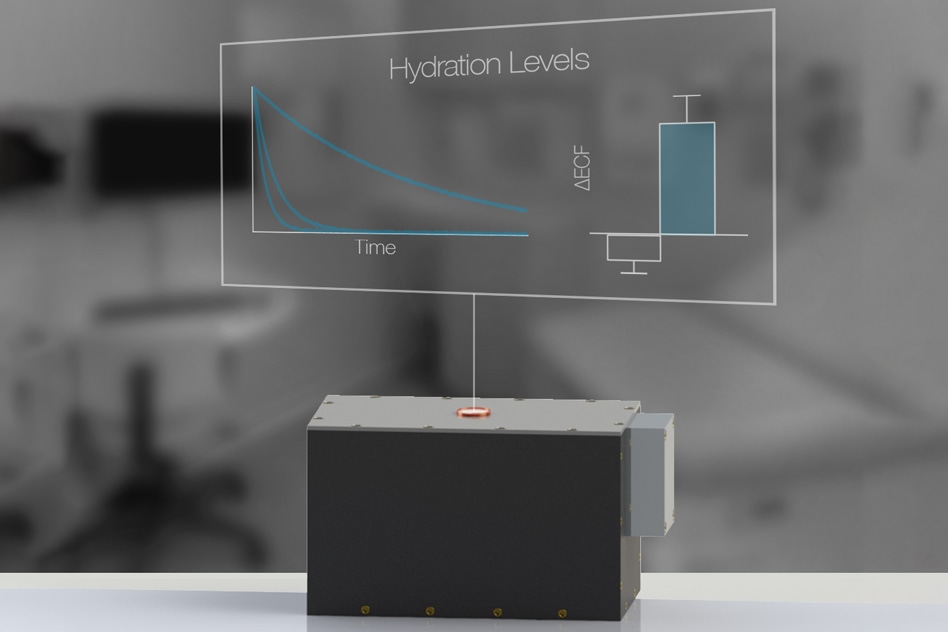
A present, no easy and reliable method is available to determine hydration levels in such patients, who number about half a million in the U.S. Conversely, a research team from Massachusetts General Hospital and MIT has designed a new, portable sensor that can precisely determine the hydration levels of patients using a method called nuclear magnetic resonance, or NMR, relaxometry.

A device like that would be useful for dialysis patients and also for people suffering from congestive heart failure. The device can also benefit athletes and elderly population who may be at risk of becoming dehydrated, stated Michael Cima, the David H. Koch Professor of Engineering in MIT’s Department of Materials Science and Engineering.

There’s a tremendous need across many different patient populations to know whether they have too much water or too little water. This is a way we could measure directly, in every patient, how close they are to a normal hydration state.

Michael Cima, Study Senior Author and Member of Koch Institute for Integrative Cancer Research, MIT

While the new device is predicated on the same technology as MRI (magnetic resonance imaging) scanners, it can achieve measurements in relatively less time and at a fraction of the cost of MRI. This is because imaging is not involved in this process.

The lead author of the paper is Lina Colucci, a former graduate student in health sciences and technology. The study has been reported in in the July 24th, 2019 issue of Science Translational Medicine.

Other study authors include MIT graduate student Matthew Li; MGH nephrologists Andrew Allegretti, Kristin Corapi, and Herbert Lin; MGH research fellow Xavier Vela Parada; Harvard Medical School assistant professor in radiology Matthew Rosen; and MGH Chief of Medicine Dennis Ausiello.

Hydration Status

Cima started working on this study around a decade ago, after he came to know that there was an urgent need for a noninvasive ad precise method to determine hydration levels. At present, the existing techniques are subjective, invasive, or inconsistent. Most often, physicians assess overload (hypervolemia) by several physical signs like assessing the jugular vein size, examining the ankles where water may collect, or pressing on the skin.

The MIT researchers decided to go for an entirely different technique, predicated on NMR. Earlier, Cima had established a company, known as T2 Biosystems, that utilizes tiny NMR devices to diagnose bacterial infections by examining blood samples of patients.

Cima later devised an idea to apply the devices to determine water content in tissue, and several years ago, the team received a grant from the MIT-MGH Strategic Partnership to conduct a minor clinical trial for tracking hydration. The researchers examined patients with end-stage renal disease who frequently underwent dialysis and also healthy controls.

One major objective of dialysis is to remove fluid from patients and bring them to their “dry weight”. Dry weight is the weight at which the fluid levels of patients are improved. However, it is very difficult to determine a patient’s dry weight. As such, dry weight is estimated by physicians based on physical signs and also via trial-and-error over many dialysis sessions.

The MIT/MGH research team demonstrated that quantitative NMR, which operates by determining a trait of hydrogen atoms known as T2 relaxation time, can enable relatively more precise measurements. The T2 signal determines the environment as well as the amount of hydrogen atoms, or water molecules, present.


The beauty of magnetic resonance compared to other modalities for assessing hydration is that the magnetic resonance signal comes exclusively from hydrogen atoms. And most of the hydrogen atoms in the human body are found in water molecules.

Lina Colucci, Study Lead Author and Former Graduate Student, Health Sciences and Technology, MIT

The investigators applied their new device to determine the level of fluid in patients both before and after they went through dialysis. The outcomes demonstrated that this method can possibly differentiate healthy patients from those requiring dialysis with just the initial measurement. Moreover, the measurement precisely demonstrated dialysis patients reaching closer to a usual hydration state over the duration of their therapy.

Additionally, the NMR measurements successfully detected the presence of surplus fluid within the body before conventional clinical signs—for example, the accumulation of visible fluid under the skin—were present. Doctors can use the sensor to establish when a patient has approached his or her actual dry weight, and this determination can be personalized during every dialysis treatment.

Better Monitoring

The scientists are now planning to conduct more clinical trials with dialysis patients. They believe that dialysis, which presently costs the U.S. over $40 billion per annum, would be one among the largest applications for this kind of technology. Such a monitoring can also prove useful for patients suffering from congestive heart failure, which impacts around 5 million people in the U.S, alone.


The water retention issues of congestive heart failure patients are very significant. Our sensor may offer the possibility of a direct measure of how close they are to a normal fluid state. This is important because identifying fluid accumulation early has been shown to reduce hospitalization, but right now there are no ways to quantify low-level fluid accumulation in the body. Our technology could potentially be used at home as a way for the care team to get that early warning.

Michael Cima, Study Senior Author and Member of Koch Institute for Integrative Cancer Research, MIT

According to Sahir Kalim, a nephrologist and assistant professor of medicine at Massachusetts General Hospital, the MIT approach is “highly novel.”

“The development of a bedside device that can accurately inform providers about how much fluid a patient should ideally have removed during their dialysis treatment would likely be one of the most significant developments in dialysis care in many years,” stated Kalim, who was not part of the research. “Colucci and colleagues have made a promising innovation that may one day yield this impact.”

In their analysis of the healthy control subjects, the investigators also observed that dehydration can possibly be detected. This would render the device handy for tracking elderly population, who usually become dehydrated since their sense of thirst reduces with age, or athletes participating in endurance events, including marathons. The team is now planning some upcoming clinical trials so as to test the capability of the novel technology to identify dehydration.

The study was funded by the MGH-MIT Strategic Partnership Grand Challenge, the Air Force Medical Services/Institute of Soldier Nanotechnologies, the National Science Foundation Graduate Research Fellowships Program, the National Institute of Biomedical Imaging and Bioengineering, the Koch Institute Support (core) Grant from the National Cancer Institute, and Harvard University.

Sunday, July 21, 2019

Expanding Home Dialysis, Push to Extend Medicare Coverage of Transplant Drugs, Improving Policy for Kidney Health

Kidney Dialysis

From Wall Street Journal, By Anna Wilde Mathews
CVS Begins Clinical Trial for Home-Dialysis Device

CVS holds exclusive U.S. rights to the HemoCare device, which was designed by the firm of Dean Kamen, the Segway inventor. PHOTO: CVS HEALTH


CVS Health Corp. CVS is making an ambitious move into kidney care, launching a clinical trial for a new home-dialysis device designed by the firm of Dean Kamen, the Segway inventor.

The company is delving into unusual territory for a drugstore and health insurer. The plan will make it a medical-device firm and a provider of dialysis, the complex blood-cleansing procedure vital to patients suffering from kidney failure. CVS holds exclusive U.S. rights to the HemoCare device, which was created by Mr. Kamen’s firm, Deka Research & Development Corp.


CVS will work to capitalize on an initiative announced last week by the Trump administration, which wants to move more dialysis into the home, rather than dialysis centers, where most U.S. patients currently get the procedure. Dialysis is covered by Medicare, including for patients under the age of 65. The care of patients with end-stage renal disease is a major cost for the program, amounting to around $35 billion in 2016, or roughly 7% of total spending under traditional Medicare.

The Department of Health and Human Services said increased use of home dialysis could reduce costs and “preserve or enhance the quality of care.”

Alan Lotvin, executive vice president at CVS, said the company is making a broader push into care for patients with kidney disease, including managing the care of those who aren’t yet eligible for dialysis. CVS plans to offer home dialysis services, both using the new device and a different method known as peritoneal dialysis, but it doesn’t expect to perform dialysis in its own facilities or stores, he said. The new device is expected to be leased or sold to other providers, he said.

“We think that this is a really important step forward for the care of patients,” Dr. Lotvin said.

CVS said the clinical trial of the HemoCare device focuses on demonstrating its safety and efficacy and winning approval from the Food and Drug Administration. The trial is expected to enroll approximately 70 patients throughout the country. It will compare the results for the device when it is operated by a nurse with what happens when the dialysis is performed at home by the patient and a partner. CVS said the trial is expected to be completed around the end of 2020, and the company aims to have the device in the market in late 2021.

“We’ve gone to extraordinary lengths to build safety systems focused on the idea that the device will be used by a patient” in the home, said Mr. Kamen, who is known as the inventor of the Segway electric two-wheeled people mover but has also helped create an array of other devices, several in the health-care category. He said the new home-dialysis device is designed to be simple and intuitive to operate.

CVS declined to comment on financial details of its deal with Deka. Mr. Kamen said that CVS helped fund the development of the device, and Deka will be paid a licensing fee based on “how successful they are in the marketplace.” Deka will oversee the device’s manufacturing, he said.

Kidney care is part of CVS’s effort to become a health-care provider for people with chronic conditions, a touchstone of its nearly $70 billion deal to acquire insurer Aetna Inc.

CVS is under pressure to show financial benefits and paths to growth tied to the deal, and its shares have been languishing in recent months after the company issued earnings projections for the year that fell short of investor expectations.

Dialysis patients often have multiple health problems, making their care far more complex than the types of procedures traditionally offered in retail clinics.

In entering the dialysis business, CVS will be taking on DaVita Inc. and Fresenius Medical Care North America, a subsidiary of a German company, which dominate the U.S. dialysis market. DaVita and Fresenius, which themselves offer home-dialysis options, have longstanding ties to kidney-care doctors who oversee the care of patients, analysts said.

“Nephrologists are everything,” said John Ransom, an analyst at Raymond James. “They’re the gatekeeper to where you go and what your plan of care is.”

Dr. Lotvin said CVS is well-positioned to compete in kidney care, pointing to the new technology of the device and its lack of the fixed cost of a center network, as well as relationships with health-care payers.


Kidney Transplant

From NPR, by JONEL ALECCIA

Lawmakers, Advocates Push To Extend Medicare's Coverage Of Kidney Transplant Drugs


On Wednesday, Alexis Conell will mark seven years since she received the kidney transplant that saved her life, but the 53-year-old Chicago woman isn't exactly celebrating.

Although the federal government paid most of the costs for her 2012 transplant, a long-standing Medicare policy halted coverage three years later for the drugs that keep her body from rejecting the organ.

So when Conell lost her job suddenly last September, she also lost her health insurance — and her ability to afford the 16 daily medications she needs to survive.

"I was terrified," she says. "All you're thinking is, 'I don't want to lose my kidney.'"

For nearly a half-century, Medicare has covered patients, regardless of age, who have end-stage renal disease, including paying the costs of kidney transplants and related care, which run about $100,000 per patient.

But coverage ends after 36 months for those younger than 65 who don't otherwise qualify for the program — and that includes payment for the vital immunosuppressive drugs that cost thousands per patient each month.

Last week's announcement of the Trump administration's overhaul of kidney care in the U.S. has reanimated an effort by a group of federal lawmakers and kidney care advocates to extend drug coverage.

"After a transplant, patients should not have to worry about whether they can afford the treatment needed to keep their transplanted kidney," Rep. Ron Kind, D-Wis., said in a statement.

For years, Kind has been among a bipartisan coalition in Congress championing legislation targeting kidney immunosuppressive drugs — to no avail.

The sticking point was price. A 2009 estimate by the Congressional Budget Office pegged the cost at $400 million over 10 years if the government were to extend lifetime drug coverage to those patients.

Two recent federal projections show that Medicare could actually save money — between $73.4 million and $120 million over a decade — by expanding payment for anti-rejection medications to help decrease the need for patients to get additional transplants or dialysis. Depending on financing, savings could reach $300 million in that period, suggested an estimate by the Centers for Medicare & Medicaid Services.

Armed with this data, the bipartisan coalition, led by Kind and Rep. Michael Burgess, R-Texas, a physician, is expected to introduce legislation by August that would narrowly extend Medicare's Part B program to provide drug coverage for kidney transplant patients who have no other option.

"We must ensure patients have access to immunosuppressant coverage to ensure the success of their transplant, which will keep costs down by decreasing the need for a re-transplant or further dialysis," said Kind.

Sens. Richard Durbin, D-Ill., and Bill Cassidy, R-La., are poised to introduce their own legislation, sources told KHN on background.

The efforts in Congress will hinge on whether the CBO agrees that paying for the medication would save the government money, advocates say. Even the new estimates by CMS suggest that changing the program would increase costs initially, with savings apparent only after a decade.

Dr. Emily Blumberg, president of the American Society of Transplantation, says there appears to be high-level support for change now. In championing the overhaul of U.S. kidney care policy, HHS Secretary Alex Azar has cited a personal tie, noting that his father suffered from kidney failure and received a transplant in 2014.

Azar said during the announcement last week that the Trump administration is supportive of the legislative efforts. "We are hoping Congress will work together with us to relieve that time limit so that we can support patients on immunosuppressants over the long term," he said.

On a call with reporters on Wednesday, Tonya Saffer, vice president for health policy at the National Kidney Foundation said that with the administration's backing, they're hopeful that this legislation might finally go somewhere. A key next step is analysis on what it would cost or save from the Congressional Budget Office. "There is a CBO score forthcoming," she said. "The legislation still needs to be introduced, but I know that the members are working with the Congressional Budget Office to score that legislation."

Nearly 100,000 patients are waiting for kidney transplants in the U.S. and about 10 people die each day because of an ongoing shortage of organs.

More than 56,000 Americans with functioning kidney transplants don't have Medicare coverage, according to data from the U.S. Renal Data System. About two-thirds pay for their medications through private insurance, Medicaid or other government programs, experts said.

But about one-third of those patients may have no other source of drug coverage, which can lead to missed doses, jeopardizing their new kidneys. A 2010 study found that nearly 70% of U.S. kidney transplant programs reported deaths or organ losses directly related to the high cost of anti-rejection drugs.

If Medicare drug coverage had been extended in 2015, it would have averted at least 375 kidney transplant failures that year alone, the latest analysis showed.

When transplants fail, patients can die — or they must return to dialysis — paid for by Medicare at a cost of about $90,000 per year, with a poor prognosis.

"It's a no-brainer that you should do this both from a moral and ethical and, now it sounds like, cost perspective," says Dr. Robert Gaston, a nephrologist at the University of Alabama-Birmingham who co-authored a call for coverage in an Institute of Medicine report two decades ago.

Conell battled end-stage renal disease for years before receiving her kidney transplant. When she lost her job abruptly last fall, she had to cancel scheduled medical appointments and lab tests.

She drained her savings, then nearly ran out of medication before she found a pharmaceutical firm program that provides the drugs she needs at a deep discount.

"If I had to pay full price for them, it would easily be $3,000 or more per month," Conell says.

When her unemployment benefits ended in April, Conell qualified for Medicaid, which covers her drugs for now. The stress has been unrelenting, says Conell, who spent a day last week in the emergency room with dangerously high blood pressure.

"I was trying to look for a job, worried about paying my bills. Ultimately, I'm worried about losing my kidney," she says, adding that the long-delayed legislation could solve the problem. "I think they should pass it, like, yesterday."


Kidney Health Policy

From JDSupra

President Trump Issues Executive Order Aimed at Kidney Health in America


On July 10, 2019, President Trump issued an Executive Order on Advancing American Kidney Health aimed at reducing the number of patients developing kidney failure, having fewer Americans receiving dialysis in dialysis centers, and making more kidneys available for transplant (the Order). The Order calls on the Secretary of HHS to, among other things, develop a payment model designed to identify at-risk patients earlier in disease development and increase home dialysis and kidney transplants. The Order also tasks the Secretary to reform regulations regarding the evaluation metrics for Organ Procurement Organizations (OPOs). These steps, and others, are set to roll out as early as 30 days from the Order.

The Order’s policy initiatives are three-fold. The first goal is to “prevent kidney failure whenever possible through better diagnosis, treatment, and incentives for preventive care.” The second is to “increase patient choice through affordable alternative treatments for end stage renal disease (ESRD) by encouraging higher value care, educating patients on treatment alternatives, and encouraging the development of artificial kidneys.” The third initiative is to “increase access to kidney transplants by modernizing the organ recovery and transplantation systems and updating outmoded and counterproductive regulations.” A press release by HHS added specifics to the President’s goals:

  • Reducing the number of Americans developing end-stage renal disease by 25 percent by 2030;
  • Having 80 percent of new ESRD patients in 2025 either receiving dialysis at home or receiving a transplant; and
  • Doubling the number of kidneys available for transplant by 2030.

HHS is tasked with developing new payment models and initiatives to implement the Order. Specifically, the Secretary is called upon to launch several initiatives to promote kidney disease awareness and support research regarding prevention and treatment. The Secretary shall also develop a payment model to test innovations in compensation for providers of kidney care services based on kidney patient cost and quality outcomes, with a focus on delaying or preventing the onset of kidney failure, preventing unnecessary hospitalizations, increasing the rate of transplants and creating incentives to provide care for Medicare beneficiaries who have advanced stages of kidney disease but who are not yet on dialysis. The Secretary shall also select a payment model incentivizing greater use of home dialysis and kidney transplants for Medicare beneficiaries on dialysis.

According to HHS’s press release, the Center for Medicare & Medicaid Innovation (CMMI) has responded to the Order by releasing a set of four optional payment models, expected to enroll more than 200,000 Medicare patients in arrangements that give providers new incentives for preventing kidney disease and managing kidney patients’ health in a more comprehensive and person-centered way. To provide more options for people with kidney failure, CMMI also announced a required payment model, known as ESRD Treatment Choices, which will enroll all dialysis providers in approximately half of the country and provide new incentives to encourage dialysis in the home.

The Order also forecasts regulatory changes for OPOs—the organizations responsible for working with hospitals to help place donor organs for transplant. The Order requires the Secretary to issue regulations and evaluation metrics to establish more transparent, reliable, and enforceable objective metrics for evaluating an OPO’s performance. Additionally, the Secretary is charged to streamline and expedite the process of kidney matching and delivery to reduce the discard rate by removing process inefficiencies in matching and delivery that result in delayed acceptance by transplant centers.

Additionally, the Order calls for the Secretary to consider requests for premarket approval of wearable or implantable artificial kidneys. This step is designed to encourage development and cooperation between developers and FDA, as well as produce a strategy to encourage innovation in new therapies through the Kidney Innovation Accelerator (KidneyX), a public-private partnership between HHS and the American Society of Nephrology.

Finally, the Secretary shall propose a regulation to remove financial barriers to living organ donation by expanding the definition of allowable costs that can be reimbursed under the current program. Proposals would include raising the limit on the income of donors eligible for reimbursement under the program, allowing reimbursement for lost-wage expenses, and providing for reimbursement of child-care and elder-care expenses.