Sunday, November 26, 2017

Kidney Donation by Tri-athlete, An 8 Person Gift of Life Chain

Kidney Donation

From The Bellingham Herald, via Bend, Oregon

Kidney donation doesn't stop Bend triathlete from competing


Greg Sabin isn't afraid to admit it. He's not exactly the most patient person. So when his doctor told him it'd be at least six weeks after he donated a kidney before he could crank up his workout routine to its usual intensity, he wasn't thrilled.

"I want to be good as gold straight out of the gate," said the 56-year-old Bend resident. "I never really had surgery before, so I didn't really know what to expect."

Sabin didn't swim for a while. He kept his runs short and not too fast. Then, exactly five months after the surgery, he completed a triathlon in Sunriver: a 1.2-mile swim, 58-mile bike ride and 13-mile run.

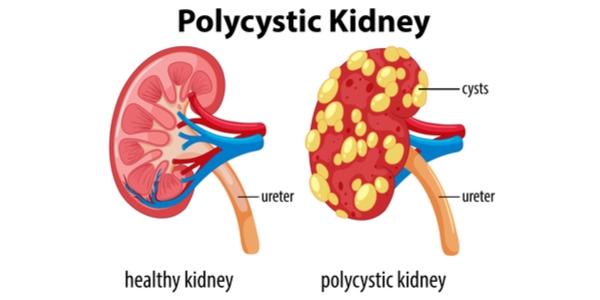
In January, Sabin donated one of his kidneys to his wife, Stacey, who has a genetic condition called polycystic kidney disease. It causes water-filled cysts to crowd the kidneys and liver, eventually impairing their function. Both of their recoveries have gone smoothly.

Now that Sabin is back in his normal routine — not to mention training for another triathlon — he hopes his experience can be a lesson for others who are hesitant about kidney donation, perhaps fearing it will hamper their athletic performance.

"There was never even a second that I thought that I would accept being less active than I was before," he said, "and I still won't."

Transplant specialists say there's no reason living kidney donors can't continue being competitive athletes, including running in marathons or even ultramarathons.

Dr. Charles Modlin, a kidney transplant surgeon with the Cleveland Clinic, said that's an important message to get out, as living donors are crucial. Not only are there not enough kidneys to go around from deceased donors, transplants from living donors typically have the best outcomes.

"There are a lot of misconceptions that if you donate a kidney, you can't live out your life normally, and you're going to be infirm," Modlin said. "That's just not the case."

'Drink to thirst'

There are, however, important caveats to consider.

Dr. Kayvan Roayaie, an assistant professor of surgery in the division of abdominal organ transplantation at Oregon Health & Science University, said after someone donates a kidney, it's "critically important" to preserve their remaining kidney function.

That means if people plan to engage in intense exercise, they should make sure they're staying hydrated and allowing time for their incisions to heal. Roayaie, who removed Sabin's kidney, said he typically counsels people to wait at least six weeks before vigorous exercise to allow the scar over the abdominal wall — where the surgeon enters to remove the kidney — to develop adequate scar tissue.

Working those muscles too hard before the incision heals enough can lead to hernias, which is when an organ pushes through an opening in the muscle that holds it in place. Abdominal hernias are the most common type.

Sabin said he's noticed he's had to drink more water after the surgery compared with before to avoid cramping during exercise. He also drinks more water over the course of a normal day.

Doctors interviewed for this article said they don't necessarily recommend kidney donors increase their water intake beyond normal, unless they were dehydrated before the surgery. In follow-up exams, Roayaie said doctors will check the moisture of donors' mucous membranes and the turgor of their skin.

After someone donates a kidney, the remaining kidney actually enlarges to compensate and provides between 70 to 80 percent of the total function both kidneys previously contributed together, Modlin said.

"So they don't have to drink an excessive amount of fluid," he said. "Just drink to thirst."

'Extreme stress on the body'

One of the big differences Sabin said he noticed between the triathlon he performed in June and previous races was his energy level wasn't as high as it used to be. As a result, his time was slower than he would have liked.

Fatigue is almost a universal experience for kidney donors, Roayaie said. Typically, they're back to their usual energy levels about a month after the surgery.

"Surgery, even for a healthy person, is an extreme stress on the body," Roayaie said. "The body is pouring a lot of that energy into healing and creating new scar tissue, and that all of that contributes to the fatigue."

As far as completing a triathlon five months after the surgery, Roayaie said he's not surprised Sabin noticed the effects. There are still changes happening in the body within the first year after donation, he said.

It takes four to eight months for the remaining kidney to enlarge to compensate for the missing one, so it's possible that put a damper on Sabin's performance, Modlin said. It could also be he wasn't able to train as hard as he usually does, he said.

"It's remarkable that he was able to do it," Modlin said.

OHSU performs extensive testing on living donor candidates to ensure their bodies can handle the shock. Diabetes and hypertension are the most common conditions that disqualify people from donating, Roayaie said.

Before he was approved to donate, Sabin said doctors were alarmed by his scores on some of their tests. When his heart rate came up as 43, for example, they suspected a heart condition. He was able to convince them that's just his normal resting heart rate.

"They didn't know what to do with it," he said.

Risk low, but not zero

While extensive research has been done on how transplant recipients fare after getting a new kidney, less is known about living donors.

The United Network for Organ Sharing, a nonprofit organization that manages the nation's organ transplant system through a contract with the federal government, requires all transplant centers, like those at OHSU and Cleveland Clinic, for example — to follow up with living organ donors for at least two years. Hospitals are required to send UNOS data on donors' kidney function and whether they had any hospitalizations, organ failures or deaths. Providing the information is voluntary on the patient end.

The risk to donors is low, but it's not zero, said Dr. David Klassen, UNOS' chief medical officer. In the same way as getting one's appendix removed, there's always a small risk of death. For kidney donors, the risk of death is about three in 10,000 people, he said. Another roughly 30 in 10,000 people develop kidney failure after donating a kidney.

"That's fairly small," said Klassen, also a nephrologist. "But again, there have been lots of living donors over the years. To the extent we've been successful in collecting that information, we have a fairly solid understanding of what the risks are."

A partner organization to UNOS, the Scientific Registry of Transplant Recipients, is creating a living donor registry in hopes of tracking donors longterm.

'You can still participate'

For her part, Stacey Sabin said with a laugh that getting her husband's kidney hasn't motivated her to get out and do a triathlon. Her goal for 2018 is to exercise more.

"I live with an Ironman, so I hear it all the time," she said, referring to the Ironman competitions her husband has participated in.

Insomnia is one of the side effects of the medications she takes to prevent her body from rejecting the kidney, so gathering the energy to exercise has been a challenge. She relies on Facebook groups and other online networks to learn about other people's post-transplant experiences. She's been relieved to learn her side effects are normal.

As for her husband, he's in the throes of training for a half-Ironman competition in St. George, Utah, in May, the same one he did in 2014. His goal is to match his 2014 time. The paved course, which features steep hills carved into the red rock canyon, is the toughest he's ever done.

"I'd like to bring awareness to the fact that you can still participate — and hopefully somewhat competitively — in this stuff after such a thing," he said.


From U.S. News and World Report, By Michael Morella, Staff Writer

U.S. News Sits In as Surgeons Carry Out an 8-Person Kidney Exchange

Four people received new leases on life via the transplant 'chain' at Chicago's Northwestern Memorial Hospital.


Four Chicago-area residents needed kidney transplants but did not have matching donors. At Northwestern Memorial Hospital, they got the organs the required from willing strangers through a kidney transplant chain. (BRETT ZIEGLER FOR USN&WR)


Today, Kevin Condreva will receive a new kidney at Northwestern Memorial Hospital. All told, his transplant will involve surgery on eight people.

Condreva, 22, and his aunt, Donna Spans, 63, are two links in a transplant "chain" that by the end of the day tomorrow will give a new lease on life to four people from the Chicago area. Condreva is actually undergoing his second transplant; he was just 15 when he first noticed blood in his urine and was diagnosed with IgA nephropathy, a common kidney disease that damages the organ's ability to filter waste from the blood. When he was 17, his mom was his donor, but the disease came back. That kidney failed, too.

Spans, who is not a match for her nephew, undergoes surgery here as well – ready to trade one of her kidneys to a stranger so that Condreva can receive one from another stranger and be freed from nightly dialysis. She and the other members of the group won't know who donates to whom as they head into surgery, but Spans' kidney will go to Patricia Tripolitakis, 51, who has polycystic kidney disease. Her husband, Leo, 51, is donating to Lee Jenkins, 53, whose wife, Lorretta, 46, is giving a kidney to Steven Boone, 46. Condreva's donor, a good Samaritan who prefers to remain anonymous, turned up as a match for him just a few weeks earlier and set the chain in motion. Later, Maggie Swanson, a friend of Boone's who wanted to help him but wasn't a match, will donate a kidney to someone else in need – potentially starting a new chain.

Such "paired exchanges," first performed in the U.S. at Rhode Island Hospital in 2000, have taken off in the last seven years or so as a way to shorten what can otherwise be a long wait for a healthy kidney. Some 97,000 people are now on the waiting list maintained by the United Network for Organ Sharing, a nonprofit that manages the federal organ transplant system; the average wait time is generally about three to five years. That's too long for many people: About 12 die each day as they hope for a kidney to turn up. A swap like this one effectively fast-tracks the process. At Northwestern, the period between joining the exchange program and surgery typically varies from about two to six months depending on the difficulty of matching.

Today, 20 to 30 percent of living donor kidney transplants here are done through the paired exchange program, mostly in four- to eight-person swaps. Each week, clinicians run a computer program to explore potential matches from among the incompatible pairs in the system. "There are actually multiple potential solutions that we can look through," says John Friedewald, a transplant nephrologist and medical director of the kidney transplant program. Northwestern also participates in the UNOS kidney paired donation program, which includes roughly 250 paired donors and candidates across the country. The National Kidney Registry, another nonprofit organization, facilitates hundreds of exchanges a year nationwide. In 2015, the NKR organized the longest swap to date, a 70-person chain involving teams at 26 hospitals.

By about 7:30 a.m. on the morning of the surgery, Condreva's donor and Spans are in separate operating rooms. Surgeons use a minimally invasive approach, making a series of incisions about the size of a centimeter through which they insert instruments and a tiny camera to guide their work; the kidneys are extracted through a slightly larger cut. The minimally invasive technique has "made the idea of donating a less scary undertaking" because it's safer than open surgery and recovery is much more rapid, says Joseph Leventhal, who directs the kidney and pancreas transplant programs and is performing several of this week's procedures.

By late morning, Condreva and Patricia Tripolitakis are sedated and in the OR. Their surgeons make a long incision across their lower abdomens and patch each new kidney into its blood supply and the ureter, the tube that moves urine from the kidney to the bladder. Before long, the transplanted organs are working fine. Later that day, Condreva and Tripolitakis are up and moving gingerly around the hospital floor.

A match depends largely on blood type and the presence of antibodies, proteins in a recipient's immune system that guard against foreign viruses and bacteria and can cause the system to reject a kidney even from a donor whose blood type matches. Such was the case for Condreva and Spans, who both have Type A blood and initially were a match. They became incompatible because Condreva developed resistance to his aunt – likely a result of several blood transfusions and the transplant from his mom, Patricia, who is Spans' sister. [Read more]

Sunday, November 19, 2017

PKD Impact Scale, Artificial Kidney Update, Tesevatinib Phase 2 Clinical Trial

Artificial Kidney

From Wonderful Engineering, by Ali Vaqar


It is estimated by The National Kidney Foundation that over 100,000 patients are on the waiting list for kidney donors. A further 3,000 names are added to the list every year. An average patient has to wait for 3.6 years for a viable transplant. The patients are treated with dialysis while they are waiting for a transplant and only one in three patients survive for more than five years without a transplant. All that could change as scientists have developed the world’s first artificial kidney.

This bio-hybrid uses living kidney cells along with a series of specialized microchips powered by the human heart to filter waste from the blood-stream. The artificial kidney can bypass the complication of matching donors and tissue rejection. To address this unmet need, William Fissell from Vanderbilt and Shuvo Roy from the University of California, San Francisco (UCSF) launched The Kidney Project.

“We can leverage Mother Nature’s 60 million years of research and development and use kidney cells that fortunately for us grow well in the lab dish, and grow them into a bioreactor of living cells,” explained Fissell in a recent article published by Research News Vanderbilt. Fissel claims that it can reliably distinguish between waste chemicals and the nutrients that need to be reabsorbed by the body.

The artificial kidney can be inserted into the body by a common surgery and has been proved to work efficiently. This kidney has several microchips which are controlled by the heart and removes the toxins from the blood the same way a normal kidney does.

The artificial kidney has 15 microchips built one atop the other and they act as filters. They will hold living renal cells which will eventually grow around the microchips and mimic a real kidney. Engineers are currently working and testing every single detail of the device to make sure the device can safely let the blood run through without the formation of clots or damaging the kidney in any way.

This solution has been working so far and the rejection rate has been zero. The human trials are yet to commence but the research shows promising results and everybody is hoping it might eliminate the need for dialysis.


Slight changes to the system for allocating deceased-donor kidneys could result in higher rates of organ procurement and lead to more kidney transplants across the country, according to new research co-authored by an Indiana University Kelley School of Business professor.

"Any increase in supply will result in saved lives," said Rodney P. Parker, an associate professor of operations management at Kelley. "The lists of patients awaiting a kidney transplantation are lengthy and growing. Many of these patients undergo expensive and inconvenient dialysis treatment while waiting."

Parker and three other researchers studied three risk factors that explain the geographic differences in procuring deceased-donor kidneys across the United States: organ quality, the median wait time for donation and the degree of competition between transplantation centers in the area.

They found an expected annual increase in procured organs ranges from 58 (an increase of 0.5 percent of all procured kidneys) to 174 (an increase of 1.2 percent), depending on regional or national sharing.

In 2015, 87,538 patients with end-stage renal disease died while on dialysis (16.3 percent of all dialysis patients are awaiting kidney transplants), and 18,805 kidney transplantations were performed that same year. The majority, 13,132, came from cadaveric donors.

More than 100,000 people are waiting for a kidney transplant in the U.S, with more than 3,000 patients added to the list each month, according to the National Kidney Foundation.

This study, which appears in the journal Production and Operations Management, is among the first to consider how to increase the supply of procured kidneys, rather than changing demand or considering different ways of allocating a fixed supply.

The researchers analyzed the effects of a 2014 policy change that allows lower-quality kidneys—considered the bottom 15 percent of available organs—to be immediately offered more widely in a region without seeking patients only in the local area.

They found that expanding the geographic range also could save lives of many who currently are less likely to receive a kidney based on where they live.

"The increase in supply is induced by the disparity in patient waiting times across different geographies," Parker said. "Thus, patients in areas with longer waiting times will benefit from this increase without adversely affecting the waiting times in the source areas. Overall, the gap in median waiting times between areas will narrow."

Parker and his colleagues concluded that transplant candidates living in less-populated areas may be more selective about the organ quality because waiting times are relatively short.

"When some cadaveric kidneys of lower quality become available, these kidneys may not be procured since the local patients can simply wait a short period for a superior quality kidney," he said. "However, those lower-quality kidneys would be highly sought in other areas where the waiting times are much longer, such as in California and New York.

"Patients already at the top of the list in the more congested areas (which have longer median waiting times) will already likely have a short time for the next available kidney, so they will likely not accept a poorer quality kidney," he added. "However, someone who is further down the list in these areas may recognize that they face a lengthy wait and be willing to accept such a kidney rather than face the grim prospect of a four-hour dialysis treatment three times per week, not to mention the expense and diminished health."

Cadaveric kidneys are initially made available to those living in one of 58 donor service areas around the country, before being then offered to those in a broader region of several donor service areas and, finally, nationally. Competition among 272 transplant programs across the country also contributes to outcomes.

Fourteen of the 58 donor service areas offered 129 or fewer kidneys in 2009, so if some organs are shared more broadly, then the expected increase in transplants could represent the addition of a small- to medium-sized donor service area. [Read more]


Living with PKD

From American Journal of Kidney Diseases

Development of the Autosomal Dominant Polycystic Kidney Disease Impact Scale: A New Health-Related Quality-of-Life Instrument

Portions of full article.

Background
The impact of autosomal dominant polycystic kidney disease (ADPKD) on health-related quality of life (HRQoL) is not well understood due to a lack of instruments specific to the condition.

Study Design
Content for a new self-administered patient-reported outcome (PRO) questionnaire to assess ADPKD-related HRQoL was developed through clinical expert and patient focus group discussions. The new PRO instrument was administered to study patients with ADPKD to evaluate its reliability and validity.

Setting & Participants
1,674 adult patients with ADPKD participated in this research: 285 patients in focus groups to generate questionnaire content, 15 patients in debriefing interviews to refine the PRO questionnaire, and 1,374 patients to assess the performance and measurement properties of the PRO questionnaire.

Outcome
A new PRO questionnaire.

Results
The ADPKD Impact Scale (ADPKD-IS), consisting of 14 items representing 3 conceptual domains (physical, emotional, and fatigue) plus 4 additional questions, was developed. The instrument’s reliability (regarding internal consistency and test-retest consistency) and validity (content and construct) were supported.

Limitations
Need for more responsiveness testing when more data from clinical use become available over time. Complex concepts such as ADPKD-related pain and impact on a patient's HRQoL need further evaluation.

Conclusions
The ADPKD-IS is a new patient-centric tool that reliably and validly provides a standardized method for assessing HRQoL and overall disease burden in patients with ADPKD.


Discussion
At the outset of our research, we were faced with discrepant reports of disease burden in ADPKD and its onset based on literature and physician reports versus anecdotal reports through patient foundations and patients. This discrepancy was also observed in the feedback from clinical experts, who may not be aware of patients’ early concerns due to the very intermittent visit schedules in the earlier disease stages, and patients, who may not bring concerns to physicians because they have adjusted to the disease impact on their lives and experiences with trivialization of these concerns by physicians.9 Lack of patient-centric tools to assess ADPKD-related disease burden has led to a knowledge gap for disease stages, giving the impression that the burden of patients with ADPKD is no different from that of the general population (Fig 4).9, 12, 19 New initiatives for further understanding of priorities for different stakeholders, including patients, caregivers, physicians, and researchers (such as Standardized Outcomes in Nephrology [SONG]), have been initiated since we started our research, but to date, they focus on other areas in nephrology, and ADPKD-specific outcome measures have yet to emerge.

The ADPKD-IS is a new tool with support for its reliability (internal consistency and test-retest) and validity (content and construct). The ADPKD-IS is useful for assessing ADPKD-related disease burden across all CKD stages in a cross-sectional cohort, but also tracking disease burden long term.

The physical domain includes 5 items measuring impact on the ability to perform various activities and 2 items measuring impact of disease-associated pain on daily activities. Identification of 3 distinct types of pain led to retention of the existing pain questions as descriptive of the overall pain concept. However, we also proceeded to develop an additional questionnaire specific to ADPKD-related pain.36, 37 The fatigue domain assesses 3 specific features of ADPKD-associated fatigue: general fatigue, tiredness while driving, and fatigue after a good night’s sleep. Items within this domain exhibited higher intradomain correlations than interdomain correlations (Table S3). Therefore, fatigue among patients with ADPKD appears likely to encompass aspects of both emotional and physical burden. The emotional domain assesses the emotional impact of ADPKD via 3 concepts common to many instruments (acceptance, anxiety, and sadness) and a fourth disease-specific item (feeling full before appetite is satisfied).

The ADPKD-IS covers the entire range of health burdens associated with ADPKD across CKD stages in a single instrument, which is not the case for any other PRO instruments. All items were non-normally distributed, and most patients reported at the lower (less affected) end of the range, consistent with the natural history progression of the disease, for which hyperfiltration can compensate for the early loss of kidney tissue, leading to little change in kidney function until decades after birth.1, 2 Individual items also showed limited ceiling effects, indicating the ability of the ADPKD-IS to differentiate between health burdens as patients progress to later stages of the disease, in which HRQoL is more dramatically affected. Consistent with its predicted ability to assess HRQoL across the entire disease spectrum, the ADPKD-IS can show differentiation between disease stages with more sensitivity than general instruments.

Use of properly developed PRO instruments is a key element of drug development programs using patient-focused end points and for characterization of disease-specific burden with increasing importance given the 21st Century Cures Act requirements. We also see the ADPKD-IS as a tool for researchers and health care providers to better understand ADPKD-specific patient burden with potential use as a patient management tool in clinical practice. Access to the full US-English ADPKD-IS questionnaire, its user manual, and other language versions are available via Mapi Research Trust at https://eprovide.mapi-trust.org/.


PKD Research

From Business Wire

Kadmon Initiates Phase 2 Placebo-Controlled Clinical Trial of Tesevatinib in Autosomal Dominant Polycystic Kidney Disease

Kadmon Holdings, Inc. (NYSE:KDMN) today announced that the first patient has been dosed in a Phase 2 clinical trial of tesevatinib in autosomal dominant polycystic kidney disease (ADPKD), an inherited disorder that frequently leads to end-stage renal disease. Tesevatinib is the company’s tyrosine kinase inhibitor.

The randomized, double-blind, placebo-controlled trial builds on findings from Kadmon’s open-label, dose-finding Phase 2a study of tesevatinib in ADPKD, which demonstrated that the 50 mg once daily (QD) dose had an encouraging safety profile and was well tolerated in this population.

The new study is enrolling up to 100 patients, randomized 1:1 to receive tesevatinib 50 mg QD or placebo. The primary endpoint is the change from baseline in height-adjusted total kidney volume at 12 months.

In addition to the ADPKD trial, in September 2017, the first patient was dosed in Kadmon’s Phase 1 dose-finding clinical trial of tesevatinib in patients with autosomal recessive polycystic kidney disease (ARPKD), a rarer, more severe form of the disease affecting newborns and children. There are no FDA-approved therapies for ARPKD and there are no other candidates in clinical trials for ARPKD in the United States.

“Tesevatinib has been shown to inhibit molecular pathways central to the progression of PKD—mediated by its inhibition of the epidermal growth factor receptor (EGFR) and Src family kinases—and also accumulates in the kidneys, making it a promising therapeutic candidate for this disease,” said Harlan W. Waksal, M.D., President and CEO at Kadmon. “We are encouraged by the safety and tolerability findings from our open-label study, and the initiation of these trials signifies an important step in our effort to address this unmet medical need.”

Sunday, November 12, 2017

PKD Research: Phase 3 Trial shows Tolvaptan slows decline in kidney function

PKD Research

From Eureka Alert

New findings on tolvaptan as autosomal dominant polycystic kidney disease treatment


Vicente Torres, M.D., Ph.D., discusses new findings on tolvaptan as autosomal dominant polycystic kidney disease treatment

ROCHESTER, Minn. - A phase 3 trial studying the effects of tolvaptan has found that the drug slowed the rate of decline in kidney function in patients with the most common form of polycystic kidney disease, a condition with no cure. The results are published today in the New England Journal of Medicine.

Autosomal dominant polycystic kidney disease is an inherited condition that affects 1 in every 500 to 1,000 individuals in the U.S. This disease is found in all races and sexes.

Autosomal dominant polycystic kidney disease, which is the fourth most common cause of end-stage kidney disease, requires dialysis or kidney transplant.

The disease causes a slow but relentless growth of cysts that damage the kidneys. In addition to negatively affecting quality of life, the condition also causes hypertension and painful complications. The cysts, which can damage kidneys with their size, can develop in other organs, especially the liver.

Approximately half of individuals with autosomal dominant polycystic kidney disease eventually will require dialysis or kidney transplant by age 60. The results of the trial demonstrated tolvaptan's ability to intervene in a way that slows kidney function decline in this population.

"This is the first treatment that targets a mechanism that directly contributes to the development and growth of the kidney cysts in autosomal dominant polycystic kidney disease," says Vicente Torres, M.D., Ph.D., director of Mayo Clinic's Translational Polycystic Kidney Disease Center. "This in effect means it may delay the need for a kidney transplant or dialysis in patients with this disease."

As lead investigator of the trial, Dr. Torres is available for media interviews to discuss these findings and their significance for those facing autosomal dominant polycystic kidney disease.


From Medical Research.com

Vasopressin-Inhibitor Tolvaptan Reduces Kidney Function Decline in Polycystic Kidney Disease

MedicalResearch.com Interview with:

Vicente E. Torres, M.D., Ph.D.
Director of the Mayo Clinic Translational Polycystic Kidney Disease (PKD) Center

MedicalResearch.com: What is the background for this study? What are the main findings?

Response: Experimental work pioneered by Dr. Jared Grantham showed that cyclic AMP, an intracellular signaling molecule, promotes the development and growth of cysts. Vasopressin, a hormone produced by the pituitary gland, stimulates the production of cyclic AMP in the collecting ducts, from which most cysts derive in autosomal dominant polycystic kidney disease (ADPKD). While this effect of vasopressin is necessary for the kidneys to concentrate and reduce the volume of urine, it promotes the development and growth of cysts in patients with ADPKD. Dr. Vincent Gattone realized that inhibiting the action of vasopressin could be protective in polycystic kidney disease. Work in our and other laboratories confirmed that suppression of vasopressin production, release or action reduces cyst burden, protects kidney function, and prolongs survival in rodent models of the disease.

This experimental work provided a strong rationale for clinical trials of tolvaptan, a vasopressin V2 receptor antagonist. Tolvaptan reduced the rate of kidney growth in the TEMPO 3:4 trial, in patients with early ADPKD. It also reduced the rate of decline in kidney function, measured by the estimated glomerular filtration rate (eGFR), from 10.1 to 6.8 mL/min/1.73 m2 over three years. The eGFR benefit was maintained during two additional years when all the patients were treated with tolvaptan in an open label extension of the TEMPO 3:4 trial (TEMPO 4:4). Safety laboratory tests performed every four months showed elevations of liver transaminases in blood in 4.4% of tolvaptan and 1% of placebo-treated patients. Three of 1,271 tolvaptan-treated patients during TEMPO 3:4 and TEMPO 4:4 had evidence of potentially serious drug-induced liver injury. These abnormalities occurred all within the first 18 months of exposure to tolvaptan.

Based on the TEMPO 3:4 results, tolvaptan was approved for the treatment of rapidly progressive ADPKD in Japan, Canada, European Union, Switzerland and South Korea. In the United States, the Food and Drug Administration requested additional data to further evaluate the efficacy and safety of this drug. The REPRISE trial was performed to determine the efficacy and safety of tolvaptan in patients with later stage ADPKD.

What are the main findings?

Tolvaptan reduced the decline in eGFR from 3.61 to 2.34 mL/min/1.73 m2 over one year.
The effectiveness of tolvaptan in lowering the rate of decline in kidney function in REPRISE, in patients with later stage ADPKD (mean age 47 years, mean eGFR of 41 mL/min/1.73 m2), was similar to that previously observed in TEMPO 3:4 in patients with early stage ADPKD (mean age 39 years, mean eGFR 81 mL/min/1.73 m2).
The frequency of liver enzyme elevations was also similar, but there no cases of potentially serious drug inducer liver injury occurred in REPRISE, likely due to more frequent monitoring and earlier interruption or discontinuation of the drug.

MedicalResearch.com: What should readers take away from your report?

Response: The results of REPRISE in patients with later stage ADPKD, together with those of TEMPO 3:4 and TEMPO 4:4 over five years in early stage disease, show that tolvaptan is effective over a broad range of disease and may delay the need for dialysis or kidney transplantation.

Assuming that tolvaptan treatment would continue to slow the decrement in estimated eGFR by 1.27 mL/min/1.73 m2 per year, the time from an eGFR of 41 mL/min/1.73 m2 (average baseline eGFR in REPRISE) to CKD 5 (eGFR of mL/min/1.73 m2) would be extended from 6.2 years to 9.0 years. A larger benefit might be expected if treatment were started earlier.

MedicalResearch.com: What recommendations do you have for future research as a result of this study?

Post-marketing registries in the countries where tolvaptan has been approved for the treatment of ADPKD to confirm its long-term safety and effectiveness.
Research to understand the mechanisms of the liver toxicity and to test or develop similar drugs without this problem.
New tolvaptan formulations or combinations with other drugs to enhance its efficacy.
New pharmacological strategies targeting cyclic AMP signaling.

Sunday, November 5, 2017

PKD Treatment Research: Tolvaptan & Lixivaptan, New tissue-engineered blood vessel replacements

PKD Research

From New England Journal of Medicine

Vicente E. Torres, M.D., Ph.D., Arlene B. Chapman, M.D., Olivier Devuyst, M.D., Ph.D., Ron T. Gansevoort, M.D., Ph.D., Ronald D. Perrone, M.D., Gary Koch, Ph.D., John Ouyang, Ph.D., Robert D. McQuade, Ph.D., Jaime D. Blais, Ph.D., Frank S. Czerwiec, M.D., Ph.D., and Olga Sergeyeva, M.D., M.P.H., for the REPRISE Trial Investigators*

November 4, 2017DOI: 10.1056/NEJMoa1710030
Tolvaptan in Later-Stage Autosomal Dominant Polycystic Kidney Disease

Autosomal dominant polycystic kidney disease (ADPKD) is the fourth leading cause of end-stage kidney disease in adults.1-3 When the genes encoding polycystin 1 (PKD1) and polycystin 2 (PKD2) are disrupted, tubular epithelial cells in vasopressin-sensitive distal nephrons and collecting ducts show enhanced proliferation, chloride-driven fluid secretion, and expression of proinflammatory cytokines, resulting in cyst development and the destruction of renal parenchyma.4

Vasopressin promotes kidney-cyst cell proliferation and fluid secretion by means of up-regulation of adenosine-3′,5′-cyclic monophosphate (cAMP).5,6 The suppression of vasopressin production, release, or action by means of hydration,7,8 V2-receptor blockade,9-14 or genetic mutation15 has been shown to reduce cyst burden, protect kidney function, and prolong survival in rodent models.

In the Tolvaptan Efficacy and Safety in Management of Autosomal Dominant Polycystic Kidney Disease and Its Outcomes (TEMPO) 3:4 trial, which involved patients with early ADPKD (estimated creatinine clearance, ≥60 ml per minute), tolvaptan reduced kidney growth and the decline in the estimated glomerular filtration rate (GFR).16 The benefit with regard to the estimated GFR was maintained after 2 additional years of open-label treatment (TEMPO 4:4 study).17 Idiosyncratic hepatocellular toxic effects were unanticipated.18 With monitoring occurring once every 4 months, two patients in the TEMPO 3:4 trial and one in the TEMPO 4:4 study had evidence of potentially serious drug-induced liver injury. We conducted the Replicating Evidence of Preserved Renal Function: an Investigation of Tolvaptan Safety and Efficacy in ADPKD (REPRISE) trial, a phase 3, randomized withdrawal, multicenter, placebo-controlled, double-blind trial involving patients with ADPKD who had late chronic kidney disease of stage 2 to early stage 4, in order to ascertain the efficacy and safety of tolvaptan in patients with more advanced ADPKD with the use of more frequent monitoring for toxic effects in the liver.19

METHODS

Trial Design and Oversight

The institutional review board at each site approved the protocol and the informed-consent form. A steering committee that comprised investigators and representatives of the sponsor (Otsuka Pharmaceuticals and Otsuka Pharmaceutical Development and Commercialization) oversaw the trial design and conduct with the assistance of an independent data and safety monitoring committee and a hepatic adjudication committee. The sponsor collected and analyzed the data. The first author wrote the manuscript with substantial contributions from the coauthors (including authors who are employees of the sponsor) and assumes responsibility for its content and integrity. The sponsor had no other role in writing or reviewing the manuscript. All the authors had access to the analyzed data, jointly decided to submit the manuscript for publication, and vouch for the accuracy and completeness of the reported data and for fidelity of the trial to the protocol. The trial protocol, which is available with the full text of this article at NEJM.org, has been published previously.19

From May 2014 through March 2016, patients were enrolled at 213 sites globally. Eligible persons were either 18 to 55 years of age with an estimated GFR of 25 to 65 ml per minute per 1.73 m2 of body-surface area or 56 to 65 years of age with an estimated GFR of 25 to 44 ml per minute per 1.73 m2. Patients in the older age group also had to have historical evidence of a decline in the estimated GFR of more than 2.0 ml per minute per 1.73 m2 per year.20

The trial consisted of an 8-week prerandomization period that was divided into a screening phase, a single-blind placebo run-in phase, and a single-blind tolvaptan period that comprised a dose-adjustment phase and a run-in phase (Fig. S1 in the Supplementary Appendix, available at NEJM.org). Patients who could take tolvaptan at daily morning and afternoon doses of 60 mg and 30 mg, respectively, or 90 mg and 30 mg, respectively, were randomly assigned in a 1:1 ratio, in a double-blind fashion, to receive tolvaptan or matching placebo for 12 months. Randomization was stratified according to the baseline estimated GFR (≤45 or >45 ml per minute per 1.73 m2), age of the patient (≤55 or >55 years), and total kidney volume (≤2000 ml, >2000 ml, or unknown).21 The maximal dose of tolvaptan that could be taken without an unacceptable level of side effects during the run-in period, or the equivalent as matching placebo, was dispensed according to the randomization assignment. Adjustment of the dose down to morning and afternoon doses of 45 mg and 15 mg, respectively, or of 30 mg and 15 mg, respectively, was permitted during the trial period.

Serum creatinine levels were measured centrally with the use of the isotope dilution mass spectrometry–traceable enzymatic method and were reported to two decimal points.19,22Determinations of the estimated GFR were made with the use of the Chronic Kidney Disease Epidemiology Collaboration equation.23

Trial Assessments

Evaluations were performed at baseline (during the screening and placebo run-in phases) and during the single-blind tolvaptan period (Fig. S1 in the Supplementary Appendix). Patients underwent monthly laboratory testing and reported to the trial sites every 3 months. Three follow-up laboratory visits occurred between days 7 and 40 after the receipt of the last dose of the assigned trial regimen. For patients who did not complete the trial, the follow-up period started after the discontinuation of the trial regimen and included a final follow-up at the originally scheduled 12-month visit.

Outcome Measures

Primary End Point

The primary end point was the change in the estimated GFR from baseline (before the receipt of any placebo or tolvaptan) to follow-up (after the 1-year trial period had been completed), with adjustment for the time each patient was in the trial and with interpolation to 1 year. Without this adjustment, the trial group that had more withdrawals or earlier withdrawals would have had an advantage because patients who withdrew early would have had less time for renal-function deterioration. The GFR values that were obtained before and after the receipt of any placebo or tolvaptan were estimated from the mean of three baseline serum creatinine values (two obtained during screening and one during the placebo run-in phase) and from the mean of three follow-up values that were obtained after the 1-year trial period was completed. The trial duration for each patient was defined as the interval between the median timings of the baseline observations and the follow-up observations. These estimated GFR measurements were not affected by the acute hemodynamic effect of tolvaptan, which is rapidly reversible when the drug is not being taken.24-26Vasopressin acting on V2-receptors increases the glomerular filtration rate by means of the activation of tubuloglomerular feedback and afferent vasodilation and by means of renin release and efferent vasoconstriction27,28; tolvaptan counteracts these effects. [Read more]


From Business Wire

Palladio Biosciences Announces Presentations of New Data for Lixivaptan and Polycystic Kidney Disease during the American Society of Nephrology 2017 Annual Meeting


Palladio Biosciences, Inc. (Palladio) http://palladiobio.com/, a privately held biopharmaceutical company founded to develop medicines that make a meaningful impact on the lives of patients with orphan diseases of the kidney, today announced that new data for lixivaptan for the treatment of polycystic kidney disease (PKD) will be presented in two poster sessions during the American Society of Nephrology 2017 annual meeting, to be held in New Orleans, LA on November 2-5.

Briefly, the first poster presents results of an experiment that investigated the effect of lixivaptan in the PCK rat, a validated, orthologous animal model of human PKD. In this study, a beneficial effect of lixivaptan was observed consistently across all aspects of disease tested, including biochemical markers, renal morphology, and renal function.

In the second presentation, data from a large body of existing clinical and preclinical work were used to evaluate whether lixivaptan has safety and efficacy characteristics that suggest a favorable risk-benefit profile for the treatment of Autosomal Dominant Kidney Disease (ADPKD). To explore efficacy, the effect of lixivaptan on accepted pharmacodynamic markers of efficacy in ADPKD was investigated. To explore safety, a DILIsym simulation, a predictive, multiscale computational model of drug-induced liver injury, was conducted to assess the potential for hepatocellular injury compared to tolvaptan. Results supported the potential efficacy of lixivaptan for ADPKD and indicated that lixivaptan was not associated with hepatocellular toxicity at doses expected for ADPKD. Lixivaptan thus has the potential to become a safe and effective therapy for the treatment of ADPKD in a broad patient population.

Details for the accepted poster abstracts are listed below. They can be accessed online on the conference website at: https://www.asn-online.org/education/kidneyweek/2017/program-search-abstract.aspx
Effects of a Novel Vasopressin V2 Receptor Antagonist on Cystic Disease Progression in the PCK Rat
Poster Number: TH-PO574
Presentation date/time: November 02, 2017 / 10:00 AM – 12:00 PM
Location: Hall G
Lixivaptan, a Novel Vasopressin V2 Receptor Antagonist in Development for the Treatment of Autosomal Dominant Polycystic Kidney Disease
Poster Number: FR-PO326
Presentation date/time: November 03, 2017 / 10:00 AM – 12:00 PM
Location: Hall G

About Lixivaptan:

Lixivaptan was granted orphan designation by FDA for the treatment of ADPKD. It is a potent, selective vasopressin V2 receptor antagonist, a mechanism of action that has clinical proof of concept to delay the progression of ADPKD. Lixivaptan was previously administered to 1,673 subjects across 36 clinical studies as part of a prior clinical development program for the treatment of hyponatremia. Palladio expects to leverage lixivaptan’s large body of data generated in the hyponatremia clinical program to repurpose lixivaptan and advance its development for the treatment of ADPKD.


From MedicalXpress

New tissue-engineered blood vessel replacements one step closer to human trials

New tissue-engineered blood vessel replacements one step closer to human trials


Researchers at the University of Minnesota have created a new lab-grown blood vessel replacement that is the first-of-its-kind nonsynthetic, decellularized graft that becomes repopulated with cells by the recipient's own cells when implanted. Credit: University of Minnesota

Researchers at the University of Minnesota have created a new lab-grown blood vessel replacement that is composed completely of biological materials, but surprisingly doesn't contain any living cells at implantation. The vessel, that could be used as an "off the shelf" graft for kidney dialysis patients, performed well in a recent study with nonhuman primates.

It is the first-of-its-kind nonsynthetic, decellularized graft that becomes repopulated with cells by the recipient's own cells when implanted. The discovery could help tens of thousands of kidney dialysis patients each year. The grafts could also be adapted in the future for use as coronary and peripheral bybass blood vessels and tubular heart valves.

The research was published today as the cover story in Science Translational Medicine. The University of Minnesota has also licensed the technology.

More than 100,000 people in the United States begin hemodialysis each year to treat kidney disease and more than 400,000 people are being treated with life-saving hemodialysis nationwide, according to the U.S. Renal Data System Annual Data Report. An arteriovenous fistula, which connects an artery to a vein in the arm, is currently the preferred mode of blood vessel access for hemodialysis. However, 30-50 percent of patients experience complications and need to connect the vein and artery using an artificial tube, called an arteriovenous graft.

Currently, these artificial grafts are made of synthetic materials that are prone to clotting, infection and other complications. Grafts grown in the lab from cells and biological materials could cause fewer adverse reactions, but living tissues aren't stable for long-term storage and could induce an immune response unless the patient's own cells were used, both being barriers to commercialization and clinical use.

In this pre-clinical study, University of Minnesota researchers generated vessel-like tubes in the lab from post-natal human skin cells that were embedded in a gel-like material made of cow fibrin, a protein involved in blood clotting. Researchers put the cell-populated gel in a bioreactor and grew the tube for seven weeks and then washed away the cells over the final week. What remained was the collagen and other proteins secreted by the cells, making an all-natural, but non-living tube for implantation.

"We harnessed the body's normal wound-healing system in this process by starting with skin cells in a fibrin gel, which is Nature's starting point for healing," said University of Minnesota Department of Biomedical Engineering Professor Robert Tranquillo who led the study. "Washing away the cells in the final step reduces the chance of rejection. This also means the vessels can be stored and implanted when they are needed because they are no longer a living material. In the future, thousands of the lab-grown vessels could be made from a small skin biopsy from one donor and then stored on the shelf for when they are needed by patients."

To test the vessels, the researchers implanted the 15-centimeter-long (about 5 inches) lab-grown grafts into adult baboons donated by Mayo Clinic as it was closing down its primate facility. Six months after implantation, the grafts grossly appeared like a blood vessel and the researchers observed healthy cells from the recipients taking up residence within the walls of the tubes. None of the grafts calcified and only one ruptured, which was attributed to inadvertent mechanical damage with handling. The grafts after six months were shown to withstand almost 30 times the average human blood pressure without bursting. The implants showed no immune response and resisted infection. In addition, the grafts withstood repeated needle punctures by self-healing, which would be a necessary process for patients undergoing long-term dialysis.

"This pre-clinical trial was extremely important to us," Tranquillo said. "In previous studies, we implanted vessels in sheep, but we needed to test them in a more human-like model before risking human lives because the success of our material depends on the ability of the recipient to recellularize it into a living tissue without immune response, which might have failed in a human even though it succeeded in a sheep."

With the success of this study, Tranquillo and the team will seek FDA approval for clinical trials in children with pediatric heart defects since they recently reported a study in Nature Communications that this material is also capable of growing.

Sunday, October 29, 2017

PKD Research: Tolvaptan Phase 3 Web Briefing, Tolvaptan safety profile, Transplantation Effective for Long Term Dialysis Users

PKD Research

From Business Wire, Invitation to Pre-Register for Briefing 

Otsuka to Host Web Briefing on Tolvaptan Phase 3 Trial Results in Polycystic Kidney Disease


TOKYO & PRINCETON, N.J.--(BUSINESS WIRE)--Otsuka Pharmaceutical Co., Ltd. (OPCJ) and its affiliate Otsuka Pharmaceutical Development & Commercialization, Inc. (OPDC) are pleased to invite investors and media to a November 4 web briefing on in-depth results from the REPRISE phase 3 trial for tolvaptan, a drug candidate for the treatment of patients in the U.S. with autosomal dominant polycystic kidney disease (ADPKD).

To participate in the web briefing, kindly pre-register at:
http://event.on24.com/wcc/r/1534382-1/77E66445B009CE3491DBB035504DCF69

Confirmation of registration and information on how to access the web briefing on November 4 will be sent to registrants by email.

An archived version of the webcast will be accessible on the website of Otsuka Pharmaceutical Company’s parent company, Otsuka Holdings Co., Ltd., within 24 hours after the web briefing.

The REPRISE phase 3 trial data will also be presented earlier in the day on November 4 in a late breaking oral abstract session at American Society of Nephrology (ASN) Kidney Week 2017, in New Orleans (Abstract# SA-OR128). Attendees of Kidney Week 2017 are invited to attend the session, between 10:30 AM and 12:30 PM in Hall J.

The REPRISE trial was completed to supply confirmatory data to the previous studyi to address the Complete Response Letter issued by the U.S. FDA in 2013 for a New Drug Application for tolvaptan in the treatment of adults with ADPKD.

About Tolvaptan
Tolvaptan is a selective vasopressin V2-receptor antagonist. By selectively blocking vasopressin at the V2-receptor, tolvaptan has been shown to decrease cyst-cell proliferation and fluid secretion in subjects with ADPKD, ultimately reducing cyst development.iiIn a previous Phase 3 clinical trial, tolvaptan was associated with reduced kidney growth and slowed decline of kidney function.i


From Dove Medical Press, by: Satoru Muto,1 Tadashi Okada,2 Moriyoshi Yasuda,3 Hidetsugu Tsubouchi,4 Koji Nakajima,4 Shigeo Horie1,5
Long-term safety profile of tolvaptan in autosomal dominant polycystic kidney disease patients: TEMPO Extension Japan Trial

1Department of Advanced Informatics for Genetic Disease, Juntendo University Graduate School of Medicine, Tokyo, 2Department of Clinical Development, 3Pharmacovigilance Department, 4Department of Medical Affairs, Otsuka Pharmaceutical Co, Ltd, 5Department of Urology, Juntendo University Graduate School of Medicine, Tokyo, Japan

Aim: The aim of this trial (ClinicalTrials.gov identifier: NCT01280721) was to investigate the long-term safety profile of tolvaptan in Japanese patients with autosomal dominant polycystic kidney disease (ADPKD).

Methods: This open-label multicenter trial was conducted to examine adverse drug reactions (ADRs) related to tolvaptan up to an additional 3 years in 135 Japanese patients who participated in the Tolvaptan Efficacy and Safety in Management of Autosomal Dominant Polycystic Kidney Disease and its Outcomes (TEMPO) 3:4 trial at doses of 60–120 mg/d. Blood samples were collected at baseline; at weeks 1, 2, and 3; at month 3; and every 3 months thereafter.

Results
: In total, 134/135 (>99%) patients experienced ADRs. The most frequent ADRs were thirst (77.0%), pollakiuria (57.0%), polyuria (37.8%), and hyperuricemia (14.8%). Any unexpected ADRs were not reported in this trial. Most ADRs occurred early during treatment. Fourteen patients (10.4%) experienced hepatic events, and 8 (5.9%) experienced >3-fold increases above the upper limits of normal in serum alanine aminotransferase or aspartate aminotransferase levels between 3 and 9 months following tolvaptan initiation, which recovered after drug interruption. Of the 8 patients, 7 (5.2%) were previously allocated to the placebo arm in the TEMPO 3:4 trial and 4 (3.0%) discontinued due to the hepatic events. One patient (0.7%) was previously allocated to tolvaptan and experienced similar events in the TEMPO 3:4 trial. None of the hepatic ADRs met Hy’s Law laboratory criteria.

Conclusion: ADRs observed in this extension trial were similar to those identified in the TEMPO 3:4 trial and hepatic events were not progressive.


From News-Medical

Kidney transplantation may offer survival benefit for patients on long-term dialysis

A new study finds that kidney transplantation prolongs the lives of not only patients who have recently initiated dialysis, but also those who have been undergoing dialysis for more than a decade. The findings, which appear in an upcoming issue of the Clinical Journal of the American Society of Nephrology (CJASN), indicate that patients who may not have been referred for transplantation should be reevaluated.

In individuals with kidney failure, kidney transplantation is associated with longer survival than dialysis; however, this information comes from studies during an era in which patients received transplants relatively rapidly. Today, 13% of the nearly 100,000 wait-listed kidney transplant candidates in the United States have had kidney failure for more than 11 years.

John Gill, MD, MS (University of British Columbia and Vancouver's Providence Health Care) and his colleagues examined whether patients who receive transplants after prolonged treatment with dialysis derive a similar survival benefit as those who undergo transplantation earlier. "Because of recent changes in allocation policy, patients not previously wait-listed for many years can rapidly access transplantation if they are referred for transplantation and accepted onto a waiting list. We wanted to determine if these 'forgotten' patients might still benefit from transplantation despite being treated with dialysis for a very long period of time," said Dr. Gill. The researchers suspected that the benefit might not be the same because pre-transplant dialysis exposure is associated with inferior post-transplant kidney survival.

The team's study of 5365 patients in the Scientific Registry of Transplant Recipients determined the risk of death in recipients of a deceased donor kidney transplant after 10 or more years of dialysis treatment compared with wait-listed patients who continued to undergo dialysis. Patients were followed for at least 5 years.

The overall death rate for patients who underwent transplantation was 3.9 per 100 patient-years, compared with 5.8 per 100 person-years for patients who continued on dialysis. (A person-year is the number of years of follow-up multiplied by the number of people in the study.) After adjustments, transplant recipients had a 40% lower risk of dying than patients on dialysis who had equal lengths of follow-up from their 10-year dialysis anniversary. This benefit was observed in a variety of patient sub-groups, including patients ≥65 years of age and patients with diabetes. Transplant recipients were at higher risk of death for 180 days after transplantation, however, and they did not derive survival benefit until 657 days after transplantation, despite receiving good quality kidneys.

"Because transplantation is associated with longer survival in patients who have more than 10 years of dialysis treatment, patients who might not have been referred for transplantation should be reevaluated, as they might benefit," said Dr. Gill.


From MedScape, by Pam Harrison

MENTOR Results, New Trial Design Pitches at Kidney Week


NEW ORLEANS — Results from the MENTOR trial, a randomized comparison of rituximab and cyclosporine for the treatment of membranous nephropathy, will be in the spotlight here at Kidney Week 2017.

The noninferiority study looked at the long-term remission of proteinuria in patients with this challenging disease.

Also of interest will be a pragmatic clinical trial demonstration project from the National Institutes of Health, said Patrick Nachman, MD, from the University of North Carolina Kidney Center in Chapel Hill, who is chair of the ASN postgraduate education committee.


The "results may give us an idea of how we can think about clinical trials differently than the traditional randomized trial, which of course has benefits, but also some limitations," he told Medscape Medical News.

During the high-impact clinical trials session, studies will be presented on a new candidate molecule for the prevention of acute kidney injury after cardiac surgery; the use of ultrasound-guided percutaneous arteriovenous fistula to improve hemodialysis access; and whether or not tolvaptan (Samsca, Otsuka Pharmaceutical), a vasopressin receptor 2 antagonist, can slow the inevitable decline in kidney function in patients with later-stage autosomal dominant polycystic kidney disease.

And new analyses of data from big name clinical trials — such as the EMPA-REG OUTCOME trial and the Peritoneal Dialysis Outcomes and Practice Patterns Study — will be presented.

The effective prevention of kidney injury after the use of either intravenous or intracoronary contrast agents during coronary angiography will be addressed in an industry-independent phase 3 clinical trial.

Sunday, October 22, 2017

PKD Discrimination Update, Sell Your Kidney, Dialysis Research, PKD Complications

PKD Discrimination

From JD Supra, by Baker Donelson

EEOC Filed More than 80 Lawsuits this Summer – Why Employers Should Pay Attention

Indeed, the EEOC filed far more than 80 lawsuits during July, August, and September 2017 – the last quarter of its fiscal year. Approximately 50 percent of those lawsuits targeted employers for alleged individual and, more significantly, systemic violations of the Americans with Disabilities Act (ADA). No doubt, the EEOC is continuing its targeted, systemic focus on ADA violations, and employers should be concerned.

In 2016, the EEOC updated its strategic systemic initiative, which reiterated the EEOC's Strategic Enforcement Plan (SEP) issued on December 17, 2012. In that update, the EEOC highlighted that the SEP emphasizes coordinated strategies across the EEOC to leverage the agency's resources and promote good government and that "an integrated approach promotes broad sharing and consideration of ideas, strategies, and promising practices and furthers collaboration and coordination throughout the agency." This means the EEOC is seeking out employers who maintain policies and/or practices that disparately impact several or large groups of employees – in such cases, the EEOC "leverages" its resources to get the most bang for its buck.

That SEP identified six nationwide priorities for targeted enforcement:

  Eliminating systemic barriers to recruitment and hiring;
  Protecting immigrant, migrant, and other vulnerable workers;
  Addressing emerging issues such as ADA issues, LGBT coverage under Title VII, pregnancy-       related discrimination, and the aging workforce among other issues;
  Enforcing equal pay laws;
  Preserving access to the legal system; and
  Preventing harassment through systemic investigations and litigation and a targeted outreach   campaign to deter harassment in the workplace.

Notably, the EEOC's Compliance Manual describes its selection standard for systemic cases as those cases involving "systemic discrimination" where the "patterns of employment discrimination are the most severe, and where maintenance of a successful 'systemic case' will have a significant positive impact on the employment opportunities available to minorities and women." EEOC Comp. Man. § 16.1.

So, how did that selection standard play out regarding ADA lawsuits filed in the last quarter of the EEOC's 2016-17 fiscal year? For certain, the EEOC has doubled-down on employers who allegedly have failed to comply with the ADA. Failure to accommodate, failure to engage in the interactive process, failure to extend leave beyond FMLA entitlement, and the application of maximum leave and "100 percent healed" policies remain a high priorities for the EEOC and those issues led the way in the suits filed by the EEOC. Here a just a few of ADA suits recently filed by the EEOC:

Failure to Accommodate: The EEOC alleges that a grocery chain denied a reasonable accommodation to a cashier with polycystic kidney disease and then fired her because of her disability. The EEOC alleges that the employee missed work on two occasions because she had been hospitalized and needed to visit the doctor because of her kidney. Although she allegedly informed the company she needed time off due to her kidney impairment, the EEOC alleges that the company terminated her because of her absences and, therefore, failed to accommodate her.

To read more about these suits and more filed by the EEOC, click here. The cases listed above, are just a small sample of the issues raised in suits filed by the EEOC in final quarter of its fiscal year. But, those cases demonstrate that the EEOC is determined to "leverage" its limited resources to send a clear message to employers – the ADA is high on the EEOC's priority list.


Kidney Transplant

From The Guardian, University of California, San Diego, Opinion by Suzanne Golshanara

I’m Not Kidding, Sell Your Kidney

Kidneys toil away on a daily basis regulating everything from blood pressure to pH and excreting one’s bodily wastes and toxins. In spite of all the work that kidneys do, a majority of the population can survive perfectly fine with just one. This should be great news for the over 100,000 people in the United States who are waiting for a kidney transplant.

However, the National Kidney Foundation states that 13 people die everyday waiting for a kidney transplant. A majority of this deficit in kidneys comes from the 1984 National Organ Transplant Act, a well-meaning piece of legislation that established a national organ-matching registry and prohibited the sale of organs. The penalty for any parties caught doing so is a fine that can cost up to $50,000, up to five years of imprisonment, or both.

As a society, we have deemed it perfectly legal for a person to sell their eggs or sperm. Yet when it comes to kidneys, people are expected to donate their vital organs solely out of pure altruism. In fact, in America, donors are expected to shoulder all their travel and caretaker costs and the four to six weeks taken off of work to recover: an unfeasible financial obligation for most. Instead, a regulated market for kidneys needs to be legalized so kidneys can be freely bought and sold.

A year of dialysis costs approximately $88,000, which is about the same cost as a kidney transplant. If Medicare, which covers the costs of dialysis for a patient of any age for an unspecified number of years, simply reallocated its funds from paying for years of dialysis to paying for individual transplants, thousands of lives and large amounts of money would be saved. A government-run system would also prevent the rich from monopolizing the kidney market by simply bidding up prices.

Many people worry that opening kidneys up to the capitalistic system of supply and demand would disproportionately lead the poor to sell their organs. Frankly, it probably would. However, a piece in the New York Times argues that “people, especially poor people, take risks for money all the time” that are statistically far more dangerous than donating a kidney, like “accepting money for being a policeman or miner or soldier.” Of course, the interests of potential living organ donors should be protected through processes such as interviews to make sure that individuals are making completely independent, informed decisions, payment for all medical and nonmedical related expenses, and follow-up health care. Countries, including Saudi Arabia, Israel, Singapore, and the United Kingdom with similar programs have seen a direct correlation between such compensation and a rise in donations.

It’s easy for people to become sentimental over major societal shifts when their own lives are not at stake. For those in the United States who do not have the fortune of getting a living donor, a long and uncertain future of dialysis and deteriorating health often lies ahead. The organ shortage we have is self-inflicted, and thus solvable. Controversial or not, the legalization of kidney sales is a step that needs to be taken in order to save real lives.


Living with PKD

From Active Beat, by Emily Lockhart


Although it’s not a particularly well-known illness, polycystic kidney disease, or PKD, is very serious and in some situations may prove fatal. The disease involves the development of non-cancerous cysts within the kidneys, causing them to grow larger and, in time, become significantly less functional. These cysts, although not cancerous, can become filled with liquid and grow to the point where the kidneys no longer function as they should.

Failure to treat PKD can lead to cysts developing in other parts of the body, such as the liver. However, this isn’t the only serious complication presented by polycystic kidney disease; in fact, there are a number of complications that can lead to health decline and even death. If you or someone you know has developed PKD, it’s important you’re aware of these complications and their consequences.

1. High Blood Pressure

The development of polycystic kidney disease can lead directly to a spike in blood pressure. In time, higher blood pressure could result in the worsening of kidney damage in addition to the emergence of other serious side effects, including heart disease and stroke.
In essence, polycystic kidney disease presents the patient with a wide variety of significant health challenges. Together, these challenges threaten to rob the patient of his or her physical and mental well-being. Should you or someone you know be diagnosed with polycystic kidney disease, it’s critical that the patient be regularly monitored for high blood pressure.


2. Reduced Kidney Functionality

One of the more obvious side effects of polycystic kidney disease, which involves the development of fluid-filled sacs around the kidneys, is significantly reduced kidney functionality. The impact of this reduced functionality depends in large part on the age of the patient — if they’re young, there’s a good change they will face kidney failure by the time they reach their 60s.
Should kidney failure occur, an individual will need to undergo dialysis until a new kidney can be found and transplanted into the patient. This can be a long and stressful wait, particularly if undergoing dialysis — which can last for hours at a time several days a week — presents logistical problems for the patient.


3. Uremia

Uremia occurs when the toxicity of a individual rises to life-threatening levels; it is usually caused by the kidneys suffering from some kind of damage preventing them from functioning as they should. In essence, the onset of polycystic kidney disease can lead to the kidneys failing to prevent the body from becoming toxic and threatening the life of the patient.
For those monitoring patients with polycystic kidney disease, uremia is a strong sign that the kidneys are no longer functioning properly and that they may soon fail altogether. This will result in physicians putting the patient on dialysis until a new kidney can be found for the patient.

[Read more]


Dialysis Research

From Digital Journal, BY TIM SANDLE

New medical technology for kidney dialysis

The company Kibow Biotech has undertaken further validation of Its "Enteric Dialysis®" Technology, and Renadyl™ Product Formulation, designed for maintaining healthy kidney function.

The biotechnology is designed and sold to hospitals and medical centers and it is an example of important developments within the biotech space. Renadyl is the only kidney health supplement formulated to maintain healthy kidney function.

Kibow Biotech began developing genetically engineered probiotics. These are used to address the toxins that build up due to reduced kidney function (such as indoles, phenols and amines). This probiotic forms part of the concept of "Enteric Dialysis®", which was set out in a 1996 research paper titled "Will the Bowel be the Kidney of the Future?" This paper looked at the Gut-Kidney connection and the role of microorganisms.

Kibow moved away from genetically engineered probiotics and began to use three strains of bacteria that serve as probiotics capable of carrying out the same function. These viable organisms were incorporated into the kidney health supplement called Renadyl. The concept behind this is that these intestinal microbiota provide essential functions which the human body, by itself, is unable to supply. The probiotic has the ability to target and help reduce the buildup of uremic toxins in the body, thus helping to maintain healthy kidney function.

The Renadyl supplement was then subjected to assessment, which consisted of SHIME machine in vitro studies; nephrectomized animal studies in rats and retired zoo animals. The test animals had moderate to severe kidney failure. This was then followed by safety dose-escalation clinical trials in humans. Finally, efficacy clinical trials in dialysis patient populations were performed.
The success of Kibow Biotech is within the context of nine out of ten biotech companies failing within the first five years of business. Kibow has now been operating for twenty-years. Tis success rests on remaining innovative.

For further verification, the company has undertaken a series of customer surveys which chows a positive impact upon the user's quality of life. The most recent survey, showed stabilization of kidney function measured by Glomerular Filtration Rate (GFR). GFR is a key metric for assessing kidney function, and is used to classify stages of chronic kidney disease.
A further study will be held. This is the placebo controlled, large-scale clinical trial titled "Hope Study”, designed as a multi-site Health Economics and Outcomes Research (HEOR) clinical trial.


Sunday, October 15, 2017

Knowing About PKD, Dialysis Research: AVF Implants & Blood Flow Modeling

Living with PKD 

From KERA-News, Dallas, TX, By SAM BAKER

This Kidney Disease Runs In The Family, But You Might Not Know You Have It For Decades


Polycystic kidney disease — or PKD — causes numerous cysts to grow on the kidneys. It's the fourth leading cause of kidney failure. There is no cure, but a researcher at UT Southwestern Medical Center believes treatments are about 10 years away.

A genetic condition, polycystic kidney disease runs in families from one generation to the next.

Dr. Vishal Patel, an assistant professor of internal medicine at UT Southwestern, is one of several researchers at various institutions working to find a way to slow progression of the disease.

Interview Highlights

About PKD: The clinical hallmark of this disease is the massive enlargement of both kidneys. A normal person's kidney should be the size of their fist. In people with polycystic kidney disease, each kidney can grow to be as large as a football.


You can have PKD and not know it: The most common variety is adult-onset. Even though the patients are born with the mutation, they don’t feel any symptoms. The disease actually can go undetected for years until people reach their 40s or their 50s.

About PKD and kidney failure: Not everybody who inherits the mutation will develop kidney failure. About 50 percent of people with the mutated genes end up getting kidney failure, requiring dialysis or transplant. The other 50 percent will have cysts in their kidneys, but their kidneys will continue to have some level of function, not requiring dialysis or kidney transplant.

Treatments for PKD: We instruct our patients to maintain a generally healthy lifestyle, which includes adequate hydration, nutrition, not smoking, exercise - the usual things. Unfortunately, in the United States there isn’t any approved treatment specifically for polycystic kidney disease.

One possibility: Recent clinical research data shows a drug called tolvaptan seems to slow polycystic kidney disease growth in patients. Authorities in Japan, Canada and the E.U. have approved this medication. The Food and Drug Administration in the United States has not approved the medication yet because of concerns that it may have side effects. Additional research on tolvaptan is going on, and in a couple of years after reviewing newer data, the FDA will probably approve this medication for treatment of PKD in the U.S.


Dialysis Research

From Phys.Org, by Colin Smith

AI and aerospace models used to optimise blood flow in veins

AI and aerospace models used to optimise blood flow in veins

This model shows an improvement in blood flow, thanks to Imperial prototype technology. Credit: Imperial College London

Artificial intelligence has been trained to use aerospace simulation software to design a device that may ultimately improve dialysis for patients.

The team from Imperial College London and their colleagues have used computer modelling techniques - normally employed to simulate how unsteady air pockets flow over a plane - to model how unsteady currents in blood flows in the veins of patients undergoing dialysis.

The study, published in the journal Physics of Fluids, was carried out in conjunction with researchers from Hammersmith Hospital, Northwick Park Hospital, and St Mary's Hospital.

When the kidneys stop working properly dialysis can be used to remove waste products and excess fluid from the blood by diverting it to a machine to be cleaned. To connect this machine to the patient a special junction must be formed between an artery and a vein in the patient's wrist or upper arm. This junction is called an arterio-venous fistulae (AVF).

However, due to abnormal and very unsteady blood flow patterns, approximately 50 per cent of AVFs block up and fail within months of their creation because the artery walls inflame, which is known as intimal hyperplasia. This means patients have to undergo another procedure and in some cases repeated procedures. Often patients can run out of regions on the arm where AVF can be carried out, preventing them from using the lifesaving dialysis procedure.

The team have used modelling techniques from the aerospace industry to train a computer, using machine learning algorithms. Machine learning is an application of artificial intelligence (AI) that provides systems the ability to automatically learn and improve from experience without being explicitly programmed.

The AI then went ahead and optimised the shape of an AVF so that the unsteadiness in the blood flow could be suppressed. The prototype device that they have developed to hold the AVF in the optimal shape has so far undergone preliminary tests in pigs, which have been successful.

The next step will involve carrying out trials with pigs for several months at a time to further test the effectiveness of the AVF device. Even if these trials are a success they will be several years away from carrying out clinical trials with patients.


PKD Research

From John Hopkins Institute NanoBio Technology

Sean Sun Receives Award to Support Research in Polycystic Kidney Disease


Chodhury’s organ-on-a-chip device.

Sean Sun, INBT core faculty member and professor and vice-chair of mechanical engineering at the Whiting School of Engineering, was awarded funding from The Baltimore PKD Research and Clinical Core Center at the University of Maryland School of Medicine for their Pilot and Feasibility Program to study polycystic kidney disease (PKD), a common hereditary disorder affecting every 1 in 1,000 persons worldwide.

PKD causes uncontrollable growth of fluid filled cysts, ultimately leading to kidney failure. However, the underlying disease mechanisms are unclear and no well-established medical treatments exists. The award will help Sun and Ikbal Choudhury, 2nd year PhD student, study fluid pumping mechanisms of kidney cells in the early stages of PKD. Choudhury created an organ-on-a-chip device that simulates fluid pumping in the same manner as specific kidney cells reabsorb important nutrients such as ions and water. This research could provide direct insights about the disease and therefore create more efficient treatment methods and a way to test new drugs.