Sunday, March 24, 2019

PKD Foundation: Kidney Organoids, Gift of Life: Don't Take Your Organs to Heaven, Medical Marijuana: Illinois, Improving Kidney Care System

PKD Research

From PKD Foundation, by Dr. David Baron, Chief Scientific Officer

PKDF Chief Scientific Officer on kidney organoids: what they are and why they’re important


There are some truly fascinating techniques in the research field being used to help increase our understanding of PKD. This week, our Chief Scientific Officer, Dr. David Baron, shares how the development of kidney organoids may help us get closer to new treatments:

Cell biologists began to grow cells derived from various tissues and organs into what are known as cell cultures in glass dishes (in vitro). These cells could accomplish some of the functions they were designed to do, such as secrete proteins or direct the movement of salts, water, and other across them. However, these cell cultures were mostly two-dimensional and didn’t look anything like the organs or tissues they came from. Another problem, aside from lack of structure, is that these cells would divide only so many times, and with increasing cell division, the cells would often lose their original functions that distinguished them in the first place.


What these biologists really wanted to build was a cell culture system by which the freshly isolated cells could grow into three dimensional structures rather than flat sheets, or even better, grow into structures that, to some extent, reflected where they came from. An early example of this is the use of Madin-Darby Canine Kidney cells or MDCK cells, first established to study viral infections. Scientists later discovered that they could grow these cells into three dimensional tubules that could transport salts and water, functions similar to what the mammalian kidney tubules do. However, these were simple structures of the same cell type that had only a vague resemblance to the complicated kidney from which they were derived.

Dogs are not humans, however. Recent exciting research, in part funded by the PKD Foundation, has shown that human pluripotent stem cells (hPSCs) derived from human skin biopsies can be grown into kidney organoids. Pluripotent stem cells can be induced to change (differentiate) into many distinct cell types. For example, more than 20 distinct cell types required to accomplish the many functions of the human kidney. Much more complex than MDCK cells in culture, these hPSCs can be grown into organoids that resemble in some key ways the structure of the human kidney. The latest research is seeking to grow blood vessels and connective tissue to augment the organoids. Someday this research could be used to actually grow a functional kidney! More importantly for PKD research right now, these organoids can be made to express the ADPKD mutation that causes the disease.


One of the barriers to finding effective treatments for PKD is the lack of an in vitro system to screen potentially promising molecules that could become novel drugs. Such an in vitro system allows for high throughput screening, which is orders of magnitude more efficient than relying on rodent models of PKD. Kidney organoids, particularly those containing the ADPKD mutation, while not quite high throughput, are much more efficient than animal models for screening molecules that could be the next generation of drugs for the treatment of PKD. The PKD Foundation is proud to play a continuing role in this exciting research!


Gift of Life

From Ottawa Citizen, by BLAIR CRAWFORD

'Don't take your organs to Heaven': Orléan's man turns truck into a billboard for organ donors


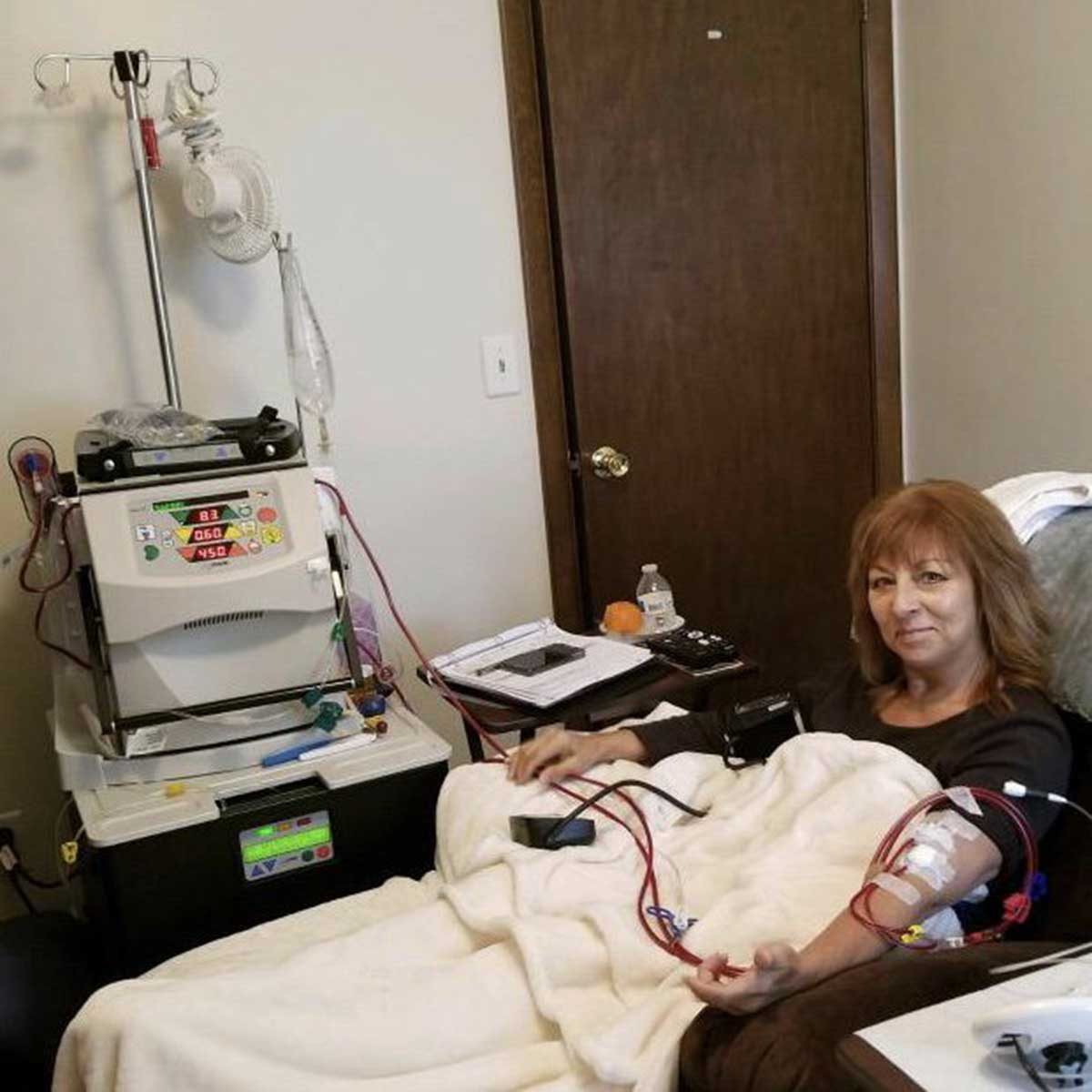
Three times a week, 52 weeks a year, Steve Dunn makes the trek from his Orléans home and settles into a comfy chair in the basement of the Riverside Hospital. He’ll be there for the next 4 1/2 hours as his blood pumps through a life-saving kidney dialysis machine.

It’s a routine he’s been doing for five years.

“It’s like a part-time job, really,” said Dunn, 47.

Frustrated by his half-decade wait for a kidney donor, Dunn has turned the back of his GMC pickup into a moving billboard for organ donors.

“Asking for help. I need a kidney transplant,” reads the print on the truck tailgate. “Many others like myself need your help. Don’t take your organs to Heaven. Save a life instead.”

Dunn added the slogan to his truck about a month ago, not just to help his own predicament, but for others who are languishing on transplant lists.

“It’s probably not going to help me — although it would be a miracle if it did — but maybe it will help people down the road,” he said. “At least it might make people think about organ donation.”

Dunn is one of 4,300 Canadians waiting for kidney transplant. Kidney transplants are one of the oldest and most common organ transplants. The first successful transplant took place in Illinois in 1950 from a cadaver. Two years later a kidney was successfully transplanted from a living donor.

Today, the operation boasts a success rate of up to 95 per cent, according to the Kidney Foundation of Canada. But there are still not enough organs available.

Dunn suffers from high blood pressure which led to a stroke 10 years ago and eventually to kidney failure. His kidneys now operate at under 10 per cent efficiency, meaning dangerous toxins build up in his blood stream that must be removed through dialysis.

His blood type is O-positive, meaning he can donate blood to anyone, but can only accept blood or an organ from someone else with the same blood type. His sister has diabetes and is ineligible to donate. His mother is too old. His brother is the wrong blood type.

The weekly need for dialysis means the former delivery driver can’t hold a full-time job.

That’s one of the hidden costs that affects so many people with kidney disease, said Elizabeth Myles, executive director of the Kidney Foundation of Canada. Even the cost of travel and parking three times a week at hospital can be prohibitive. People with kidney disease face higher food bills because of the cost of a healthy, kidney-friendly diet that avoids cheaper, processed foods.

“The financial burden of kidney disease is one of the things we want to raise awareness about,” Myles said. “There are a lot of costs passed on to people with kidney disease.”

About four million Canadians, or one in 10, suffer from chronic kidney disease and that number has been increasing, particularly among the young, she said.

For many, like Dunn, a transplant is the best hope for a normal life.

“Even though the vast majority of Canadians support organ donations according to polls, the number who actually consent is relatively small,” Myles said. It’s important that those who do wish to donate organs, register as a donor and let their loved ones know of their wishes.

Dunn is still waiting to hear if a donor is available, but his truck has been turning heads. Once, he came out of a bank at Place d’Orléans and found a man waiting to speak to him.

“He said, ‘I want to give you a kidney’,” Dunn recalled. “He was in a wheelchair but he said that he wanted to help.”

Dunn helped the man pass his name along and though he doubts the man will be a suitable donor, he was touched by the stranger’s selflessness.

“It was unbelievable. You don’t see that very often in the world today.”

In Ontario, organ donation is no longer linked to your driver’s licence. Instead, registration is done through Service Ontario or online at beadonor.ca.

March is Kidney Month in Canada. For more information, visit the Kidney Foundation of Canada at kidney.ca


Living with PKD

From Chicago Tribune, by Robert McCoppin

Proposal would make state medical pot program permanent, add osteoarthritis, chronic pain, autism, migraines, other conditions

Medical marijuana in Illinois would become legal permanently under a proposed new state law, and the list of qualifying conditions would expand greatly to include common conditions such as osteoarthritis, autism and chronic pain.

The former top regulator of medical marijuana in the state, Bob Morgan, is a new Democratic state representative from Deerfield and the chief sponsor of the plan. He says he knows of no significant opposition, and expects lawmakers to approve the measure this spring.

“We’ve had a (pilot program) that shows this is a safe program without diversion (to illegal use),” Morgan said. “It’s helping people who are struggling with serious medical conditions.”

The medical marijuana program allows patients with any of about 40 serious medical conditions, such as cancer and AIDS, to qualify for 2.5 ounces of marijuana every two weeks with their doctors’ approval.

The pilot program has evolved a couple of times since Illinois lawmakers approved it with bipartisan support in 2013, and sales began in late 2015. Former Republican Gov. Bruce Rauner later approved extending the life of the program to mid-2020 and added post-traumatic stress disorder and terminal illness as qualifying conditions, but abolished the medical cannabis advisory board that had recommended adding more conditions.

Last year, Rauner signed a law to allow medical marijuana as an alternative to prescription opioids, and ended a requirement for patient fingerprints and criminal background checks. Those two measures significantly expanded the program to its current size of about 58,000 patients, but so far the program remains smaller than in many other states, mainly because it doesn’t allow patients to use the drug for pain, the most common qualifying condition elsewhere.

The General Assembly is also expected soon to consider legalizing recreational use of cannabis, but if approved it would likely take until next year before sales are allowed. One advantage of medical marijuana would be to avoid taxes placed on recreational marijuana.

By many accounts, the program has worked as intended. Many of the patients say they use marijuana to help them get off other stronger prescription drugs. Police have not reported any major problems with people selling or using medical marijuana without certification.

Even Healthy and Productive Illinois, a nonprofit group which is fighting the proposed legalization of recreational marijuana, does not oppose medical marijuana or decriminalization, lobbyist Tim McAnarney said. He wasn’t able to comment on the proposal to make the medical program permanent, saying he’d have to see how much it would expand use.

The bill would also allow doctors to be paid by medical marijuana businesses or patients. Morgan said that doctors would still be prohibited from getting kickbacks for referrals, but this would allow them to be paid for research.

As proposed, new qualifying conditions would be chronic pain, autism, irritable bowel syndrome, migraines, osteoarthritis, anorexia nervosa, Ehlers-Danlos syndrome, Neuro-Behcet's autoimmune disease, neuropathy, polycystic kidney disease and superior canal dehiscence syndrome.

Research on the effects of cannabis on autism is very limited. Many doctors and several medical groups warn against using a drug which has not been thoroughly tested and approved by the U.S. Food and Drug Administration, and that the federal government classifies as being addictive with no medicinal value.

The American Academy of Pediatrics opposes the use of medical marijuana, noting that it can harm memory, learning and coordination, and lead to psychological problems or drug dependence. But the AAP supports “compassionate use” for children with debilitating or life-limiting diseases, and urges the government to relax the classification of the drug to allow more research.

Mothers Advocating Medical Marijuana for Autism, a nonprofit advocacy group, lists several studies suggesting preliminary support for the treatment, and counting nine states that allow the drug for autism.

Marijuana has been shown to be helpful for many of the conditions that accompany autism, such as epilepsy, pain, aggression and anxiety, said Wendy Fournier, president of the National Association of Autism. She said cannabidiol oil tinctures have helped reduce her autistic daughter’s seizures and helped her sleep.

Recreational marijuana has been legal in Colorado for years. What can Illinois learn before its residents start firing up? »

“There aren’t any good alternatives, so if this is working for some people, go for it, let’s do it,” she said. “This is a potentially life-changing treatment for some people.”

The proposed bill also includes language to allow unspecified “medical conditions or symptoms for which a person may benefit from the use of medical cannabis,” but Morgan said he would remove that language as a compromise to gain broader support.

Those conditions were previously recommended by the former advisory board, and some were the subject of lawsuits and court orders, but the Rauner administration refused to approve them.

Jim Champion, a veteran with multiple sclerosis, was looking forward to changes the bill would bring, such as no longer forcing patients with chronic conditions to recertify their ailments. With his wife Sandy, the Champions lobbied to pass the original law, and worked with Morgan on the new bill.

One important change, they said, was to have the state Department of Public Health make provisions for veterans to qualify under for medical marijuana as an alternative to opioids. Because the drug remains prohibited under federal law, Veterans Affairs doctors are prohibited from certifying their patients.

“We fully support this and look forward to making it permanent,” Sandy Champion said.

The bill would also allow patients to have multiple caregivers who could buy their medical marijuana for them, would allow transportation of the drug after it is opened, and would provide for returns of damaged or inadequate products.

rmccoppin@chicagotribune.com


Kidney Care System

From The Hill, Blog, BY DR. ALLEN R. NISSENSON, OPINION CONTRIBUTOR

Congress, the administration, and kidney care community must further improve care for 30 million Americans


March is National Kidney Month, a perfect time to reflect on the progress made in kidney care and efforts to advance that success to the next level. The challenge facing individuals with kidney diseases requires a united effort from Congress, the Administration, the National Institutes of Health (NIH) and the kidney care community. Fortunately, the collective commitment and momentum are in place, and now is the time to seize on this opportunity to maintain this forward trajectory.

More than a decade ago, the kidney care community set an ambitious goal to improve patient care outcomes and reduce health care costs. We have made significant strides in advancing kidney health with numerous multi-disciplinary work groups consisting of clinicians, providers, patient groups, researchers and manufacturers working together to: develop performance measures for accountability and endorsement through the National Quality Forum process; undertake a successful initiative to improve survival in the first year of dialysis; establish a strategic “quality blueprint” that identifies the leverage points for quality improvement; and publish a framework for considering patient reported outcomes (PROs) in this vulnerable population. All of these initiatives challenged us as a community while we worked constructively with policymakers on meaningful programs and policies that advance us toward the common goal of higher quality care and quality of life for patients with kidney diseases.

Now, a new analysis by Discern Health, which examined data from the government’s United States Renal Data System (USRDS), confirms that patient outcomes have significantly improved during the past decade. All-cause dialysis mortality rates have fallen, as have hospital admission rates for individuals who rely on dialysis care for long-term care needs or while they await a kidney transplant. In fact, gains in survival rates among this population now outpace those for cancer, heart disease, diabetes, and many other serious chronic diseases. Incredibly, the gains in kidney care come even as some chronic diseases saw worsening mortality – heart failure and myocardial infarction among them.

Despite the fact that individuals with kidney failure are among the most complex and costly Medicare beneficiaries to treat, improvements in dialysis care have led to substantial cost savings for Medicare. Discern Health confirmed that Medicare’s spending growth on individuals in kidney failure slowed from 7 percent to 1.5 percent over a 10-year period.These savings persist even after accounting for the fact that the number of Americans who require dialysis has risen sharply in the last few decades, and are now in the billions of dollars.

The kidney care community’s and policymakers’ efforts to advance access, choice, and quality while maintaining the integrity of the Medicare ESRD benefit have had positive, measurable results, yet there is still much more room to improve. We can—and must—do better to build on the real gains we’ve made, and focus on other critical areas such as prevention, access and choice, and increased investment in research and innovations.

In order to challenge ourselves again, we need a bigger and bolder agenda aimed at further boosting survival rates, focusing on patient-centered care and quality of life, improving access to treatment, investing in innovative therapies and medicines, and ensuring kidney health is more effectively addressed before individuals reach kidney failure.

This ambitious agenda requires working collaboratively with policymakers and other stakeholders through public-private partnerships to achieve even greater gains for kidney health. Any constructive collaboration must address not only quality and innovation but also the chronic Medicare underfunding as reported by the independent, nonpartisan Medicare Payment Advisory Commission (MedPAC) in January. This is particularly concerning in the ESRD program as approximately 85 percent of patients rely on government funding for their care.

Last year, the kidney community held a briefing on Capitol Hill with leaders from the kidney care stakeholders, bipartisan members of Congress, and senior representatives from NIH and CMS to share a bold vision for kidney care in America and commit to improving the lives of the tens of millions of Americans living with kidney diseases.

As strong supporters of value in the U.S. health care system, we commend Department of Health and Human Services Secretary Alex Azar’s efforts to foster even greater improvements for the 30 million Americans living with ESRD. Our shared commitment to programs like the Kidney Innovation Accelerator (Kidney X), which is running a competition to develop the new generation of advanced kidney care technology, underscores our commitment to continuously improving kidney health. In addition, we strongly support the interests of HHS and the Center for Medicare & Medicaid Innovation in advancing the care for individuals with chronic kidney diseases before kidney failure occurs, and for significantly increasing the number of patients receiving dialysis at home or a kidney transplant.

The administration has already shown a welcome focus and dedication to prioritize policies and programs to address disease affecting millions of Americans. Secretary Azar vowed in remarks to the National Kidney Foundation that “together, we can deliver much better care, and longer lives, for Americans with kidney disease.” In Congress, a bipartisan group of lawmakers in the House and Senate are working on an updated version of the 2018 Chronic Kidney Disease Improvement in Research & Treatment Act that will be introduced later this year.

As someone who has been a practicing nephrologist for more than 40 years, it is exciting to see the community standing shoulder-to-shoulder with the policy community. We are excited to do our part to advance this bold agenda with a renewed and reimagined commitment to innovation.

To that end, we look forward to continued collaboration with policymakers in Congress and the administration to further help patients with chronic kidney diseases, kidney failure and transplants live longer, healthier, and more fulfilling lives.

Nissenson is chair of Kidney Care Partners.

Sunday, March 10, 2019

Kidney Health: Check Your Urine Color, PKD Awareness Month: Planters and Art, 3D Printed Kidney Proximal Tubules

Kidney Health

From Financial Review, by Hilary Brueck


Whether you're trying a keto plan, a new plant-based routine, intermittent fasting, or the Whole30, experts agree: dieting is hard work.

Thomas Chi, a doctor at the University of California, San Francisco, urology department, said proper hydration tends to be one of the toughest things for his dieting patients to remember when they start a new weight-loss plan.

"People who are on extreme diets, they tend to have higher levels of salt and less hydration," Chi said.

Fortunately, your body is here to help. All you have to do is take a little time to listen to the brain's subtle cues: If you're feeling thirsty, drink some water.

This is especially important if you're eating more meats and high-salt foods, Chi said, because a combination of "tons and tons of meat" and not enough water could lead to kidney stones, especially if you have a family history of the issue.

"I'm not seeing this enormous uptick of patients with kidney stones because they're all doing a keto diet now," he said.

But he still thinks it's a good idea to pay attention to when your body's asking for water.

No matter if you're on an extreme diet or no diet at all, that's generally good advice.

"A lot of times, people just seem to be a little dehydrated," the dietitian Jason Ewoldt from the Mayo Clinic previously told Business Insider.

But the popular notion that you must down eight full glasses of water a day is bogus. And nobody really needs any special sports drinks, even after a workout.

Your body knows exactly when you need more water

Just drink when you're thirsty because the body is designed to know precisely when you need more water.

There's actually a "thirst centre" in the brain that helps regulate thirst, and it's impressively tuned.

Even though it takes tens of minutes for the body to hydrate once cool water touches your lips, drinking quenches thirst within seconds.

The brain's thirst cues can be relatively mild and easily mistaken for hunger pangs, or just ignored. Pretty soon, that can prompt dehydration and lead to overeating.

A 2016 study of more than 18,000 people in the US found that those who drank more water were consistently more satisfied and ate fewer calories daily. (Drinking with a meal both helps replenish saliva and aids digestion.)

Steady water drinkers also consumed lower amounts of sugar, fat, salt and cholesterol than dehydrated people.

So if you're unsure if you're feeling peckish, try sipping on some water, waiting about 15 minutes, and checking if your stomach really is rumbling.

"If you were truly hungry, you might still feel a stomach pang, whereas if you were just thirsty, you'll feel satisfied," the Polycystic Kidney Disease Foundation said.

If you're not a big fan of water, you can dress up your drink by adding lemon juice into your glass.

That's a cheap, doctor-recommended hack to help prevent kidney-stone formation.

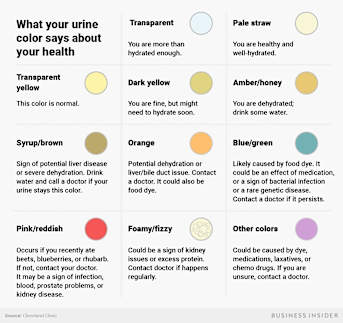
No need to fuss too much over the colour of your urine, either. As long as it's not a super-dark yellow or an amber colour, you're doing well.

This story first appeared in Business Insider. Read it here or followBusinessInsider Australia on Facebook.

BusinessInsider.com.au


From Science Daily

Growing evidence: Water as a potential treatment for inherited cause of kidney failure


People with polycystic kidney disease (PKD) could benefit from a moderate increase in water intake, according to new research.


A study from The Westmead Institute for Medical Research found that a moderate increase in water intake in rats with PKD led to a long-term reduction in kidney cyst growth and fibrosis.

This latest findings add to the growing body of evidence that supports water as a safe and effective treatment for PKD.

Polycystic kidney disease is the most common inherited cause of end-stage kidney disease. It is a chronic condition, in which fluid-filled cysts damage healthy tissue and kidney function.

Left untreated, it can cause complications, including high blood pressure, heart problems and, in severe cases, kidney failure.

More than 2,000 Australians with PKD currently receive dialysis or need a kidney transplant.

Lead researcher Dr Priyanka Sagar said that water may be a potential treatment for PKD, because it stops the hormone responsible for cyst growth.

"Previous studies in animals haven't shown whether this benefit continues over time, and there is presently no evidence in humans," Dr Sagar said.

"Our research in rats showed that increased water intake reduces the long-term progression of cyst growth and kidney fibrosis when administered during the early stages of kidney disease.

"Significantly, we identified that only a moderate increase in water was needed to have this sustained benefit in rats."

The research also showed that increased water intake had secondary benefits for some complications associated with PKD.

"Interestingly, we found that increased water intake also reduced hypertension," Dr Sagar said.

"PKD is linked to an increased risk of cardiovascular disease, so this is an important protective effect."

Currently, treatment options for PKD in humans are limited. Dr Sagar said that further studies are needed in humans to prove that water is an effective treatment for kidney cysts.

"We're finding more evidence to support water as a viable treatment for PKD," she said.

"However, further studies are needed to determine its effectiveness.

"Water is cheap and accessible, so the idea that it could be used as a treatment for PKD in the future is very exciting," she concluded.


Story Source:

Materials provided by Westmead Institute for Medical Research. Note: Content may be edited for style and length.


From MD Linx

Long-term trajectory of kidney function in autosomal-dominant polycystic kidney disease

In a 14-year observational cohort study (The Consortium for Radiologic Imaging Studies of Polycystic Kidney Disease study), researchers assessed the trajectories of glomerular filtration rate (GFR) decline in 241 adults with autosomal dominant polycystic kidney disease (ADPKD). Taking into account baseline age and magnetic resonance imaging measurements of total kidney volume (TKV) according to the method of Irazabal, 5 subclasses of participants were defined, as an estimate of the rate of kidney growth. Using mixed polynomial models, they reconstructed and fitted GFR trajectories spanning over four decades of life. For validation, they used data from the HALT-PKD study. Findings revealed a nonlinear GFR decline in ADPKD. A single measurement of kidney volume could predict GFR decline trajectory throughout adulthood. The possible utility of these models was suggested for clinical prognostication, clinical trial design, and patient selection for clinical interventions. Growth in kidney volume was causally related to GFR decline. The use of TKV as a surrogate endpoint in clinical trials was supported.


Read the full article on Kidney International


PKD Research

From ECN Magazine, by Harvard University


Immunofluorescence staining of a 3D bioprinted vascularized proximal tubule with a proximal tubule epithelial marker stained in green in the proximal tubule channel and a vascular endothelial marker stained in red in the adjacent vascular channel. The magnified cross-section illustrates that the two different cell types form luminal perfusable structures in their respective channels. Credit: Wyss Institute at Harvard University


Every day our kidneys tackle the daunting task of continuously cleaning our blood to prevent waste, salt and excess fluid from building up inside our bodies. To achieve this, the kidneys' approximately one million filtration units (glomeruli) first remove both waste products and precious nutrients from the blood stream, then specialized structures known as the proximal tubules reabsorb the "good" molecules returning them to our bloodstream. While the reabsorptive functions of the proximal tubule can be compromised by drugs, chemicals, or genetic and blood-borne diseases, our understanding of how these effects occur is still limited.

To enable the study of renal reabsorption outside the human body, Wyss Institute Core Faculty member Jennifer Lewis, Sc.D., and her team working within the Wyss Institute's 3D Organ Engineering Initiative that she co-leads, and in collaboration with the Roche Innovation Center Basel in Switzerland, created a 3D vascularized proximal tubule model in which independently perfusable tubules and blood vessels are printed adjacent to one another within an engineered extracellular matrix. This work builds upon a continuously perfused 3D proximal tubule model reported earlier by the team that still was lacking a functional blood vessel compartment. Using their next-generation device, the team has measured the transport of glucose from the proximal tubule to the blood vessels, along with the effects of hyperglycemia, a condition associated with diabetes in patients. Their study is published in the Proceedings of the National Academy of Sciences (PNAS).

Lewis is also the Hansjörg Wyss Professor of Biologically Inspired Engineering at Harvard John A. Paulson School of Engineering and Applied Science (SEAS), the Jianmin Yu Professor of Arts and Sciences and a member of the Harvard Stem Cell Institute.

"We construct these living renal devices in a few days and they can remain stable and functional for months," said first-author Neil Lin, Ph.D., who is a Roche Fellow and Postdoctoral Fellow on Lewis' team. "Importantly, these 3D vascularized proximal tubules exhibit the desired epithelial and endothelial cell morphologies and luminal architectures, as well as the expression and correct localization of key structural and transport proteins, and factors that allow the tubular and vascular compartments to communicate with each other."

As a first step towards testing drugs and modeling diseases, the team induced "hyperglycemia", a high-glucose condition typical of diabetes and a known risk factor for vascular disease, in their model by circulating a four-fold higher than normal glucose concentration through the proximal tubule compartment. "We found that high levels of glucose transported to endothelial cells in the vascular compartment caused cell damage," said Kimberly Homan, Ph.D., a co-author on the study and Research Associate in Lewis' group at the Wyss Institute and SEAS. "By circulating a drug through the tubule that specifically inhibits a major glucose transporter in proximal tubule epithelial cells, we prevented those harmful changes from happening to the endothelial cells in the adjacent vessels."

The team's immediate focus is to further scale up these models for use in pharmaceutical applications. "Our system could enable the screening of focused drug libraries for renal toxicity and thus help reduce animal experiments," said Annie Moisan, Ph.D., a co-author and industry collaborator on the study, and Principal Scientist at Roche Innovation Center Basel. "I am thrilled by the continued efforts from us and others to increase the physiological relevance of such models, for example by incorporating patient-specific and diseased cells, since personalized efficacy and safety are the ultimate goals of predicting clinical responses to drugs."

"Our new 3D kidney model is an exciting advance as it more fully recapitulates the proximal tubule segments found in native kidney tissue," said Lewis. "Beyond its immediate applications for drug screening and disease modelling, we are also exploring whether these living devices can be used to augment kidney dialysis." Currently, life-saving dialysis machines filter blood, but they are unable to retrieve precious nutrients and other species from the filtrate that the body needs for many of its functions, which can cause specific deficiencies and complications down the line. Lewis and her colleagues believe that 3D bioprinted vascularized tubules may lead to improved renal replacement therapies.

"This study presents a significant step forward in human kidney engineering that enables human disease and drug-related studies to be carried out over extended periods of time in vitro. It also represents a major step forward for the Wyss Institute's 3D Organ Engineering Initiative, which aims to generate functional organ replacements with enhanced functionalities for patients in need," said Wyss Institute Founding Director Donald Ingber, M.D., Ph.D., who is also the Judah Folkman Professor of Vascular Biology at HMS and the Vascular Biology Program at Boston Children's Hospital, as well as Professor of Bioengineering at SEAS.


PKD Awareness

From Sylvan Lake News, Alberta, Canada, by KAYLYN WHIBBS
Sylvan Lake’s Winter Village planter contest helps spread awareness


March is Polycystic Kidney Disease Awareness month


The winner of Best Overall Non-Profit in the planter contest with the 2018 Waterfront Winter Village has a very personal touch behind its tree.

Sylvan Lakes’ Rosalie Thon, and her friends, Evan Masse, Trish Jenks and her son Clayton William, designed the planter for kidney disease and transplant awareness.

Thon has Polycystic Kidney Disease and spent four years doing dialysis while waiting to get a new kidney.

She did a battery of tests and had four calls before her kidney came Sept. 21, 2017.

“In that part of my journey I met Evan [Masse], he was my roommate [in the hospital] and he as well had a kidney transplant, and so we just became really good friends and when the planter came up I just thought I wanted to give something back,” said Thon in an interview, adding she has learned a lot throughout her journey.

Masse lives north of Edmonton, but made the trip down to help decorate the tree.

“I know for a fact a lot of people don’t know a lot about kidney disease and/or transplant, so I thought what a better opportunity than to take advantage of this tree,” explained Thon.

The blue and green colouring of the tree was inspired by the colours of The Kidney Foundation of Canada and was decorated with kidney shaped stress balls and cards with ribbon pins for awareness.

“Rosalie and I decided to give people awareness of donating organs, it is a lifesaver for people even though it is sad that some people have to sacrifice their life to save other people,” said Masse in a letter, adding he is thankful for all the people who donate.

Decorating the tree was a two-day project and represented transplant awareness right down to its roots after they removed the original little tree to transplant in an artificial one.

The Kidney Foundation of Canada, Northern Alberta and The Territories branch in Edmonton donated the stress kidneys and cards to use as decorations.

This was the group’s first time entering a planter in the competition and is very proud to have been voted number one in their category.

Thon says when she sets out to do something she always wants to be a high achiever, so she told the group she wanted to win.

“I wanted to win not out of arrogance, but just to get the story out even more,” said Thon, adding she also likes being creative.

Thon and Masse used the lighting ceremony and the planter along the lakeshore throughout the winter as a talking point to help raise awareness, knowledge and share their story.

She said it was exciting to be able to make connections with people and spread the word about kidney disease and transplant.

Since polycystic is hereditary her son, Clayton William, also has polycystic kidneys.

Thon explained hers started with a 2.5 cm cyst, which took 20 years to almost completely shut down her kidney function, so it is hard to tell when William will need to go through the dialysis and transplant procedure.


From The Daily Bruin, UCLA

Art exhibit sheds light on lives of those affected by genetic disorders

The exhibit was created to provide more insight into the lives of patients affected by genetic disorders. (Lauren Man/Daily Bruin)


An art exhibit in Powell Library showcases the hidden impact genetic disorders often have on the lives of UCLA students.

The exhibit, which opened Feb. 19 and will remain open through March in the Powell Library rotunda, showcases various forms of art submitted by five students who have genetic disorders such as lymphoma and cystic fibrosis.

Rushna Raza, a fourth-year molecular, cell, and developmental biology student, said she created the exhibit because of her interest in genetics and because she wanted to provide more insight into the lives of patients affected by these disorders.

“I believe the genetic and the social perspectives are both important because patients’ lives go beyond what meets the eye,” she said. “Those stories never get told unless you ask.”

The exhibit features five pieces of visual and interactive artwork created by students that aim to educate others on the invisible suffering caused by genetic disorders, Raza said. Some students chose to focus on illnesses that affect them directly, while others explored genetic diseases that have affected their loved ones. The projects also reflected the roles these heritable diseases have played throughout their families’ histories.

Chelsea Krob, a fourth-year art student who has autosomal dominant polycystic kidney disease, created a multimedia gallery to raise awareness of her illness.

Her project, “Through Your Journey,” tells the story of her struggle with PKD through photos and a digital recording of a conversation between Krob and her father, who died from the same illness in May.

“My project aims to look at the intergenerational effects of this disease and also my unique relationship with my dad, since we both have (PKD),” she said.

Krob’s portion of the exhibit also features a wall on which observers can add their handprints with ink. She said she was inspired by a previous project concept in which she planned to represent every day of her father’s life through thumbprints.

Raza said the handprint wall represents how everyone is unique due to small differences in their genomes. Similarly, even though human handprints have the same basic shape, small variations make them unique. Raza said this aspect of the exhibit allows students to participate in and leave their own mark on the artwork.

Krob said she hopes observers can gain a better understanding of the lives of people with PKD through her project.

“I used multiple approaches to give the viewer, wherever they’re at with life or death, an entry point into the work,” she said.

Hollie St. Claire, who graduated from UCLA in fall 2018, portrayed the impact of cystic fibrosis in her life through her carving, “Breaking Through.” Three of St. Claire’s siblings have the disease and she recently learned she is a carrier. She said she hopes to show that people with cystic fibrosis are strong and that there is hope for a cure.

To demonstrate the strength of those with cystic fibrosis, St. Claire created a painted carving that depicts an individual pushing against an arch containing strands of DNA. She said she aims to challenge the notion that individuals with cystic fibrosis are weak or fragile.

“The individual in my carving is breaking through the barriers of genetic restrictions,” she said.

Ketana Chadalavada, a fourth-year psychology student who designed the exhibit’s online graphics, said her painting “Survivor” represents her struggle with lymphoma, which she was diagnosed with last year.

She said her portrayal of a bald figure demonstrates her reclaiming ownership of her body. The lime green ribbon over the figure’s heart is an official symbol of lymphoma awareness and ties the painting to the broader lymphoma community.

“I really wanted to show the mental side to my story, including how I coped with (lymphoma) and what I learned from it,” Chadalavada said.

In addition to raising awareness for genetic disorders, Raza added she created the exhibit because she was interested in combining science and art. She said even though she does not consider herself to be an artist, she is proud to have put together a project that allows students to tell their personal stories through art.

“I wanted this project to be a chance for students to share that intimate part of their history through an artistic platform,” she said.

Sunday, March 3, 2019

Walter Reed Patients Need Kidneys, Artificial Wearable Kidney FDA Safety Trial, Living with PKD for 30 Years

Living with PKD

From Readers Digest, Jen Babakhan
How I’ve Outlived My Incurable Kidney Disease for 30 Years

Polycystic kidney disease is a chronic kidney condition that hits more than half a million Americans. Here's what it's like to live with this potentially deadly diagnosis.

susan in treatment


Susan Flesia was only 28 years old when she was hit with chest pain severe enough to send her to the emergency room. The health-conscious mother of two was in shock—could she be having a heart attack? The answer was no, but the news still wasn’t good.

At the ER, Flesia’s chest pain turned out to be indigestion, but diagnostic blood screens suggested she had a kidney infection. Her primary care doctor admitted her for further testing, and an ultrasound revealed that Flesia’s kidneys and liver were covered in cysts. “The doctor told me I had polycystic kidney disease. I didn’t even know what that was.”

She soon found out: Polycystic kidney disease is an incurable genetic disorder that causes fluid-filled cysts to cover and enlarge the kidneys. Symptoms include high blood pressure, cysts on the liver, and blood vessel complications in the brain and heart. Watch for the signs that your kidneys could be in big trouble.

A bodybuilder, Flesia ran her own personal-training business; her healthy lifestyle helped her avoid complications until her early 40s when her blood pressure began to climb. Medication helped, and for the next ten years, her life seemed relatively normal. Then she realized that her rib cage was expanding. “I noticed because I’m small in the waist. My rib cage was getting thicker and I was tired and nauseated. I began having back pain, and difficulty breathing.”

An ultrasound showed that her kidneys had bulged in size, and now weighed six pounds each. A normal kidney weighs a quarter to half a pound. Thousands of cysts covered the organs, and they were pressing into her lungs, making breathing difficult. As her kidneys became more diseased, their ability to cleanse her blood plummeted.

Eventually, her doctors recommended that she have her kidneys removed. The first one came out in 2016; the second a year later. Flesia started peritoneal dialysis after the first surgery: She underwent a regular procedure that allowed the blood vessels in the lining of her abdomen to filter and cleanse her blood.

Unfortunately, the peritoneal approach didn’t work very long for Flesia: She felt nauseated during the treatment and vomited several times a day. She ended up switching to another method called hemodialysis, in which blood is routed out of the body and through a machine that filters out waste products before sending it back into the body. Make sure you’re not making any of these innocent mistakes that can cause kidney problems.

Typically patients have to go to a hospital or dialysis center three or four times a week to undergo this four-hour-long procedure. But Flesia’s doctors offered her another option: She could be trained to do her own dialysis at home using the NxStage machine from Fresenius Kidney Care. The NxStage machine allows the now-56-year-old Flesia the flexibility of scheduling her treatments when they’re convenient.

“My friends watch me insert these huge needles into my treatment sites, and they can’t believe I’m able to do it—but I don’t have a choice.” Ultimately, Flesia hopes to get a kidney transplant; the Rhode Island resident went on the state’s waiting list in 2015, she tells Reader’s Digest. “The average wait time is six to seven years. I’m lucky that I have the option of dialysis until I can get a kidney.”

Thirty years after her diagnosis, Flesia continues to live life to the fullest. “I love gardening at home and going on motorcycle rides. I’m kind of stubborn. I’m not going to let this get the best of me. It’s all in how you deal with it. Plus, I have an amazing support system.” Her advice to other patients is that the little things matter. “Keep every one of your dialysis appointments and listen to your doctors. Do what they say, and watch your diet. Diet plays such a big role.” Watch for these silent signs you might have a kidney infection.


Need Kidneys

From Military Times, By: Natalie Gross

‘I don’t want to die’: 380 Walter Reed patients are looking for kidney donors


“I don’t want to die.”

Phyllis Obeng Dadzie said the words quietly, but with a slight chuckle, as though it was obvious. She was sitting with her husband, Navy Chief Petty Officer Charles Agyeilarbi, in a small room at Walter Reed National Military Medical Center, shivering under a pink winter coat that covered her small frame.

Seven months ago, Dadzie, a native of Ghana, was a healthy 25-year-old, pregnant with the couple’s second child. But in August, complications during the third trimester and the birth of their son, Prince Charles, sent Dadzie into stage 5 kidney disease and, ultimately, to Walter Reed, where she now gets dialysis three times a week.

She’s fully aware of what could happen if she doesn’t get a new kidney soon, but she’s not ready to give up — not with a 2-year-old and a baby at home who need their mom.

“I just want to get a new kidney and live (for) my kids again,” she said. “That’s all that I pray for every day.”

Dadzie is one of about 380 patients at Walter Reed who are on the national kidney transplant list — from troops and military dependents in their young twenties to military retirees who’ve dedicated their lives to service.

But with a national list 100,000 people long, getting a kidney that way could take years, said nurse Vilda Desgoutte-Brown, the hospital’s living donor coordinator. In the meantime, dialysis could cause heart, lung and thyroid problems, or other complications, such as diabetes.

“A lot of people end up dying on the machine,” she said.

Touched by stories like Dadzie’s, Desgoutte-Brown is trying to spread the word about her beloved patients, in hopes that others in the military community would consider coming forward as potential donors.

After all, you only need one healthy kidney to live a normal life, she said, pointing out that some people are only born with one and may never know it.

“(Kidney donation) really doesn’t affect you unless you gain a lot of weight and stop taking care of yourself as before,” Desgoutte-Brown said. “It’s really no difference at all.”

Another Walter Reed patient, retired Air Force Lt. Col. Ruth Grayson Scott, was ready to be an organ donor herself 30 years ago when her brother needed a new kidney. But when subsequent tests revealed she, too, was born with the same genetic polycystic kidney disease that killed their father and uncle, she knew there was a possibility she’d eventually need a new kidney herself.

But she expected to have more time — not for the disease to affect her liver, as well as her kidneys, by the time she was 44. She got a double transplant in April 2017, but 11 months later, her new kidney stopped working, started free floating in her abdomen and almost killed her.

After that, her hopes were “completely destroyed,” she said — only to be dashed again recently when a potential donor was disqualified near the end of the matching process.

Like Dadzie, Scott also comes to the hospital three times a week for dialysis, traveling 30 miles each way to and from her home in Virginia. It’s not exactly the type of traveling she’d wanted to do with her husband in their retirement.

“I really want a kidney,” said Scott, now 57. “This is not quite the life we planned.”

Patients at Walter Reed have been trying to help each other find donors, posting pleas to their followers on social media, said Dadzie. She’s been especially grateful for that, since her family lives in Ghana and the couple has no friends in Maryland, where they were transferred from Japan in November for Dadzie’s treatment.

Desgoutte-Brown said ideally, enough donors would come forward that the hospital could start an internal chain or swap. For example, if two patients have friends who are willing to donate kidneys but aren’t matches, the patients could potentially trade donors, depending on blood type and other factors.

The main thing is that donors be healthy, with no history of cancer, diabetes and other diseases and genetic disorders that could be passed to a recipient, she said.

“I think for me, just seeing these young people — mothers and soldiers and stuff like that — was really kind of touching to me,” said Desgoutte-Brown. “I was just like, ‘My God, we have to try to do something.’”

Anyone interested in learning more about becoming a donor can email her at vilda.o.desgoutte-brown.civ@mail.mil.

Meanwhile, Dadzie is doing her best to cope with the difficulties and take care of her kids despite the constant pain.

“I’m a strong woman,” she said. “We are just looking for a God-saving soul to just help me to live again.”


Artificial Kidneys

From Healio, by Jennifer Byrne

Safety trial, FDA designation indicate promise of wearable kidney

Singapore-based AWAK Technologies recently announced its peritoneal dialysis device was granted breakthrough device designation by the FDA. According to a company press release, the AWAK Peritoneal Dialysis device, also known as AWAK PD, is the world’s first wearable PD device, which allows patients with ESRD to bypass hours of therapy with large machines and undergo dialysis on the go.

Portable artificial kidney offers convenience

“When it comes to innovation, compared to the rest of the health care industry, [the] dialysis industry is literally stagnant over the last few decades,” Suresha Venkataraya, CEO of AWAK Technologies, told Nephrology News & Issues. “The current treatment modalities are not only disruptive to the patient’s daily routine but also impose a heavy cost burden on patients, payers and the caregivers.”

Venkataraya cited disruptions to the patient’s daily routine, prohibitive cost, limits on patient mobility and issues with fluid logistics and the bulkiness of traditional PD devices as some of the problems he hopes the AWAK PD will eliminate. He said the device’s sorbent technology, which enables reuse of the PD fluid, will “provide a therapy which will be more convenient and enhance patients’ quality of life to a greater extent compared to currently available technologies.”

Venkataraya said the goal for the device is to allow patients to comply with therapy in a way that does not disrupt their lifestyle.

“More compliance to [their] therapy regime results in healthy individuals, which in turn helps reduce health care cost[s] and contribute[s] to the economy,” he added.

The AWAK device is also more sustainable than traditional PD because it consumes less water.

Early trial shows promise

The portable artificial kidney, through sorbent technology, removes uremic toxins from the used dialysis fluid and regenerates fresh fluid. This makes the device less cumbersome than current modalities for patients which typically require 10 L to 12 L (22 pounds to 26 pounds) of fluid per session.

The AWAK PD was granted breakthrough device designation based on the results of a first-in-human safety trial completed in October 2018 at the Singapore General Hospital.

According to Marjorie Foo, MBChB, MRCP, FRCP, FAMS, head and senior consultant in the department of renal medicine at Singapore General Hospital and director of the hospital’s PD program, the safety trial found a consistent reduction of solutes, including urea, creatinine, phosphate and beta 2-microglobulin, as well as electrolytes over the 3 days on AWAK therapy with no adverse events.

The study results indicate that “the regenerated solution using sorbent technology is safe and [the] outcome of dialysis with the AWAK solution using tidal-based dialysis was comparable in terms of solute removal with conventional dialysis,” Foo said.

The results showing the AWAK PD could efficiently remove the accumulation of toxins indicate that the 650,000 U.S. patients with ESRD could soon have a PD option that allows them to travel.

“I think the future is bright for this wearable [device] as it is safe to carry around, compact and delivers the treatment as needed,” Foo said.

While Venkatarya believes an artificial implantable kidney is still 10 to 20 years away, he hopes to see this portable PD device become a standard of care.

The next phase of the trial entails a detailed efficacy study comparing the AWAK PD with conventional dialysis.

Sunday, February 24, 2019

PKD: Gene Therapy tRNA Research to Stop Nonsense Mutations, Strategies for Aneurysm Screening, Lab Tests by Cell Phone

Research

From EurekaAlert

Novel gene therapy approach creates new route to tackle rare, inherited diseases


Nonsense mutations are single-letter errors in the genetic code that prematurely halt the production of critical proteins. These unfinished proteins are unable to function normally, and nonsense mutations cause 10-15 percent of all inherited genetic diseases, including Duchenne muscular dystrophy, spinal muscular atrophy, cystic fibrosis and polycystic kidney disease. There is currently no cure or broadly effective treatment for these often devastating conditions that are individually rare but estimated to collectively affect up to 30 million people worldwide.

A new study, led by Christopher Ahern, PhD, at the University of Iowa Carver College of Medicine, reveals a novel approach and robust technology platform for suppressing nonsense mutations using engineered transfer RNA (tRNA) molecules. The research by Ahern, his UI colleagues, and collaborators at The Wistar Institute in Philadelphia, the Cystic Fibrosis Foundation Therapeutics Lab in Lexington, Mass., and Integrated DNA Technologies Inc. in Coralville, Iowa, shows that modified tRNAs can efficiently and accurately repair nonsense mutations with any amino acid. The findings were published Feb. 18 in Nature Communications.

"Because nonsense mutations cause a wide range of severe, life threatening diseases, there is a significant unmet medical need to efficiently repair these stop codons in people having these inherited genetic alterations," says Ahern, UI professor of molecular physiology and biophysics and a member of the Iowa Neuroscience Institute. "Our unique gene therapy approach takes advantage of the built-in fidelity of the translation process but reengineers tRNAs to turn disease-causing stop signals back into the correct amino acid. Basically, our anticodon engineered tRNA technology turns 'stops' into 'gos' and hopefully one day may be used to correct defective genetic sequences in people."

The process of turning genetic code into protein is called translation. Transfer RNAs (tRNAs) match up with the blueprint code of the messenger RNA and deliver the correct amino acid in the correct order to build the protein. The code sequences of the messenger RNA, which dictate the order of amino acids, are called codons. The matching sequence on the tRNAs are called anticodons.

At the end of every protein coding sequence there is a genetic stop signal--a stop codon--that tells the protein production machinery to halt. Nonsense mutations occur when a mistake in the genetic sequence turns an amino acid codon in the middle of the protein into a stop codon.

Ahern and his UI team, including lead study author John Lueck, PhD, who is now at the University of Rochester, systematically tested the engineered tRNA molecules for their ability to repair premature stop codons with each of the 20 natural amino acids. The high-throughput screen efficiently identified multiple potent engineered tRNAs for each amino acid and stop codon type.

To demonstrate that the approach could work in more complex and physiologically relevant systems, Ahern lab members, together with collaborators at the Cystic Fibrosis Foundation Therapeutics (CFFT) lab and the laboratory of David Weiner, PhD, at The Wistar Institute showed that the engineered tRNAs when encoded and formulated for efficient delivery are expressed at high levels and are effective at correcting nonsense mutations in living mouse muscle tissue. Interestingly, the tRNA activity persisted for weeks in the delivered forms, suggesting this sustainable gene therapy approach may have potential for being used in the clinic one day.

Importantly, the team at the CFFT lab under William Skach, MD, showed that the tRNAs were selective in their activity and did not affect normal stop codons that signal the true end of the protein sequence.

And at the UI, Ahern with postdoctoral fellows Lueck and Danny Infield, PhD, and UI professor of pediatrics and cystic fibrosis expert Paul McCray, MD, showed that the approach could correct a CF-causing nonsense mutation and accurately produce a functional CFTR protein.

"What I like about this study is that a number of different labs with different expertise all verified our engineered tRNA technology in a variety of contexts," Ahern says. "That suggests the approach is robust."

Although he is excited about the potential for anticodon engineered tRNAs to tackle diseases caused by nonsense mutations, Ahern notes there are many scientific questions to answer and technical hurdles to overcome to find out if this approach can be translated into human therapies.

"For many diseases caused by nonsense mutations, even correcting a small percent of the mutated protein could be enough to be therapeutic to the patient," Ahern says. "If this were to work as a human therapy, we would have a way to target every known stop codon disease."


Living with PKD

From Health Imaging, by Matt O'Connor

What’s the best MR angiography strategy to screen for aneurysm in patients with hereditary kidney disease?


Autosomal dominant polycystic kidney disease (ADPKD) is among the most common hereditary diseases, and is associated with complications such as intracranial aneurysm. A lack of screening guidelines prompted a group of researchers to evaluate the cost-effectiveness of various MR angiography strategies.

The results of the analysis were published online Feb. 19 in Radiology.

“There is uncertainty regarding the benefits of screening for intracranial aneurysm in patients with ADPKD owing to the lack of data from randomized, prospective clinical trials,” wrote Ajay Malhotra, of Yale School of Medicine in New Haven, Connecticut, and colleagues. “The initial age at screening, the frequency and duration of repeat screening, the use of surveillance imaging after intracranial aneurysm detection, and the utility of treatment of unruptured intracranial aneurysms in patients with ADPKD are not clearly defined.”

The authors created a Markov decision-analytic model to evaluate the costs and outcomes of five different MR angiography management strategies covering the lifespan of a patient up to 80 years old.

Overall, the best strategy is MR angiography screening every five years and annual follow-up in those with detected intracranial aneurysm. The strategy became more favorable when life expectancy is more than six years.

They also found if the rupture risk of unruptured intracranial aneurysm is between 0.015 percent and 0.35 percent, one-time MR angiography screening plus annual MR angiography follow up “may be dominant,” the authors wrote.

“Screening for intracranial aneurysms in patients with autosomal dominant polycystic kidney disease is cost-effective, and repeat screening every 5 years after a negative initial study should be considered,” the authors wrote. “Annual surveillance imaging may be optimal in patients with incidentally detected intracranial aneurysms and in the treatment of patients with growing, high-risk aneurysms.”


From CNBC, by Lori Ioannou

How an Israeli start-up turned the cellphone into a testing lab for kidney disease


An Israeli digital health start-up called Healthy.io has developed an FDA-cleared at-home smartphone urinalysis test to help people test their kidneys for proteins, a sign of damage to the organ.

Thirty million Americans have chronic kidney disease, often due to diabetes and hypertension; that's 1 in 9 adults, according to the National Kidney Foundation.

Early detection makes an enormous difference in avoiding complications from kidney disease.


Chronic kidney disease is the modern-day plague in the United States, driven in large part by the nation's obesity epidemic. According to the National Kidney Foundation, 30 million Americans have chronic kidney disease, often due to diabetes and hypertension; that's 1 in 9 adults. More than 510,000 kidney patients are now on dialysis, and over 100,000 are on the kidney transplant list.

The cost of caring for these individuals is staggering. "Medicare alone spends $114 billion annually caring for Americans with all stages of chronic kidney disease," said Kerry Willis, chief medical officer at the National Kidney Foundation. "That doesn't include the costs to the private insurance industry."

Recognizing the trend, an Israeli digital health start-up called Healthy.io has developed an FDA-cleared at-home smartphone urinalysis test to help people test their kidneys for proteins, a sign of damage to the organ. Early detection makes an enormous difference in avoiding complications from kidney disease.

Healthy.io's urinalysis test, Dip.io, uses disposable strips and cups in conjunction with a smartphone camera to read and interpret results. Patients dip a stick in a self-collected urine sample, wait for it to develop, and take a picture of it against a card using the company's app. The image is anonymized and put on the cloud for more detailed diagnostic tests.

The test has been assessed with Geisinger Health in conjunction with the National Kidney Foundation, achieving a 71 percent adherence rate among patients with hypertension who never have been tested before.

Founder and CEO Yonatan Adiri said that since Dip.io received FDA clearance last year, he has been busy marketing the technology to hospitals and health systems. The company is targeting a few major patient categories, including pregnant women, diabetics and hypertensives most at risk for kidney disease, and women who believe they may have the symptoms of UTI (urinary tract infection).

A testing lab in the palm of your hand

Adiri, the former chief technology officer to Israeli President Shimon Peres, developed a passion for health technology early in his career. He realized the smartphone as a medical tool was a niche that would grow when his father used it to transfer CT scans after his mother had an accident while traveling in China a few years ago. That helped her get diagnosed and saved her life.

"My goal is to help turn the mobile phone into the lab of today," he said. "Advances in AI and computer vision technology are making this possible."

In early February, Healthy.io raised $18 million in a Series B financing round led by Aleph, an Israeli-based venture capital fund, to support growth across its existing markets and to fund the commercial launch of the product in the United States. It also has raised funds from Samsung NEXT and private investors. That brings its total funding to $30 million.

Healthy.io's products are currently available in Israel and the U.K., where it recently inked a deal with Walgreens Boots Alliance subsidiary Boots UK to introduce consumer-focused UTI testing at the company's locations. Its efforts have been supported by a partnership with Siemens Healthineers to use the company's urinalysis reagents.

The start-up is boosted by rapidly advancing smartphone technology. Digital urinalysis is the latest example of a trend toward home diagnostics driving a surging medical technology market. The first at-home pregnancy test appeared in the late 1970s, paving the way for a home-based medical test market. More recently, the internet, IoT, smartphones and advances in areas like genetic testing have driven sharp growth in a home-testing market that will soon surpass $300 million.

Much of the marketing driving sales of at-home tests, which include cloud-based monitors that beam medical results to doctors, tout ease of use and lowered barriers to clinical-grade health maintenance. But getting people to take tests, whether in a doctor's office or at home, is tricky. In the case of kidney disease, which the Healthy.io kit can screen for, only about 6 percent of people with hypertension and 39 percent of diabetes patients undergo proper testing.

It's still too early to know if Healthy.io's technology will be a game-changer in kidney testing, but if it does, it could have a big impact on curbing health-care costs — and saving lives. "The FDA is now approving clinical algorithms and outcomes derived by using a cellphone for urine testing. That's a big step in helping to democratize health care," said Michael Eisenberg, a partner at Aleph.

Sunday, February 17, 2019

Engineering Kidneys Organoids, Need Kidney: Spread the Word

Artificial Kidneys

From MedicalXpress, by Harvard University

Engineered miniature kidneys come of age

Engineered miniature kidneys come of age


In recent years, researchers have created mini-organs known as organoids in the culture dish that contain many of the cell types and complex microarchitectures found in human organs, such as the kidney, liver, intestine, and even the brain. However, most organoids grown in vitro lack the vasculature required to provide oxygen and nutrients, remove metabolic waste, and facilitate communication between different cell types that drives their maturation into truly functional tissue building blocks.

For kidney organoids, this shortcoming prevents researchers from emulating key kidney functions in vitro, including blood filtration, reabsorption, and urine production. Creating robustly vascularized kidney organoids could enable better modeling of kidney diseases, enhance renal drug toxicity testing and, ultimately, lead to new building blocks for renal replacement therapies.

Now, a research team at the Wyss Institute for Biologically Inspired Engineering, the Harvard Paulson School of Engineering and Applied Sciences (SEAS), Brigham and Women's Hospital, and the Harvard Stem Cell Institute led by Jennifer Lewis and Ryuji Morizane has developed a powerful new approach as part of the Institute's new 3-D Organ Engineering Initiative. By exposing stem cell-derived organoids to fluidic shear stress, they were able to significantly expand organoid-derived vascular networks, and improve the maturation of kidney compartments in comparison to previous static culture methods. The work is published in Nature Methods.

In 2015, Ryuji Morizane and Joseph Bonventre developed a method that enabled them to derive 3-D kidney organoids from human pluripotent stem cells. "While our organoids and those generated in other laboratories contained large numbers of well-organized nephrons and primitive blood vessels, they still lacked pervasive vascular compartments with perfusable lumens," said co-corresponding author Morizane, M.D., Ph.D., Assistant Professor at Brigham and Women's Hospital and Harvard Medical School (HMS), and a member of the Harvard Stem Cell Institute.

More recently, researchers around the world have matured kidney organoids by implanting them into animals where they can connect to the host's vasculature in vivo. "For the first time, our study demonstrates that by exposing growing organoids to fluid flow, a mechanical cue known to play an important role for tissue development in the body, we can greatly enhance their vascularization and maturation in vitro," said Morizane.

To accomplish this feat, the team used expertise from the Lewis lab that has pioneered strategies to create vascularized human tissues, including 3-D kidney-on-chip models, using 3-D bioprinting that can be perfused and sustained for long durations. Based on these findings, they hypothesized that fluid flow could also promote the formation of blood vessels from precursor endothelial cells found in growing kidney organoids.

"We determined the right combination of underlying extracellular matrix, media additives, and fluidic shear stress under which human stem-cell derived organoids would flourish when grown in our 3-D-printed millifluidic chips," said Kimberly Homan, Ph.D., who with Navin Gupta, M.D., is a first author on the study. Gupta added that "the vascular networks form close to the epithelial structures that build the glomerular and tubular compartments, and in turn promote epithelial maturation. This integrated process works really like a two-way street." Homan is a Research Associate in Lewis' group at the Wyss Institute and SEAS, and Gupta is a Clinical Research Fellow working on Morizane's team at the Brigham.

The vessels growing on the 3-D-printed chips form an interconnected network with open lumens, which can be perfused with fluids as confirmed by directly imaging fluorescent beads moving freely through them. "We were excited to see that these vascularized glomerular and tubular structures develop through some of the same stages that nephrons experience during normal kidney development in vivo," said Homan.

"This important advance opens up new avenues for accurately testing drug toxicity in vitro in differentiated nephron compartments and modeling kidney diseases, like polycystic kidney disease, that affect specific structures and cell types using patient-derived stem cells as the starting point," said co-corresponding author Lewis, Sc.D., who is a Core Faculty member of the Wyss Institute and co-leader of its 3-D Organ Engineering Initiative. "Our method may pave the way to also vascularize other types of organoids, such as the liver organoids." Lewis is also the Hansjörg Wyss Professor of Biologically Inspired Engineering at SEAS and a member of the Harvard Stem Cell Institute.

"This study is a great example of the importance of mechanobiology and the potential power of the Wyss Institute's 3-D Organ Engineering Initiative. It provides an important cornerstone for many efforts that aim to create functional human tissues de novo for research, pharmaceutical and tissue regenerative applications," said Wyss Institute Founding Director Donald Ingber, M.D., Ph.D., who is also the Judah Folkman Professor of Vascular Biology at HMS and the Vascular Biology Program at Boston Children's Hospital, as well as Professor of Bioengineering at SEAS.


Gift of Life

From Honey Latest, Australia , By Maddison Leach

Mum donates kidney to stranger after seeing a flyer at her son’s taekwondo classss


Amanda Hayhurst never expected that her life would be changed by a flyer, but just weeks after donating her kidney to a stranger, she couldn’t be happier about it.

The mother-of-two from Georgia, USA, was picking up her eldest son from a taekwondo class late last year when she spotted a flyer telling the story of a local single mum in desperate need of a kidney transplant.

“I knew before I finished reading that we were going to be a match,” Hayhurst, 32, told Good Morning America.

“I just knew it.”

But she didn’t know Vonchelle Knight, 50, the woman who had been on the waitlist for a kidney transplant for more than eight years.

Knight suffered from Polycystic Kidney Disease since 2004, a genetic disorder that slowly reduces kidney function and can eventually lead to kidney failure, as well as causing other complications such as high blood pressure when left untreated.

One of Knight’s daughters had posted the flyer as part of an ongoing effort to help find her mother a donor after years of waiting and unsuccessful matches.

Since 2013 Knight has had to spend nine hours each day on dialysis, hooked up the machine as she slept, and suffered constant fatigue and cramps.

Hayhurst knew none of this however, in fact the only thing she knew about Knight was that she was a single mother-of-two who needed a kidney – but for Hayhurst that was enough.

“If not me, who?” Hayhurst said of her decision, “She is on this list and none of her friends and family are a match.”

The young mum immediately began undergoing tests to see if she would be a suitable match, telling no one but her husband Marcus what she was planning, and in December of 2018 she was approved to be a living kidney donor for Knight.

She contacted Courtney Knight, the daughter who had posted the flyer, and the two went to Knight’s home to tell her the news.

“I knew God was telling me he had a blessing for me and it was going to be big,” Knight said of the years spent waiting for a donor.

“He just told me to be still and quiet and in time it would be revealed, then Amanda showed up and it was one of the greatest moments.”

“We cried for like two hours and just talked,” Hayhurst recalled of the moments after she first met Knight and told her they were a match.

“We talked and cried and I held her. It was just really sweet.”

The two women spent the next month bonding, even bringing their families together to celebrate Christmas, and successfully underwent surgery on 25 January.

“Having a baby for me was harder than this,” Hayhurst said, adding that after surgery she only felt minor abdominal pain and was released from hospital the following day.

Now she wants to spread awareness of living kidney donation and encourage more healthy young people like her to consider ‘sharing their spare’.

She’s shared the stories of countless other people in the US searching for kidney donors on her Facebook page, and even started Find Your Kidney Donor, a page dedicated to helping find donors for more people living with kidney disease.

“I feel like more people need to know more about it,” she said of living kidney donation.

In Australia living donations make up around a third of all kidney donations, and donors don’t need to be related to or even know the recipient.

Most physically healthy people are eligible to donate after undergoing testing, and donors can give their kidneys anonymously to a recipient on the transplant waitlist.

Sunday, February 3, 2019

PKD Research: Macrophages, Exome Sequencing; PKD Foundation: Detroit; Flu Danger to Kidney Patients; PKD & Pregnancy

PKD Research

From Eureka Alert

Kidney-resident macrophages -- a role for healing during acute kidney injury?

UNIVERSITY OF ALABAMA AT BIRMINGHAM

BIRMINGHAM, Ala. - During development in the womb, immune cells called macrophages go to the kidneys, and they remain there for life. Understanding the possible healing role for these macrophages after kidney damage may be crucial to helping treat patients who suffer acute kidney injury.

Acute kidney injury, or AKI, is a devastating condition that develops in two-thirds of critically ill patients, and patients with AKI have a 60 percent risk of dying. In AKI, kidneys can become scarred and can show progressive decline in function, becoming unable to heal their tissue.

In a JCI Insight study published today, University of Alabama at Birmingham researchers have found that, during AKI in a mouse model, the kidney-resident macrophages are reprogrammed to a developmental state, resembling these same cells when they are found in newborn mice. Newborn mouse kidneys are still developing. This reprogramming during AKI may be important to promote healing and tissue regeneration. If a similar developmental shift is seen for human kidney-resident macrophages during AKI, that could aid new therapeutic approaches for patients.

The experimental challenge in this study was distinguishing the kidney-resident macrophages from the many cells that invade the kidney from blood circulation in response to kidney damage. Some of these invading cell types can differentiate into macrophages and dendritic cells in the kidney, and it was unknown whether some of the invaders become kidney-resident macrophages.

The UAB researchers used parabiosis -- the linking of the blood circulatory systems between two mice -- to reveal whether the kidney-resident macrophages after AKI were from invading precursors or from renewal by existing kidney-resident macrophages in the kidney.

In the parabiosis experiments, two mice shared blood circulation for four weeks, and then one underwent ischemia/reperfusion-induced AKI. Because the immune cells of the two mice have different surface markers that identify which mouse they come from, researchers could follow the invasion of the AKI kidneys by circulating immune cells from the healthy mouse. They found that the infiltrating cells contributed only minimally to the kidney-resident macrophage cell pool in the damaged kidneys.

Thus, after kidney injury, the kidney-resident macrophages are a distinct cellular subpopulation that does not differentiate from nonresident, infiltrating, precursor immune cells.

Researchers, led by co-senior authors Anupam Agarwal, M.D., director of the Division of Nephrology in the UAB Department of Medicine, and James George, Ph.D., professor in the UAB Department of Surgery, detailed how the kidney-resident macrophages are reprogrammed to a developmental state after injury. In response to the disease model, the kidney-resident macrophages turned off their expression of major histocompatibility complex type II, or MHCII. This lack of expression is similar to kidney-resident macrophages in newborn mice -- those mice, the researchers showed, lack expression of this protein up to postnatal day seven, and then begin to express it over the next two weeks. Notably, MHCII protein and macrophages have important roles in autoimmunity and transplant rejection.

In addition, kidney-resident macrophages after AKI underwent transcriptional reprogramming to express a gene profile closely resembling that of the kidney-resident macrophages in newborn mice at postnatal day seven. Further supporting their role in development and healing, the reprogrammed kidney-resident macrophages were enriched in Wnt signaling, an active pathway that is vital for mouse and human kidney development.

Co-first authors of the JCI Insight study, "Resident macrophages reprogram toward a developmental state after acute kidney injury," are Jeremie M. Lever and Travis D. Hull, M.D., Ph.D., who are trainees from the NIH-funded UAB Medical Scientist Training Program, an M.D., Ph.D. program.

"Macrophage biology has reached a pivotal point," said Lever, a UAB graduate student and NIH F31 individual fellow. Many basic science research studies have suggested the importance for tissue-resident macrophages in healing after injury, but development of therapies promoting them is still in early stages, Lever says. "In order to successfully utilize these cells for contemporary translational interventions, I believe we will need to be specific about the origin -- tissue-resident versus infiltrative -- of the cells we plan to target."

Hull, now a surgery resident at Massachusetts General Hospital in Boston, said, "This work demonstrates that tissue resident macrophages possess the same plasticity that has been demonstrated in other immunological cell types. Moreover, this ability to reprogram to an early ontological phenotype is a potential avenue for therapeutic intervention, if the cellular signals and mechanisms of this reprogramming can be fully elucidated.

"This is an exciting development in the field of acute kidney injury," Hull said, "but also may represent a therapeutic target in fields such as transplantation, where the importance of macrophage biology is less well understood."

This work was supported by National Institute of Diabetes and Digestive and Kidney Diseases grants DK59600, DK115752, DK097423, DK115169, DK116672 and DK103931, and also the core resource of the UAB-UCSD O'Brien Center for AKI Research, DK079337. Additional support came from the Office of Research and Development, Medical Research Service, Department of Veterans Affairs grant BX00229; the Polycystic Kidney Disease Research Foundation grant 214G16A; the UAB School of Medicine AMC21; and the UAB Medical Scientist Training Program grant GM008361.


From Renal and Urology News

Exome Sequencing Opens a New Chapter in CKD

A recent article in The New England Journal of Medicine titled “Diagnostic Utility of Exome Sequencing for Kidney Disease” offers us unique insights into the future diagnostic evaluation of chronic kidney disease (CKD). The most important takeaways from the article by Groopman etal. are that nearly 1 in 10 patients with CKD have a genetic cause of kidney disease, which often is undiagnosed, and that whole exome sequencing can be helpful in making these diagnoses.

The investigators undertook whole exome sequencing of 3315 individuals with CKD. In whole exome sequencing, the nucleotide sequence of the human genome that codes for proteins (exons) is determined. Results were compared with exome sequences of thousands of healthy individuals to determine genetic differences. The investigators focused attention on genes that were expressed in the kidney and were likely to be relevant to kidney pathology.

The study found that 307 patients (9.3%) suffered from a monogenic disorder as the cause of kidney disease, with 66 different genetic conditions identified. As one would expect, autosomal dominant polycystic kidney disease was the most common cause, with 97 individuals affected (accounting for 2.9% of cases of kidney disease and 31% of cases with inherited kidney disease). The next most common causes of inherited kidney disease were mutations in the COL4A3, COL4A4, and COL4A5 genes, found in 91 individuals (30% of inherited kidney disease). Importantly, 39 of the 66 genetic disorders identified were each found in only a single individual. Uncommon genetic disorders included mutations in the gene encoding hepatocyte nuclear factor-1 beta and branchio-oto-renal syndrome.

These results point to a future when whole exome sequencing will be the method of choice for identifying genetic causes of CKD. Instead of targeted gene analysis (for example, in Alport syndrome or polycystic kidney disease), clinicians will screen the whole genome at once. Study findings should encourage nephrologists to take a more thorough family history and give greater consideration to inherited kidney diseases in the differential diagnosis. Nephrologists should more actively pursue a genetic diagnosis, especially when multiple family members have CKD.

Although many of the inherited kidney diseases are not currently treatable, a proper genetic diagnosis will provide families with the cause of CKD, avoid unnecessary kidney biopsies that may not be diagnostic, and allow for screening of family members as potential kidney donors. This year, let us resolve to think more not just about our own families, but the families we see with kidney disease.


Living with PKD

From US News & World Report, By Elaine K. Howley, Contributor

My Baby Was Born Too Early. Now What?


WHEN MARTHA WILLIAMS' daughter Avery arrived seven years ago, she was so tiny that her father's wedding band could easily slide onto her forearm, all the way up near the elbow. Avery had been born nearly three months too soon, and her first weeks of life were a challenging time for her family.

Williams was 33 years old at the time, and Avery was her first child. An avid marathon runner living near St. Louis, Missouri, Williams says the first 23 weeks of the pregnancy went smoothly. But she has a chronic condition called polycystic kidney disease that causes high blood pressure, among other problems. At the 25-week appointment, Williams' feet were swollen, her blood pressure had spiked and Avery hadn't grown as much as she should have. Williams' doctor was alarmed and wouldn't let her leave the hospital, consigning her to bedrest in hopes that would delay Avery's birth. "I only made it a week," Williams says, before the situation became dangerous and Avery needed to make her own way into the world.

"Those first few days were really critical," Williams says. "She almost died the second night," but Avery hung in there, a turn of events Williams characterizes as "a huge answer to prayers. We don't know what happened and the doctors couldn't explain it," she says. There were other scares during Avery's 128 days in the hospital, and Williams says keeping a positive attitude during the roller-coaster ordeal was important.

Avery's dramatic entry to the world is not as uncommon as one might hope. The Centers for Disease Control and Prevention reports that preterm birth – which is defined as a birth prior to 37 weeks – affected about 1 in 10 infants born in the United States in 2016. While human gestation typically lasts 40 weeks, babies born between 37 and 40 weeks are considered full-term births. Babies who arrive prior to 37 weeks' gestation are referred to as preterm deliveries, premature births or preemies.

Babies born at 28 weeks or less gestation are considered extremely preterm and their survival is far from guaranteed. Dr. Daniel F. Roshan, a high-risk maternal-fetal obstetrician-gynecologist at Rosh Maternal & Fetal Medicine in New York City and clinical assistant professor in the department of obstetrics and gynecology at NYU Langone Health, says that while "neonatology science has improved tremendously and these days, many more very early preterm babies are surviving," there's a lot of development that still needs to occur in babies born extremely preterm, and that brings opportunity for complications.

He says that survival rates vary by hospital, but prior to 23 weeks, it's virtually impossible for a baby to survive outside the womb. Each additional week spent in utero corresponds to a higher chance of survival. "At 28 weeks, 90 percent of babies survive. At 31 weeks, 99 percent survive," Roshan says.

Over the course of a normal pregnancy, the fetus undergoes a staggering amount of growth and development within the mother's womb, and every day longer inside the mother's body is usually considered a good thing in terms of giving the baby a chance to thrive in the outside world. However, there are times when, for the health of the mother or the baby, the baby is born earlier than would be considered ideal.

Most full-term babies measure between 19 and 21 inches long and weigh about 5 to 9 pounds, but a preterm infant is much smaller. Babies born at 27 weeks are only about 14.4 inches long and typically weigh just under 2 pounds. By 37 weeks, a baby has usually reached more than 19 inches long and usually weighs over 6 pounds, so a lot of growth and development occurs during that 10 weeks of gestation.

What Causes Preterm Births?

Dr. Jose Perez, medical director of neonatology and perinatal medicine at Orlando Health Winnie Palmer Hospital for Women & Babies, says chorioamnionitis, a bacterial infection within the amniotic sac, is one reason why some women will deliver a baby too soon, and this typically causes a very early delivery. Another cause is related to a structural issue in the cervix, called incompetent cervix, in which "the mom's cervix is not structurally long enough" to accommodate the growing baby.

Roshan notes that some in some women, the cervix doesn't "grow or expand the right way," making it difficult for the pregnancy to continue. Some women also have structural issues with the uterus that make carrying a baby to term challenging. The placenta can also separate too early, meaning that the baby isn't being fed properly. Genetic disorders can trigger very early preterm births in some women.

Later in the pregnancy, a common reason babies arrive prior to their due date is because of high blood pressure in the mother, a dangerous condition called preeclampsia. Sometimes, "we need to deliver the baby early for the mom's own health," Perez says.

Preterm labor is also associated with multiple births, an increasingly common occurrence these days in the age of in vitro fertilization. Perez says twins can typically be carried "pretty close to term," but "triplets for sure won't and septuplets won't get close to term. Every multiple makes it harder for that to happen."

Who's at Risk of Premature Delivery?

While it's difficult to predict who's most likely to deliver a baby too early, some women seem more likely to deliver preterm, specifically teenagers and those over the age of 35. The CDC also reports that black women have a higher rate of preterm births than white women – 14 percent versus 9 percent. Roshan says women with a history of delivering prematurely may be more likely to deliver a second baby preterm and should seek the support of a high-risk OB-GYN to make sure the pregnancy is progressing properly. Women who have chronic conditions such as diabetes, high blood pressure and autoimmune disorders may also be at higher-risk of delivering preterm.

The CDC reports that "in most cases, preterm labor (labor that happens too soon, before 37 weeks of pregnancy) begins unexpectedly and the cause is unknown." Signs that you might be going into labor are:

Contractions or cramps – powerful muscle movements in the abdomen that occur every 10 minutes or more often, or cramping that feels like a menstrual period
A change in vaginal discharge – either a large amount of fluid or blood coming from the vagina
Pressure in the pelvis or a backache.

Any of these signs should send you immediately to the hospital or your OB-GYN's office for evaluation. Perez says you should also seek help if you develop any of the signs of preeclampsia, which are similar to those of high blood pressure: bad headache, blurred vision, nausea or vomiting, swelling in the extremities, reduced or no urine output or rapid weight gain, which may be associated with fluid retention.

How Can I Reduce My Chances of a Preterm Delivery?

Being prepared for a preterm birth should be part of your routine prenatal care program. "Preparation for preterm birth starts before the baby arrives," Perez says. Your OB-GYN will run certain tests to assess your risk of delivering preterm, and if you are at risk, a team can be assembled to address that need.

Read more


From Healthy Day

Flu May Be a Factor in Many Kidney Failure Deaths

Seasonal flu and other respiratory infections may be especially dangerous for kidney failure patients, researchers say.

A new study found that influenza-like illnesses likely contribute to more than 1,000 deaths among kidney failure patients in the United States each year. These illnesses include potentially serious respiratory tract infections caused by flu and other viruses.

According to the study authors, death rates among kidney failure patients are high, and have seasonal fluctuations. In addition, they noted that influenza-like illnesses disproportionately affect vulnerable people, such as those with end-stage kidney disease, and peak during colder months.

The degree to which these flu-like illnesses contribute to death in kidney failure patients is unclear, so the researchers decided to investigate the link.

For the study, David Gilbertson, co-director of the Chronic Disease Research Group at Hennepin Healthcare Research Institute in Minneapolis, and his colleagues reviewed 14 years of federal data.

The team analyzed the data to determine influenza-like illness and kidney failure death rates in each quarter of the year. Flu season occurs in the fourth quarter (Q4) of each year and the first quarter (Q1) of the following year.

In Q4, a 1 percent increase in flu-like illnesses was associated with a 1.5 percent rise in deaths among patients with kidney failure, compared to the average death rate in Q3 (summer), the findings showed.

And, in Q1, a 1 percent increase in flu-like illnesses was associated with a 2 percent higher rate of deaths among kidney failure patients, compared to summer rates.

The findings highlight the importance of prevention of and treatment of flu-like illnesses in kidney failure patients, the researchers said in a news release from the American Society of Nephrology.

Gilbertson said the timing of deaths dovetailed with peaks in influenza and similar illnesses, and more deaths than expected occurred in years when flu and other respiratory illnesses were particularly bad.

"While influenza-like illnesses may not be the direct cause of death in [kidney failure] patients, it may contribute to other causes of death; for example, patients with influenza-like illnesses may experience a state of acute inflammation, making them vulnerable to other infections or cardiovascular events," Gilbertson explained in the news release.

Two strategies to protect kidney patients against flu and other respiratory illnesses could include stepped up disinfection efforts at kidney dialysis units during winter months, and making sure all patients get a flu shot each year, he suggested.

The study was published Jan. 24 in the Journal of the American Society of Nephrology.


PKD Foundation

From PKD Foundation Blog

Local volunteer leaders give an inside look at the Detroit Chapter

Greetings from Kim and Mike Ahrens! We are Co-Coordinators for the Detroit Chapter along with Cheryl Sherman. Our PKD journey began when Kim was diagnosed with PKD in 2005 while she served as Executive Director of Finance in Grand Rapids for Booth Newspapers/Advance Publications. Prior to her diagnosis, there was no family history of PKD, so we had a steep learning curve. After Kim was airlifted from Muskegon to Ann Arbor for life-saving treatment, our lifestyle took a dramatic turn. Both of us retired from our professions and relocated to Ann Arbor to be near Kim’s team of doctors at the University of Michigan Health System. Mike was an educator and basketball coach; he continues to enjoy coaching a local high school varsity basketball team. Plus, we have two daughters, Carly and Hayden, who live in the greater Detroit area, so being near them is rewarding.

Our involvement with the Detroit Chapter started in 2013 when we moved to Ann Arbor. We quickly discovered that it is easy to become an active member in a local chapter no matter where you live; there are no set boundaries. When we attended our first Walk for PKD, along with several members of our family and friends, it was inspirational and rewarding to finally meet others in the PKD community who are traveling the same journey, just along another path. We didn’t realize it at the time, but the Walk for PKD was just the beginning for Team Ahrens.


Participants from the 2018 Bookstore Crawl

Kim has a passion for reading and enjoys browsing bookstores. On one occasion, Mike was waiting outside and happened to see a pub trolley pass by. Team Ahrens wasted no time in conceiving and implementing an event known as the Downtown Ann Arbor PKD Bookstore Crawl. Ann Arbor has 10 independent bookstores within a few blocks, so for the event, our participants spend the day perusing books, walking, reading, shopping, exploring and dining. Family, friends, educators, readers and authors support Team Ahrens through donations, silent auction, education and raising awareness of PKD. While walking a designated route in teams, participants distribute bookmarks featuring PKD facts and contact information to anyone expressing interest. Our event has grown from 13 to 55 participants in the last five years.

A couple more unique events Team Ahrens has hosted include:
Movie Night – Screened a DVD movie release complete with popcorn, pizza and prizes
March Madness Bracket Contest – Entries include men’s and women’s NCAA tournament brackets


Kim with Teal Night Out speaker, Dr. Greg VandenHeuvel

Our most recent event, Teal Out Night, originated through collaboration from Mike and one of his basketball contacts at West Michigan Aviation Academy (WMAA)located in Grand Rapids, Mich. We conducted an informational meeting with WMAA student council and advisors to educate and answer questions regarding PKD in an effort to be selected as the non-profit organization benefiting from their weeklong activities and fundraisers. These included:
T-shirt Sales
Penny Wars in Classrooms
Silent Auction
Information Table
1 Minute Bucket Collection

Kim and Dr. Greg VandenHeuvel (WMU) spoke at half time of two basketball games held on Dec. 7, 2018. This was a rewarding endeavor and we hope to make it an annual event.

Being involved with the Detroit Chapter has allowed us to grow in knowledge, understanding, support and recognition for the PKD community as a whole. Finding a PKD chapter will aid in ways you never thought possible. Why? Because you are not alone in the fight against PKD.

If you’re interested in volunteering with your local PKD Foundation Chapter, sign up here to get involved!